
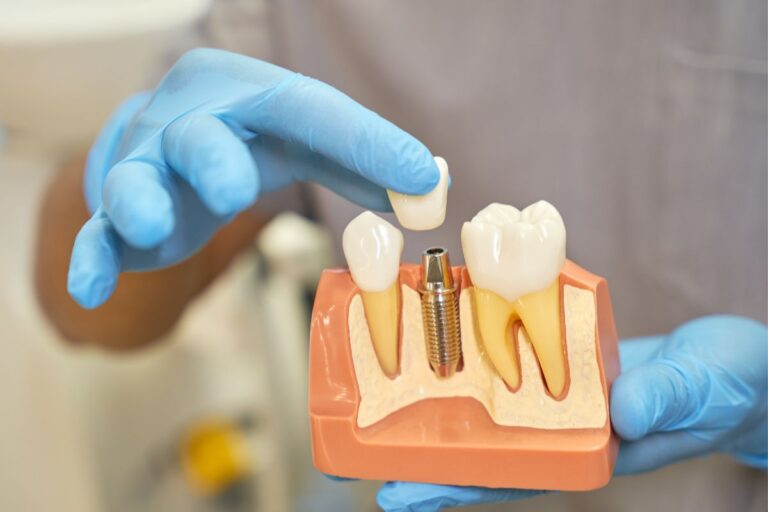
Dental implants are designed to be one of the longest-lasting solutions for replacing missing teeth, but they are not always meant to last forever. While the titanium implant placed in the jaw often lasts for decades, the crown attached to it may eventually wear out and require replacement. If you notice pain, looseness, swollen gums, or damage around your implant, scheduling an evaluation early can help prevent more serious problems. Patients considering dental implant treatment should understand these warning signs so they can protect both their oral health and their investment.
Many patients are surprised to learn that the implant and the restoration attached to it have different life expectancies. Knowing the difference makes it easier to recognize when professional care may be needed.
Understanding the Lifespan of Dental Implants
Dental implants have an excellent long term success rate. In most cases, the titanium post that replaces the tooth root can remain healthy for 20 years or longer, and many patients keep it for life. The crown placed on top of the implant experiences years of chewing, biting, and daily wear. Because of this, it may eventually need to be replaced even though the implant itself remains completely stable.
If you are interested in learning more about the longevity of dental implants, regular dental visits and good home care play a major role in helping your restoration last as long as possible.
Signs That Your Dental Implant May Need to Be Replaced
Most implant problems begin gradually. Recognizing the early warning signs can help preserve your implant before more extensive treatment becomes necessary.
Persistent Pain
Some soreness is expected immediately after implant surgery. However, discomfort that develops months or years later should never be ignored. Pain may indicate infection, excessive pressure, or bone loss around the implant. A prompt evaluation allows your dentist to determine the cause before it progresses.
A Loose Implant or Crown
A healthy implant should feel as secure as a natural tooth. Sometimes only the crown becomes loose because a connecting screw has loosened. In other situations, the implant itself may lose support because of bone loss. Both situations require professional attention, but they involve different treatments.
Swollen or Bleeding Gums
Healthy gum tissue forms a protective seal around every implant. If you notice swelling, bleeding, tenderness, or drainage around the implant, you may have peri implant disease. Treating this condition early often prevents damage to the surrounding bone.
A Damaged Crown
Although implant crowns are made from strong materials, years of daily use or accidental trauma can cause them to crack, chip, or wear down. Replacing the crown restores both appearance and function while protecting the implant underneath.
Why Dental Implants Sometimes Need Replacement
Dental implant failure is uncommon, but several factors can increase the risk.
Poor Oral Hygiene
Plaque can collect around implants just as it does around natural teeth. Without proper brushing and flossing, bacteria can lead to infection and inflammation.
Gum Disease
Healthy gums and healthy bone provide the foundation for every successful implant. Untreated gum disease can weaken this support over time.
Teeth Grinding
Grinding and clenching place repeated pressure on implant restorations. This may damage the crown or create stress on surrounding bone. Your dentist may recommend a custom night guard if grinding is affecting your bite.
Smoking
Smoking reduces blood flow to the gums, slows healing, and increases the risk of infection. Patients who stop smoking often improve the long term success of their implants.
Medical Conditions
Certain medical conditions and medications may affect bone healing or increase the risk of implant complications. Sharing your complete medical history allows your dentist to recommend the safest treatment approach.
Can an Implant Be Repaired Instead of Replaced?
Fortunately, not every implant problem requires replacing the implant itself. Depending on the situation, your dentist may recommend tightening a loose connector, replacing a worn crown, treating an infection, adjusting your bite, or performing a professional cleaning around the implant. Early treatment often allows patients to keep their original implant while restoring normal function.
What Happens If an Implant Must Be Replaced?
If the implant cannot be saved, it is carefully removed so the area can heal. Your dentist will evaluate the health of the surrounding bone before planning the next step. If bone loss has occurred, a bone graft may be recommended to rebuild the foundation before placing another implant. Once healing is complete, a new implant and custom crown can often restore both appearance and function successfully. Working with our experienced dental implant provider in Brooklyn helps ensure every stage of treatment is carefully planned for the best long-term outcome.
How to Help Your Dental Implant Last Longer
Proper care significantly increases the lifespan of implant restorations. You can protect your investment by following these recommendations:
- Brush twice each day with a soft toothbrush.
- Floss carefully around the implant every day.
- Schedule routine professional cleanings and examinations.
- Avoid chewing ice and other extremely hard objects.
- Wear a night guard if you grind your teeth.
- Avoid tobacco products whenever possible.
- Contact your dentist promptly if you notice pain, swelling, or looseness.
These simple habits greatly reduce the risk of future complications.
Why Regular Dental Visits Matter
Even when your implant feels completely normal, routine dental checkups remain essential. Your dentist can identify early signs of bone loss, gum inflammation, bite changes, or crown wear before they become larger problems. Early intervention often means simpler treatment and helps preserve your implant for many years. Patients in Brooklyn who receive regular preventive care often experience excellent long-term results from their implant restorations.
Conclusion
Dental implants remain one of the most dependable solutions for replacing missing teeth. Although the implant itself may last for decades, the crown or surrounding tissues may occasionally require treatment or replacement. Understanding the warning signs and maintaining regular dental care helps protect your smile and reduce the risk of complications. If you notice pain, swelling, looseness, or damage around an implant, seeking professional evaluation as soon as possible gives you the best chance of preserving it.
Whether you need an evaluation for an existing implant or are exploring options for replacing missing teeth, the team at Metropolitan Dental Arts is here to help. If you are looking for a trusted dental implant provider, you can receive personalized care and guidance based on your individual oral health needs. Patients seeking dental implant treatment in Brooklyn can also benefit from a comprehensive evaluation and a treatment plan designed for long-term success.