
Losing a tooth because of an accident or sports injury can be stressful, but you do have reliable options for replacing it. Dental implants can replace a missing tooth from the root up, helping restore chewing ability, appearance, and support for the surrounding teeth. At Metropolitan Dental Arts in Brooklyn, a dental evaluation can determine whether an implant is appropriate based on your jawbone, gums, and overall oral health.
What Happens After a Tooth Is Lost to an Injury?
A traumatic injury can completely knock out a tooth or damage it beyond repair. Even when the visible tooth is gone, the surrounding gum tissue and jawbone still need to be evaluated. If the tooth cannot be saved, replacing it sooner rather than later may help prevent additional oral health concerns. When a tooth is missing, the bone that once supported its root may gradually lose volume. Nearby teeth can also shift into the open space, which may affect your bite.
Your dentist may use dental X-rays and digital imaging to assess the area and determine which replacement option fits your situation. If you are looking for the best implant treatment in Brooklyn, it is important to focus on factors beyond the replacement tooth itself. Your treatment should account for the condition of your jawbone, gums, bite, overall oral health, and the location of the missing tooth.
Why Consider Dental Implants After an Injury?
A single implant can be an effective way to replace one missing tooth. Unlike a traditional bridge, an implant does not require neighboring teeth to serve as supports.
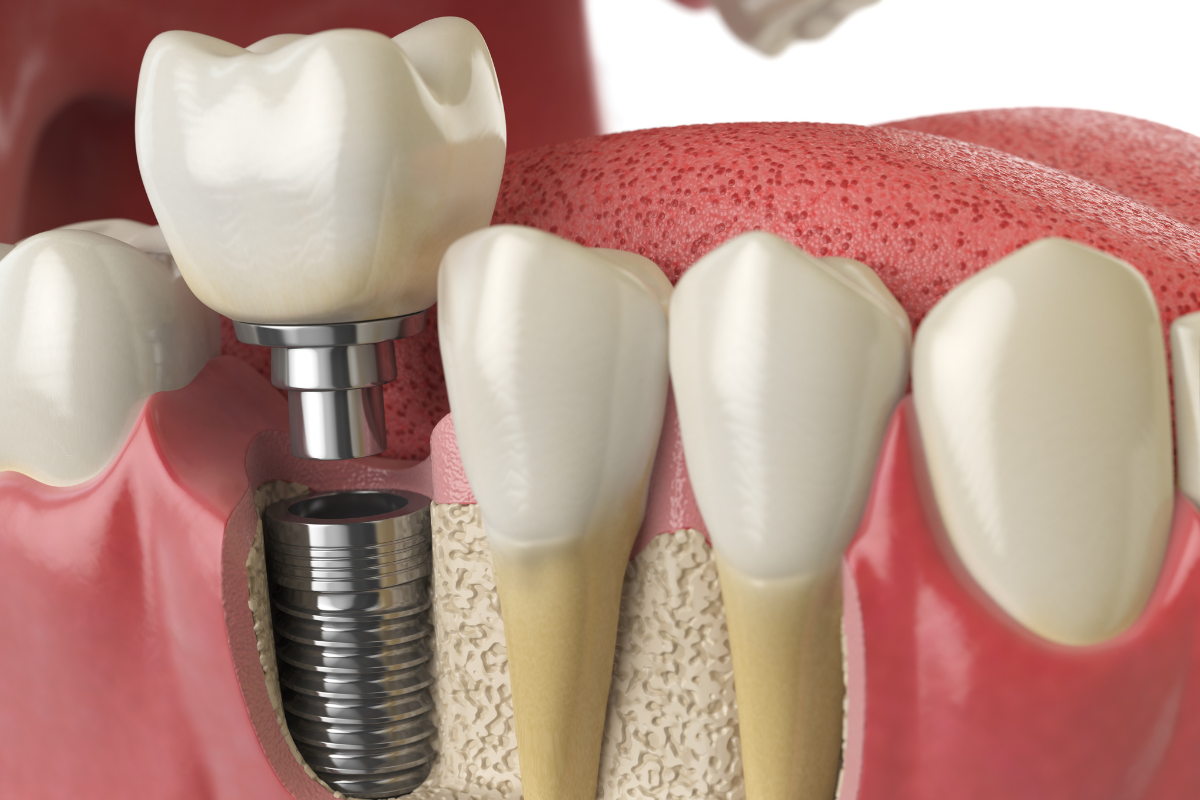
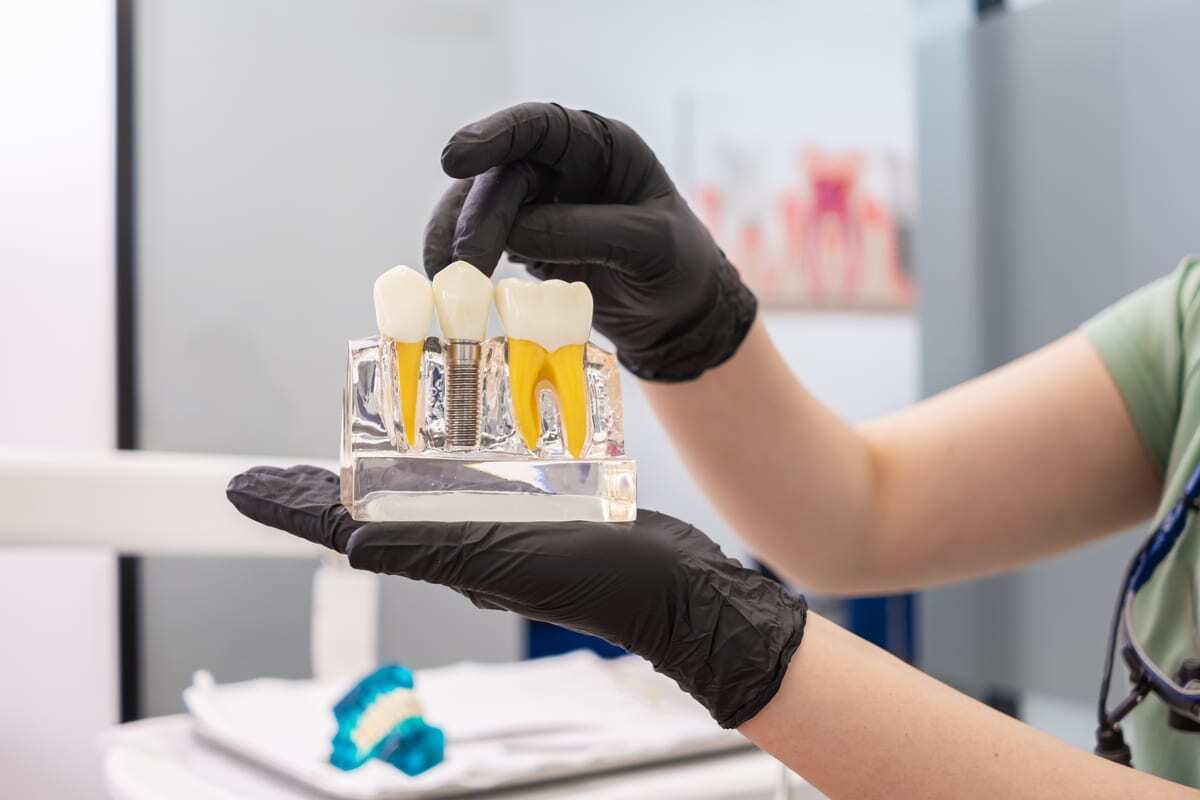
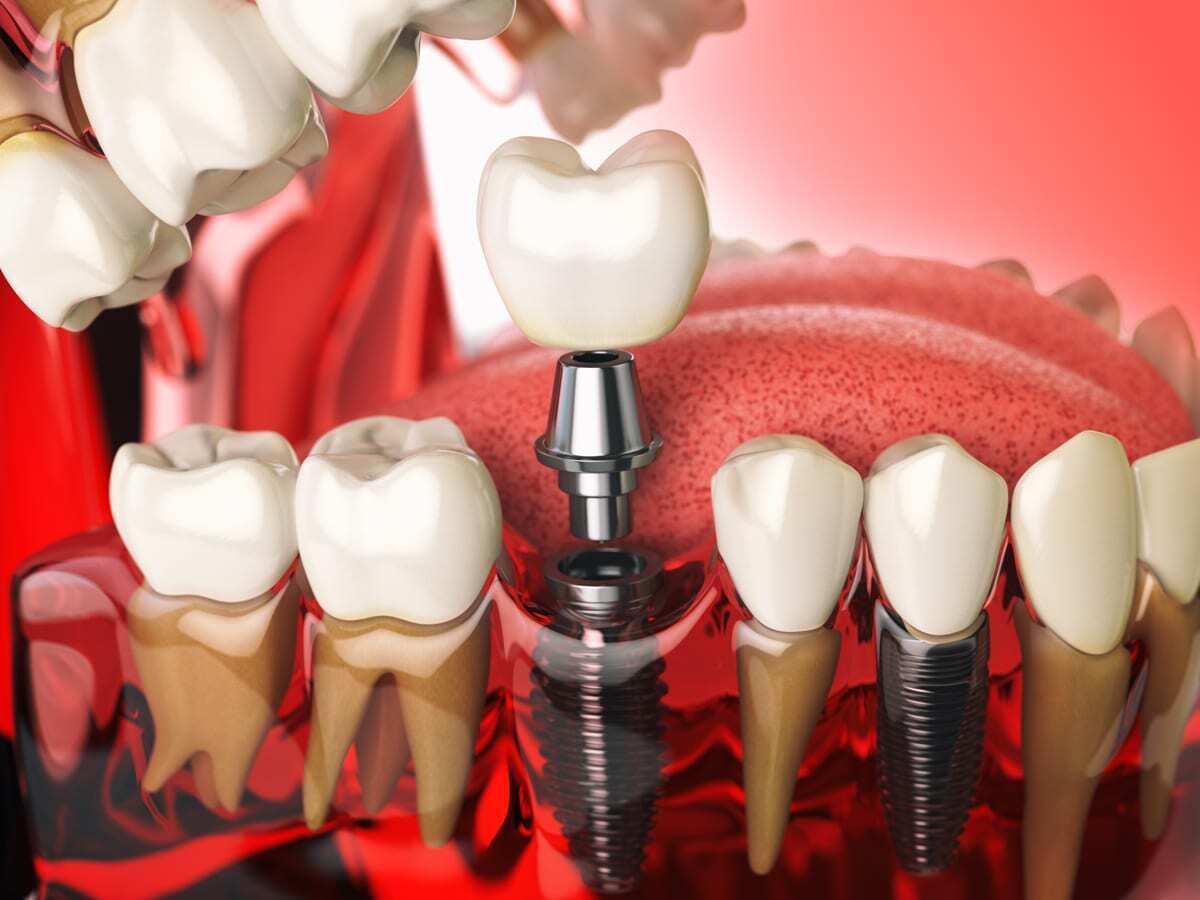
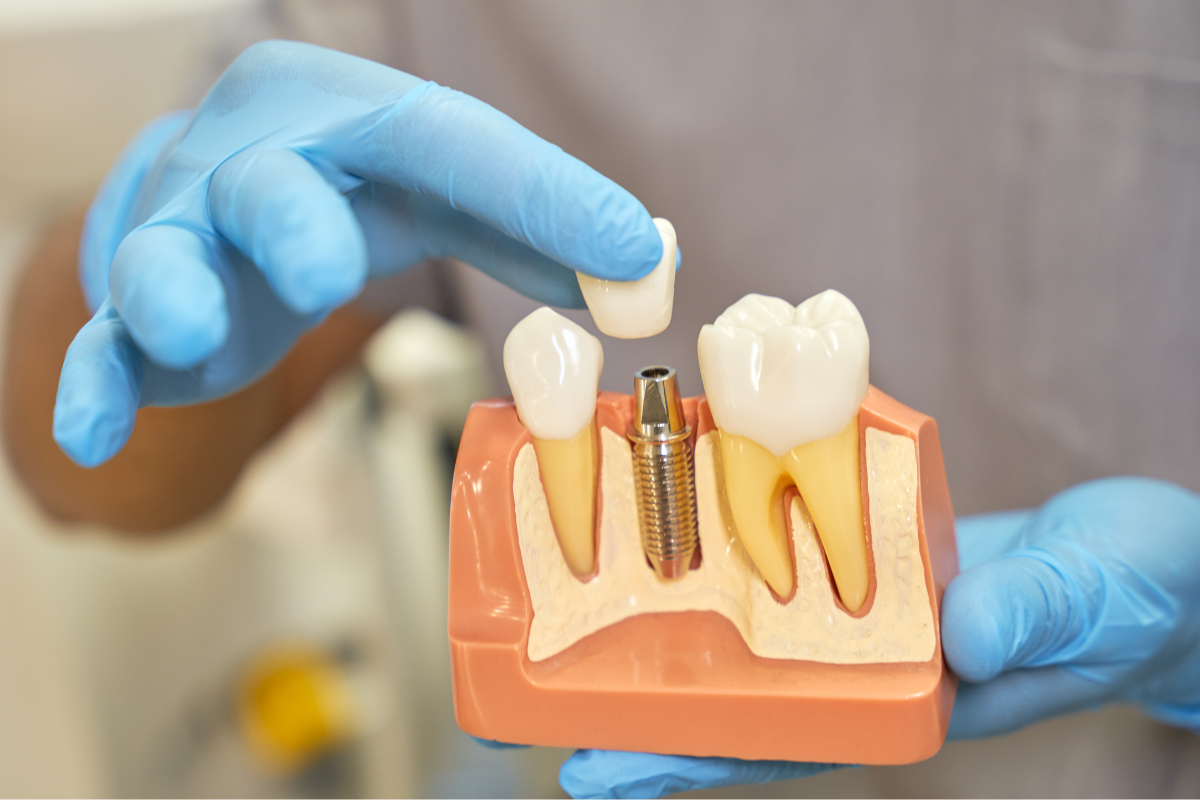
The treatment generally involves three main components:
- Implant post: A small post is placed in the jawbone to act as an artificial tooth root.
- Abutment: This connector attaches the replacement tooth to the implant.
- Dental crown: The custom-made crown sits above the gum and is designed to look and function like a natural tooth.
The implant post needs time to integrate with the surrounding bone before the final restoration is placed. Metropolitan Dental Arts notes that the overall process commonly takes about three to six months, although individual timelines can vary.
Do You Have Enough Bone for an Implant?
An injury may affect more than the tooth itself. In some cases, trauma can cause damage or bone loss around the missing tooth. Adequate jawbone support is important for successful implant placement. If there is not enough bone, a dentist may recommend bone grafting before or during implant treatment. A thorough examination helps determine whether additional procedures are necessary.
Healthy gums are also important. Existing gum disease may need to be addressed before implant placement to create a healthier foundation for restoration.
How Long Can a Dental Implant Last?
With proper care and regular dental visits, an implant can provide a long-term tooth replacement solution. The implant post itself can potentially last for many years, while the crown may eventually need replacement because of normal wear. Daily brushing, flossing around the restoration, professional cleanings, and routine examinations can help protect your investment.
Conclusion
Losing a tooth to an injury does not mean you have to live with a permanent gap or changes to your bite. A dental implant can replace the missing tooth while also providing support from within the jaw. However, the right treatment depends on factors such as bone availability, gum health, the condition of nearby teeth, and your individual dental needs. A professional examination is the best way to understand whether implant replacement is appropriate for you.
If you have lost a tooth because of an injury, schedule an appointment with Metropolitan Dental Arts to have the area evaluated and discuss whether an implant could be a suitable replacement.
FAQs
1. Can I get a dental implant after losing a tooth from an injury?
Yes. Dental implants can replace a tooth lost because of an accident or injury. Your dentist will first evaluate your jawbone, gums, and surrounding teeth to determine whether an implant is appropriate.
2. How soon after a tooth injury can I get a dental implant?
The timing depends on the extent of the injury and the condition of the extraction site. Some patients may be candidates for early implant placement, while others may need time for the gums or bone to heal first.
3. What if I have bone loss after losing a tooth?
Bone loss does not always prevent implant treatment. Your dentist may recommend a bone graft to rebuild the area and provide adequate support for the implant.
4. Are dental implants better than a bridge after an injury?
Both can replace a missing tooth, but they work differently. An implant replaces the tooth root and generally does not require neighboring teeth to be altered, while a traditional bridge relies on adjacent teeth for support.
5. How long does dental implant treatment take?
Treatment time varies depending on your oral health and whether additional procedures are needed. The implant must usually heal and integrate with the jawbone before the permanent crown is attached.