Gum Recession Treatment That Protects Your Teeth and Your Smile
Gum recession is more common than most people realize, and it rarely announces itself with pain. Over time, gum tissue slowly pulls back from the teeth, exposing sensitive root surfaces that were never meant to be uncovered. Without treatment, receding gums can lead to tooth sensitivity, root decay, bone loss, and, in advanced cases, loose or lost teeth.
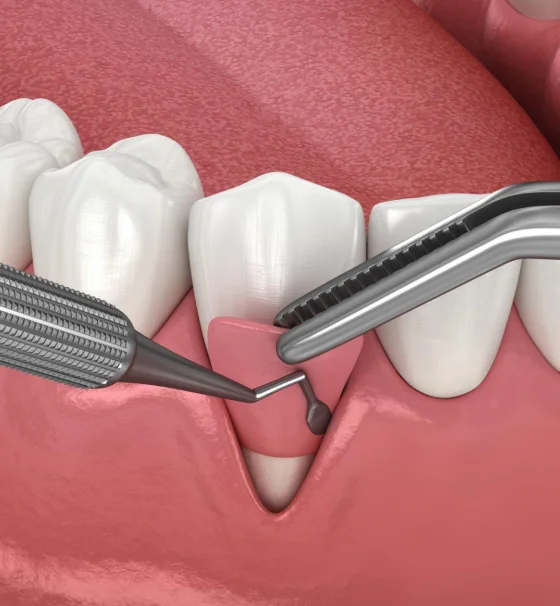
Gum grafting is a proven periodontal procedure that treats recession at the source. During treatment, healthy tissue is placed over the exposed area to cover the root, thicken thin gums, and create a stronger barrier against bacteria and wear. Our multi-specialty Brooklyn practice can also address underlying causes, such as gum disease, bite problems, or crooked teeth, helping support lasting results and a healthier, more balanced smile.
Schedule a Gum Grafting ConsultationWhy Patients Choose Gum Grafting for Receding Gums
Gum grafting does more than improve how your teeth look. It protects the foundation of your oral health. Here is what patients can gain from treatment:
- Covers exposed tooth roots. Root surfaces are softer than enamel and far more prone to decay. A graft restores a protective layer of gum tissue.
- Reduces tooth sensitivity. Many patients notice less discomfort with hot, cold, sweet, or acidic foods once the roots are covered.
- Stops recession from progressing. Thicker, healthier tissue is better able to resist further gum loss.
- Improves gumline symmetry. Uneven or “long-looking” teeth can be evened out for a more harmonious smile.
- Supports long-term tooth retention. Protecting the gums and underlying bone helps your natural teeth stay stable for years to come.
- Prepares the mouth for other treatment. Healthy gum tissue can improve outcomes for restorations, aligners, and implants.
Signs Your Gums May Be Receding and Who Can Benefit from a Gum Graft
Many people live with gum recession for years before noticing it. Gum grafting may be worth discussing if you have:
- Teeth that look longer than they used to
- Visible roots or a yellowish band near the gumline
- Sensitivity to temperature, sweets, or brushing
- A notch or groove you can feel at the base of a tooth
- Thin, uneven, or pulled-back gum tissue
- Gums that bleed easily or look red and swollen
Common causes of receding gums include gum disease, brushing too hard, genetics and naturally thin gum tissue, teeth grinding or clenching, bite or alignment problems, tobacco use, and lip or tongue piercings. Good candidates are patients with active recession who have gum disease under control and are willing to follow aftercare instructions. If gum disease is present, it is treated first. Only an in-person exam can confirm whether a graft is the right step, or whether monitoring and other care make more sense.
What Happens from Your First Gum Evaluation to a Fully Healed Gumline
Knowing what to expect makes any procedure less stressful. Gum graft surgery is planned carefully and performed with your comfort in mind. Here is how treatment typically unfolds.
01. Comprehensive gum evaluation
We measure gum levels, check for gum disease, review your bite, and take digital X-rays when needed. The goal is to find out how much tissue has been lost and why.
02. A clear treatment plan
Our doctors explain the type of graft that suits your mouth, how many teeth need treatment, and what the cost will be, all before you commit to anything.
03. Treating underlying causes first
If gum disease, grinding, or alignment problems are driving the recession, we address them so the new tissue is not put at risk.
04. Numbing and comfort
The treatment area is numbed with local anesthesia. For patients who feel anxious, sedation dentistry options may be available.
05. Graft placement
Healthy tissue is carefully positioned over the exposed root and secured so it can bond with the surrounding gum.
06. Healing and follow-up
You will receive detailed aftercare instructions and follow-up visits so we can monitor healing and confirm the graft is taking.
Gum Graft Techniques Used to Treat Gum Recession
Not every case of recession calls for the same approach. Depending on the location and severity, treatment may involve:
- Connective tissue grafts, which use tissue from beneath a thin flap on the roof of the mouth to cover exposed roots. This is one of the most widely used techniques.
- Free gingival grafts, which use a small piece of tissue from the surface of the palate to add thickness where gums are thin.
- Pedicle (lateral) grafts, which shift nearby gum tissue over the exposed root when there is enough healthy tissue next to the affected tooth.
Our doctors will recommend the technique that fits your anatomy and goals, and will explain what to expect from each step.
Gum Grafting Cost, Dental Insurance, and Financing Options
The cost of gum graft surgery depends on the technique, how many teeth need treatment, and whether gum disease care is needed first. After your exam, we provide a clear treatment plan with costs explained up front.
- Dental insurance: Many plans cover part of the cost when grafting is medically necessary. Our team can help check your benefits
- Financing: Flexible payment options are available. Visit our Financing & Insurance page to learn more.
- No insurance: Our Membership Plan includes two cleanings, two exams, X-rays, and 20% off other treatments (excluding specialty treatments).
Ready to Stop Gum Recession in Its Tracks?
The sooner receding gums are treated, the more of your natural tooth and bone you can protect. Meet with our team to find out whether gum grafting is right for you and what a personalized plan would look like. Call 718-302-0380 or book your visit online.
Book Your Gum EvaluationFrequently Asked Questions About Gum Grafting
Gum grafting is a periodontal procedure that treats receding gums. Healthy gum tissue is placed over exposed tooth roots to protect them, reduce sensitivity, and strengthen thin gums.
The treated area is numbed with local anesthesia, so you should not feel pain during the procedure. Some soreness and swelling are normal afterward and can usually be managed with the aftercare instructions your doctor provides.
Initial healing usually takes a couple of weeks, though complete tissue maturation takes longer. Most patients return to normal routines fairly quickly while following a soft-food diet and brushing precautions. Your doctor will give you a timeline based on your specific treatment.
No. Once gum tissue has receded, it does not regenerate naturally. Treatment such as gum grafting, along with addressing the cause, is how lost coverage is restored.
Common causes include gum disease, aggressive brushing, genetics, teeth grinding, misaligned teeth, tobacco use, and oral piercings. Often more than one factor is involved.
Coverage depends on your plan and whether the procedure is considered medically necessary. Our team can review your benefits and explain your estimated out-of-pocket cost before treatment begins.
Not always. Mild recession can sometimes be monitored with gentler brushing and regular checkups. An exam will show whether treatment is needed now or can wait.
Gum disease generally needs to be under control before a graft is placed. We can treat the infection first with our gum disease treatment and then discuss grafting once your gums are healthy.