Addressing Impacted and Problematic Wisdom Teeth
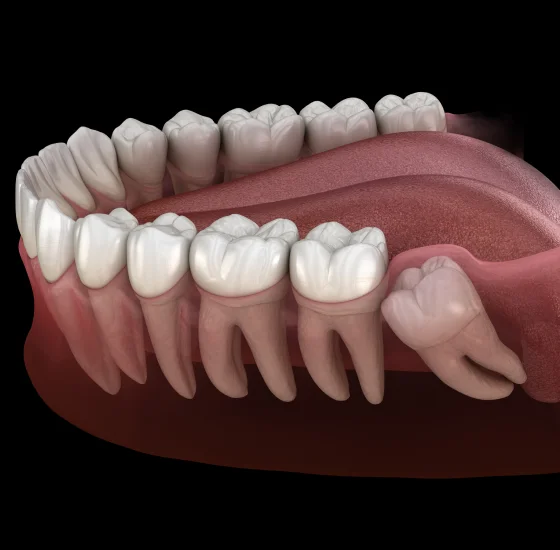
Wisdom teeth typically make their appearance between the ages of seventeen and twenty-five, and for a lot of patients, there simply isn’t enough room in the jaw to fit them. When that happens, they can come in at an angle, get trapped beneath the gum, or push against the tooth next to them, a situation known as impaction.
At Metropolitan Dental Arts, our in-house oral surgeon evaluates wisdom teeth during a consultation and removes them when they’re impacted, misaligned, or likely to cause problems down the road. Patients from Williamsburg, Bushwick and across Brooklyn come to us for this procedure specifically because it’s handled surgically in-house, rather than requiring a separate referral.
Schedule a Wisdom Teeth EvaluationWhat Can Happen If Impacted Wisdom Teeth Are Left Alone
Impacted wisdom teeth don’t always cause immediate symptoms, but left untreated, they can lead to a handful of problems over time. Chronic jaw pain and gum inflammation are among the most common early signs that something is wrong. Because a partially erupted wisdom tooth is hard to clean properly, it’s also prone to infection and can contribute to crowding or misalignment in the surrounding teeth.
In some cases, a cyst can form around an impacted tooth, which is a more serious complication if it goes unaddressed for too long. Removing a problematic wisdom tooth before these issues develop is often simpler than treating them after the fact.
Sedation Options for Wisdom Teeth Removal
Wisdom tooth extraction tends to involve more than a routine extraction, often including bone trimming and stitches, which is why sedation is such a common request for this particular procedure.
- Nitrous oxide, a light form of sedation also known as laughing gas
- Oral sedation, for a deeper level of relaxation taken in pill form
- IV sedation, for more complex impactions or removing multiple teeth in one visit
Our team at Metropolitan Dental Arts can help you decide which option fits your anxiety level, your health history, and the complexity of your case.
Planning and Completing Your Wisdom Teeth Removal
The exact steps can vary depending on how impacted your wisdom teeth are, but here’s a general sense of what the appointment looks like at Metropolitan Dental Arts.
01. Evaluation and Imaging
The oral surgeon reviews X-rays to see the exact position of your wisdom teeth and determine the level of impaction before recommending a treatment plan.
02. Choosing a Sedation Option
Based on your anxiety level and the complexity of the extraction, you and your doctor decide on the right sedation approach for your procedure.
03. Removing the Tooth
The oral surgeon carefully removes the wisdom tooth, which may involve gently sectioning it if it’s impacted or angled in a way that makes removal in one piece difficult.
04. Closing the Site
Stitches are placed as needed to support healing of the gum tissue around the extraction site.
05. Recovery Instructions
Before you leave, you’ll receive specific guidance on managing swelling, diet, and rest over the following days.
Recovering from Wisdom Teeth Removal
It’s common to feel a bit dizzy for a few hours after sedation wears off, so plan to rest and avoid driving yourself home that day. Jaw soreness and swelling are normal for the first couple of days, and cold compresses can help keep swelling manageable. Sticking to softer foods and avoiding anything crunchy or spicy gives the extraction site time to heal without irritation.
Gentle rinsing, rather than vigorous swishing, also helps protect the healing tissue in the days following surgery. Most patients feel back to normal within a week, though our team at Metropolitan Dental Arts will let you know what to expect specifically based on how your procedure went.
When Should Wisdom Teeth Be Evaluated?
Not every wisdom tooth needs to be removed, but an evaluation can help identify potential concerns before they become painful or more complicated. Many patients benefit from having their wisdom teeth checked during the late teen years or early adulthood, when the teeth are easier to assess, and treatment planning can be more predictable.
A consultation at Metropolitan Dental Arts includes an examination and imaging to determine whether your wisdom teeth are developing normally or creating risks for nearby teeth and gums. If removal is recommended, our oral surgeon will explain why it is needed and what you can expect from the procedure.
Take Care of Your Wisdom Teeth Before They Become a Problem
If your wisdom teeth are causing pain or you’ve been told they need to come out, our in-house oral surgeon can help. Book online or call the Metropolitan Dental Arts office in Brooklyn to schedule an evaluation.
Book OnlineFrequently Asked Questions About Wisdom Teeth Removal
Wisdom teeth typically come in between the ages of seventeen and twenty-five. Many patients at Metropolitan Dental Arts have theirs evaluated and removed during this window, before impaction has a chance to cause bigger problems.
Common signs include pain or swelling near the back of your jaw, difficulty opening your mouth fully, or noticing your other teeth shifting or becoming crowded. An X-ray at our Williamsburg office can confirm whether impaction is present.
Not necessarily, but many patients choose it. Options range from nitrous oxide to IV sedation, and our team can help you decide what makes sense based on your anxiety level and how complex your extraction is.
Most patients feel noticeably better within a few days and largely back to normal within a week. Our Brooklyn team provides specific aftercare instructions based on your procedure to help recovery go smoothly.
Yes. Many patients at Metropolitan Dental Arts have all four wisdom teeth removed in a single visit, particularly when sedation is used, since it allows for a more complex procedure to be completed comfortably in one appointment.
Impacted wisdom teeth can lead to chronic jaw pain, gum infection, crowding of nearby teeth, and in some cases, cysts. Addressing them early is often simpler than treating these complications later.
If you choose sedation, yes, you’ll need a ride home and should plan to rest for the remainder of the day. Our team will go over these details with you ahead of your appointment.
Many dental insurance plans cover wisdom teeth removal, particularly when it’s medically necessary. Our team at Metropolitan Dental Arts can help verify your specific benefits before your procedure.