Small Changes That Can Refresh Your Smile
A chipped edge, a small gap, or an uneven tooth can affect how a smile looks without requiring extensive treatment. At Metropolitan Dental Arts, dental bonding uses tooth-colored composite resin to refine the shape, shade, or surface of a tooth while preserving natural enamel.
Dental bonding is a popular cosmetic dentistry option for patients in Williamsburg, Greenpoint, Bushwick, and throughout Brooklyn who want a conservative way to address minor smile concerns. The resin is color-matched and sculpted directly on the tooth, then hardened with a curing light for a smooth, natural-looking result.
Schedule a Bonding ConsultationWhat Is Dental Bonding?
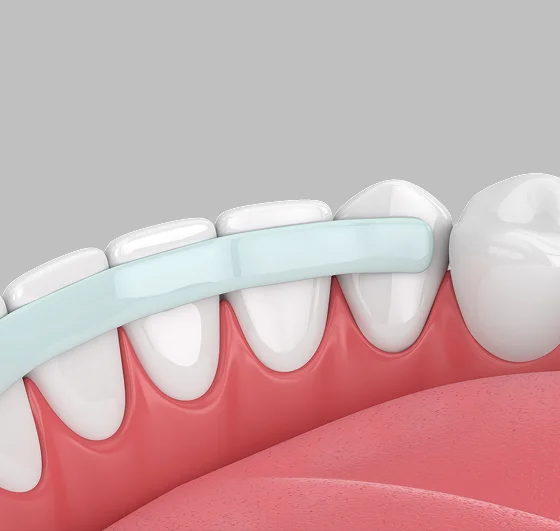
Dental bonding is a cosmetic treatment that applies composite resin directly to the surface of a tooth. The material begins as a moldable resin, allowing the doctor to shape it around a chip, gap, worn edge, or other minor imperfection. A curing light hardens the resin, and the finished surface is polished to blend with the surrounding enamel.
Because the resin is applied directly to the tooth, bonding often requires little to no removal of natural tooth structure. It can be an effective option for making focused cosmetic improvements without changing the appearance of the entire smile.
What Can Dental Bonding Address?
Dental bonding may be used to improve the appearance of:
- Chipped or cracked tooth edges
- Small gaps between teeth
- Teeth that look short, uneven, or slightly misshapen
- Minor discoloration that does not respond to whitening
- Worn edges caused by daily use
- Small areas of exposed root surface caused by gum recession
During a consultation, the Metropolitan Dental Arts team will examine the tooth, discuss your goals, and determine whether dental bonding fits the condition of your smile.
How Dental Bonding Comes Together
Dental bonding is usually completed in one appointment. The steps may vary based on the number of teeth being treated and the type of improvement needed.
01. Smile Evaluation and Shade Matching
Our cosmetic dentist evaluates the tooth and selects a composite resin shade that blends with the surrounding enamel. This step helps create a result that looks consistent with the rest of the smile.
02. Preparing the Tooth Surface
The tooth is gently cleaned and prepared so the resin can bond securely. In many cosmetic bonding cases, anesthesia is not necessary. If the tooth has decay, damage, or sensitivity, local anesthetic may be used to keep treatment comfortable.
03. Applying and Sculpting the Resin
The composite resin is placed in small layers and shaped directly on the tooth. The dentist carefully refines the contours to create a balanced size, edge, and surface.
04. Hardening the Material
A curing light hardens each layer of resin in seconds. This gives the bonded tooth a durable surface that is ready for normal use.
05. Polishing and Bite Check
The final surface is polished, and we check how your teeth come together when you bite. Any needed adjustments are made before the appointment ends.
Caring for Your Bonded Teeth
Bonded teeth can be brushed and flossed as usual. Although composite resin is durable, it can chip or stain over time, particularly when used to bite hard objects or when exposed often to coffee, tea, red wine, or tobacco.
To help maintain dental bonding:
- Brush twice a day with a non-abrasive toothpaste
- Floss daily around bonded teeth
- Avoid biting ice, pens, fingernails, or hard candy
- Wear a nightguard if you clench or grind your teeth
- Schedule routine cleanings and exams at Metropolitan Dental Arts
- Ask about polishing or touch-ups if the resin begins to look dull or stained
When Dental Bonding May Be Recommended
Dental bonding is generally suited to small cosmetic changes where the tooth is healthy enough to be conservatively restored. It can be used on one tooth that needs attention or across several teeth to create a more uniform smile.
For patients with more extensive damage, heavy bite pressure, or larger cosmetic goals, the dentist may recommend a different restorative or cosmetic treatment. A personalized evaluation helps identify the approach that supports both appearance and long-term tooth function.
Refresh Your Smile With Dental Bonding
A small cosmetic concern does not have to become a lasting distraction. Schedule a dental bonding consultation at Metropolitan Dental Arts in Brooklyn to discuss a natural-looking way to refine your smile.
Book OnlineFrequently Asked Questions About Dental Bonding
Dental bonding commonly lasts several years, depending on where it is placed, daily bite pressure, oral hygiene, and habits such as teeth grinding. Routine dental visits allow the Metropolitan Dental Arts team in Brooklyn to check the bonded area and recommend touch-ups when needed.
Dental bonding is usually comfortable. For minor cosmetic changes, treatment often does not require drilling or anesthesia. If bonding is used to repair decay or a damaged tooth, local anesthetic may be used.
Yes. Dental bonding can often restore a small chip by adding composite resin to the damaged area and reshaping the tooth edge. The resin is color-matched to blend with the surrounding enamel.
Dental bonding may close small gaps between teeth by adding composite resin to one or both teeth. A consultation at Metropolitan Dental Arts can determine whether bonding is appropriate for the size and location of the gap.
Yes. The composite resin is selected to match the shade of your natural tooth enamel. It is shaped and polished to create a smooth, natural-looking finish.
Composite resin can stain over time, especially with frequent coffee, tea, red wine, or tobacco use. Patients in Williamsburg, Greenpoint, Bushwick, and across Brooklyn can ask about polishing or touch-up options if bonded teeth begin to look discolored.
In many cases, yes. A small chip in dental bonding can often be repaired by adding and reshaping new composite resin. The doctor will assess the bonded tooth to determine the appropriate treatment.
Insurance coverage depends on why the bonding is needed. Bonding performed for cosmetic reasons may not be covered, while treatment used to repair a damaged tooth or cavity may receive partial coverage. Metropolitan Dental Arts can help review your benefits before treatment.