
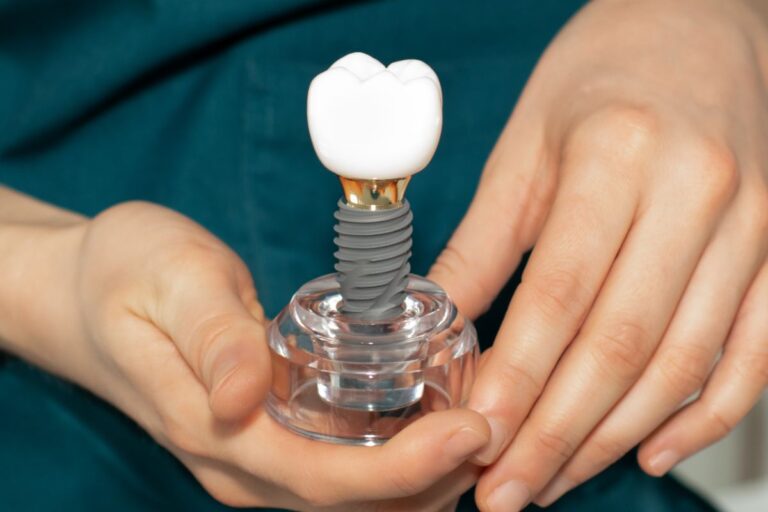
Replacing lost teeth is a major step toward restoring comfort, confidence, and function. Many patients choosing dental implants often ask the same important question: How long will they really last? The answer depends on more than the procedure itself. Daily habits, health factors, and long-term maintenance all play a role in determining how durable your new tooth replacement will be.
Living in a fast-paced borough with busy sidewalks, summer street fairs, and seasonal food spots makes chewing and speaking even more valuable. With the right care, modern tooth replacement systems can remain strong and functional for decades.
What Affects The Longevity Of Your Implanted Teeth?
The longevity of your restored teeth depends on various factors, both medical and lifestyle-related. Here’s what plays a part in how long they last:
- Bone Health: For the implant to stay stable, it must fuse to healthy jawbone tissue. Conditions like osteoporosis can affect this process.
- Daily Oral Hygiene: Regular brushing and flossing are essential to maintain the integrity of your dental work.
- Lifestyle Choices: Smoking, heavy alcohol consumption, and high sugar intake can all affect the success of your treatment over time.
Ensuring that your lifestyle supports the longevity of your treatment is the first step. Fortunately, there are some simple ways to improve your odds of long-term success.
Signs Your Implant May Need Professional Attention
Though prosthetic teeth are built to last, issues can arise. Here are some signs that your restored teeth may need attention:
- Pain or Discomfort: If you experience pain or discomfort around the surgical area, it could be a sign of infection or failure.
- Loosening or Movement: If they feel loose or move when you chew, it may not be properly integrated with the jawbone.
- Swelling or Bleeding: If you notice swelling, redness, or bleeding around the treated site, consult your dentist immediately.
If you notice any of these signs, it’s important to visit our dental office as soon as possible. Early intervention can help prevent more serious complications.
The Importance Of Daily Care For Your Artificial Tooth Roots
Brushing, flossing, and using mouthwash are crucial for maintaining the health of your implanted teeth. While your prosthesis can’t decay, the gums and bone around it can. Keeping these areas clean prevents infection and promotes better overall health.
Here’s how to protect your restored teeth with daily care:
- Brush gently with a soft-bristled toothbrush to avoid irritating the gums around your new tooth.
- Floss regularly using specialized tools designed for implants.
- Use a mouthwash that helps protect against plaque buildup.
Following these steps helps prevent inflammation around the replacement area. Moreover, dental implants can improve your quality of life when they remain healthy and secure through proper care.
Professional Monitoring: Why It’s Crucial For Your Implants?
Even with excellent home care, professional monitoring is vital. Visit a local dental office regularly for check-ups, so a dentist can evaluate the health of your restored teeth and surrounding gums. Regular visits allow your dentist to catch any potential issues before they become serious.
During these check-ups, professionals will:
- Examine the gums and bone around the implant for signs of infection.
- Check that the restored teeth are securely in place.
- Perform any necessary adjustments to ensure your dental work remains functional.
Patients receiving implant treatment in Brooklyn often benefit from consistent monitoring because early changes can be corrected before complications develop. This preventive approach increases long-term stability.
Can Lifestyle Factors Impact The Lifespan Of Your Implants?
Living in Brooklyn, where there’s always something to do, whether it’s enjoying the parks, hopping around local cafés, or exploring community events, it’s important to know how your activities can affect your dental work. Here’s what to consider:
- Avoiding Hard Foods: While you can generally enjoy the same foods you did before getting implants, avoid biting into very hard items. This will put pressure on the implants.
- Protecting Your Implants in Sports: If you participate in contact sports, wearing a mouthguard is essential to protect your implants from damage.
- Managing Stress: Grinding your teeth during stress can impact the longevity of your restored teeth. Using a night guard can reduce wear on your teeth and implants.
By adjusting a few lifestyle habits, you can further extend the lifespan of your dental work and enjoy your active lifestyle without worrying about damage.
What To Do If You Notice Problems With Artificial Tooth Roots?
If you notice anything unusual with your implants, such as gum discomfort or a change in the dental post’s fit, it’s important to act quickly. Early intervention can prevent complications and save time, money, and discomfort.
Here’s what to do if you experience:
- Gum swelling or bleeding: This could indicate infection or irritation around the new tooth.
- Loosening implant: A rare issue, but if it happens, it should be addressed immediately.
- Pain or discomfort: Especially if it doesn’t subside, consult your dentist right away.
A local dentist will evaluate your treatment to determine the best course of action. The sooner you address any concerns, the better the chance of preserving the health of your prosthetic teeth.
Your Smile Is In Safe Hands With Us
Investing in dental implants in Brooklyn can change your life, and with the right care, they can provide you with a smile that lasts for decades. At our dental office, Metropolitan Dental Arts, we understand the importance of a confident, functional smile and are committed to helping you achieve just that. With our guidance and personalized care, you can be assured that your prosthetic teeth will remain healthy and comfortable for a lifetime. Schedule your consultation today and let us help you achieve a fuller, healthy and restored smile for a lifetime.