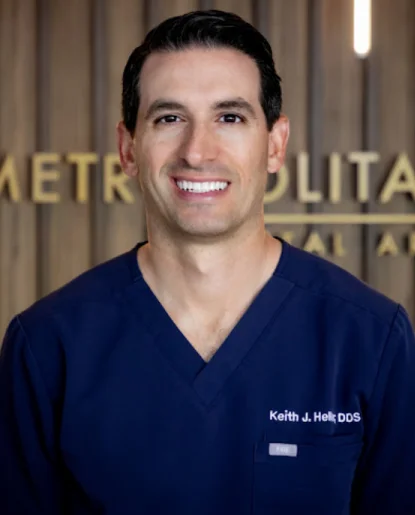

Losing a tooth can feel overwhelming. But understanding your dental implant journey; what happens every step of the way in Brooklyn makes the process far less intimidating. At Metropolitan Dental Arts, Dr. Keith J. Heller guides patients through each phase with clarity and care. From your first consultation to your final crown, you’ll always know exactly what to expect.
Dental implants are one of the most effective long-term solutions for missing teeth. They look natural, function like real teeth, and protect your jawbone. Many Brooklyn patients feel nervous before starting and that’s completely understandable. This guide breaks the process down so you can move forward with confidence.
Step One: Your Dental Implant Consultation in Brooklyn
Your journey begins with a thorough consultation. Dr. Heller will review your full dental and medical history during this visit. He’ll ask about any health conditions that could affect healing, such as diabetes or bone loss. Next comes a comprehensive oral exam. Dr. Heller uses digital X-rays and 3D imaging to evaluate your jawbone density. This step is critical; implants require a strong foundation of bone to succeed long-term.
Before leaving, you’ll receive a customized treatment plan. This plan outlines each phase, estimated timelines, and what to expect at every appointment. Transparency is a core value at Metropolitan Dental Arts.
Step Two: Preparing Your Mouth for the Implant
Some patients need preparatory work before placing the implant. This phase addresses any existing dental problems that could compromise your results.
Common preparatory procedures include:
- Tooth extractions if the damaged tooth is still present
- Treatment for gum disease to ensure healthy tissue
- Bone grafting if your jawbone lacks sufficient density
- Sinus lifts for upper jaw implants near the sinus cavity
Bone grafting sounds intimidating, but it’s a routine procedure. Dr. Heller uses bone material to build up the jaw where needed. Your body gradually integrates this material over several months.
Not every patient needs preparatory work. Many Brooklyn patients move directly from consultation to implant placement in Brooklyn. Dr. Heller will only recommend additional steps when they are truly necessary for your health and long-term success.
Step Three: Implant Placement Surgery and What to Expect
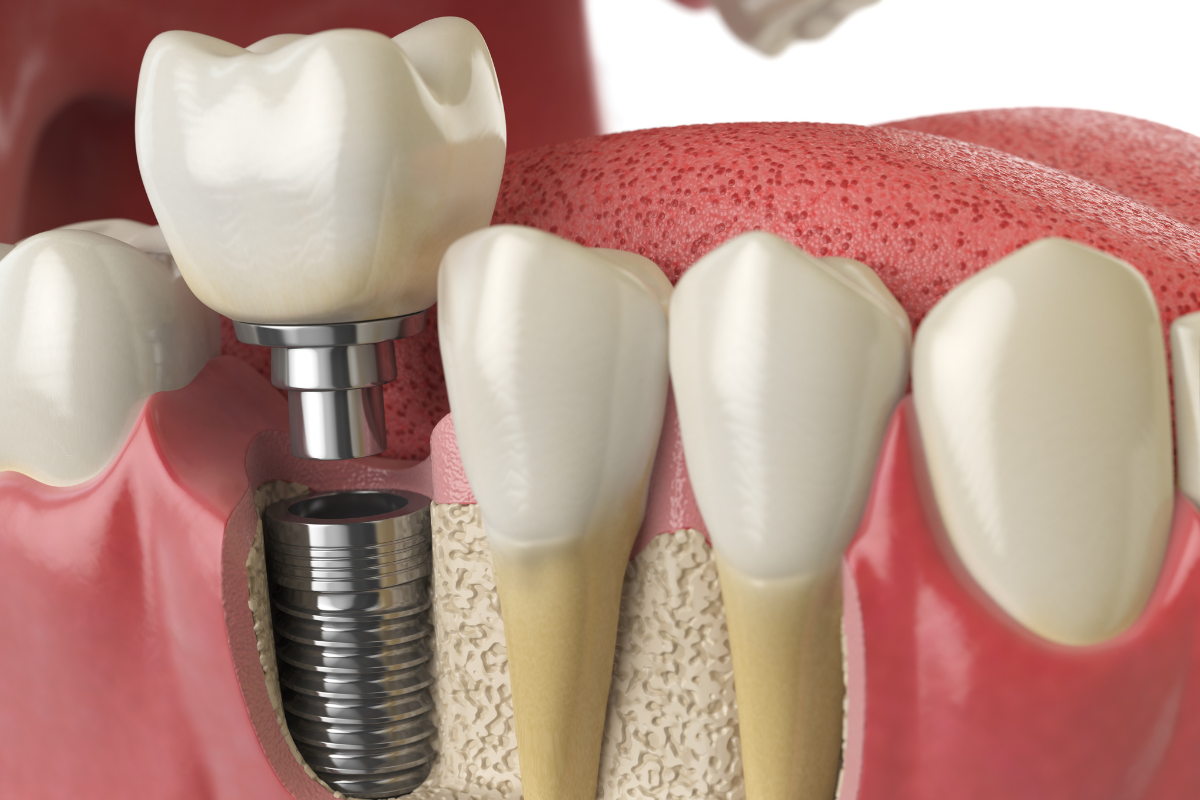
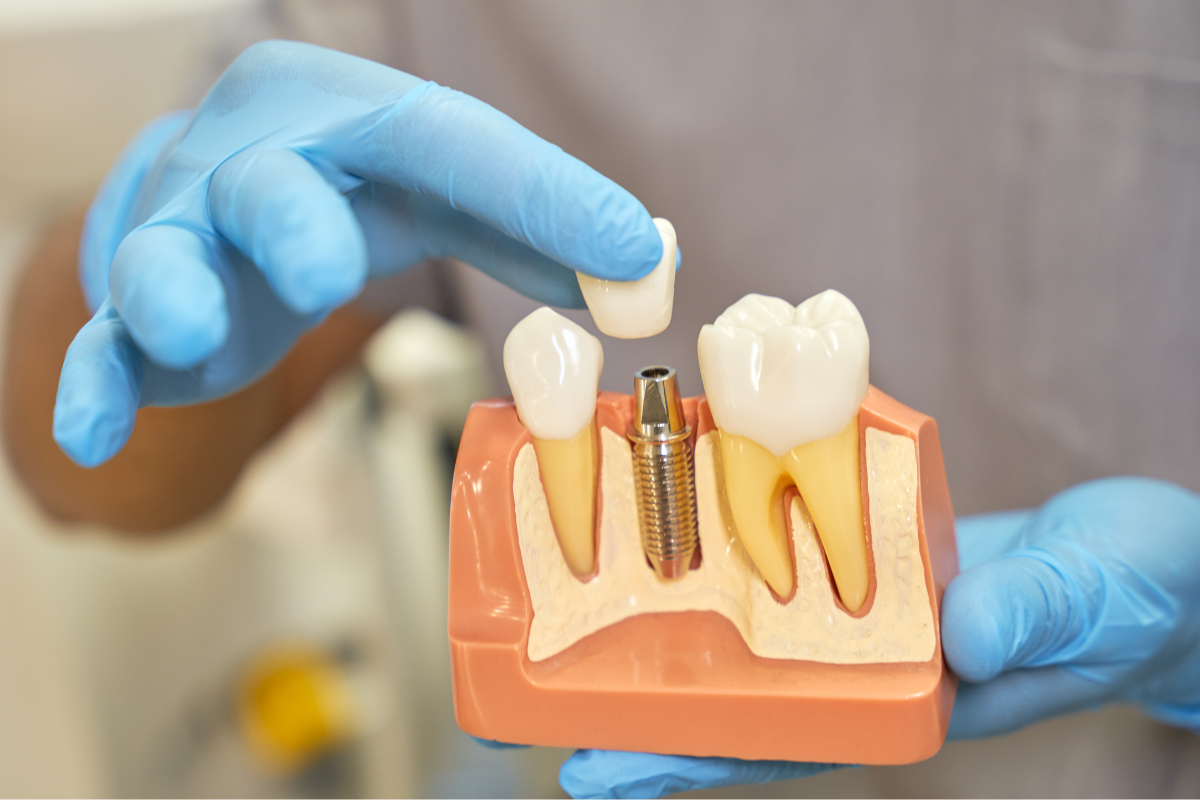
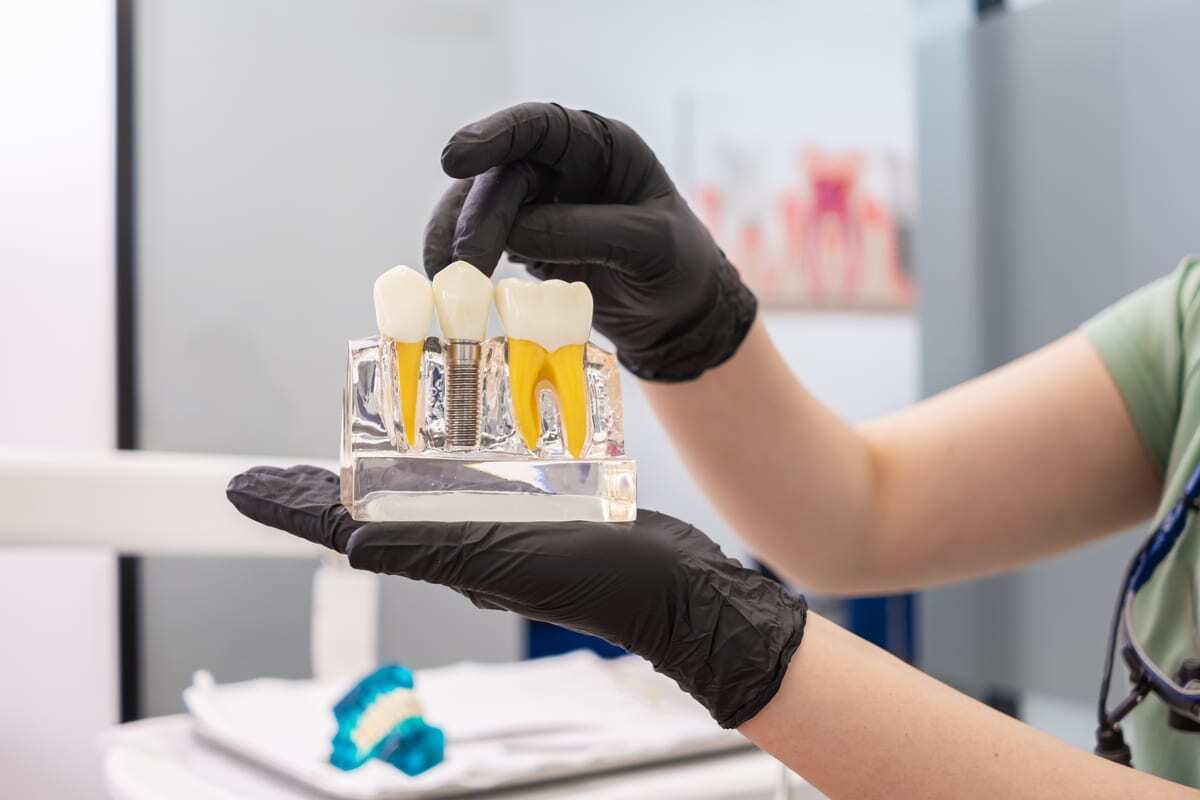
The implant placement appointment is the core of your dental implant journey. Dr. Heller surgically places a small titanium post directly into your jawbone. This post acts as an artificial tooth root. The procedure is performed under local anesthesia. You will feel pressure but should not feel pain. For patients with dental anxiety, Metropolitan Dental Arts also offers sedation dentistry options to help you stay calm and comfortable.
Here is what happens during the placement appointment:
- The area is numbed with a local anesthetic
- A small incision is made in the gum tissue
- A precise channel is drilled into the jawbone
- The titanium implant post is inserted and secured
- The gum tissue is gently closed around the implant
The procedure typically takes one to two hours per implant. Afterward, you may experience mild swelling or discomfort for a few days. Over-the-counter pain relief usually manages this effectively.
Most patients return to work within one to two days. Dr. Heller provides detailed post-operative instructions so your recovery stays on track.
Step Four: Osseointegration; Your Body Does the Work
After placement, the implant enters a critical healing phase called osseointegration. This is the process where your jawbone fuses directly with the titanium post. It transforms the implant into a permanent, stable anchor.
Osseointegration typically takes three to six months. During this time, you’ll visit our Brooklyn office for periodic check-ups. Dr. Heller monitors your healing and ensures everything is progressing correctly.
During this phase, it’s important to:
- Avoid hard or crunchy foods that stress the implant site
- Quit smoking, which significantly slows healing
- Maintain excellent oral hygiene around the implant
- Attend all scheduled follow-up appointments
Step Five: Placing the Abutment and Final Crown
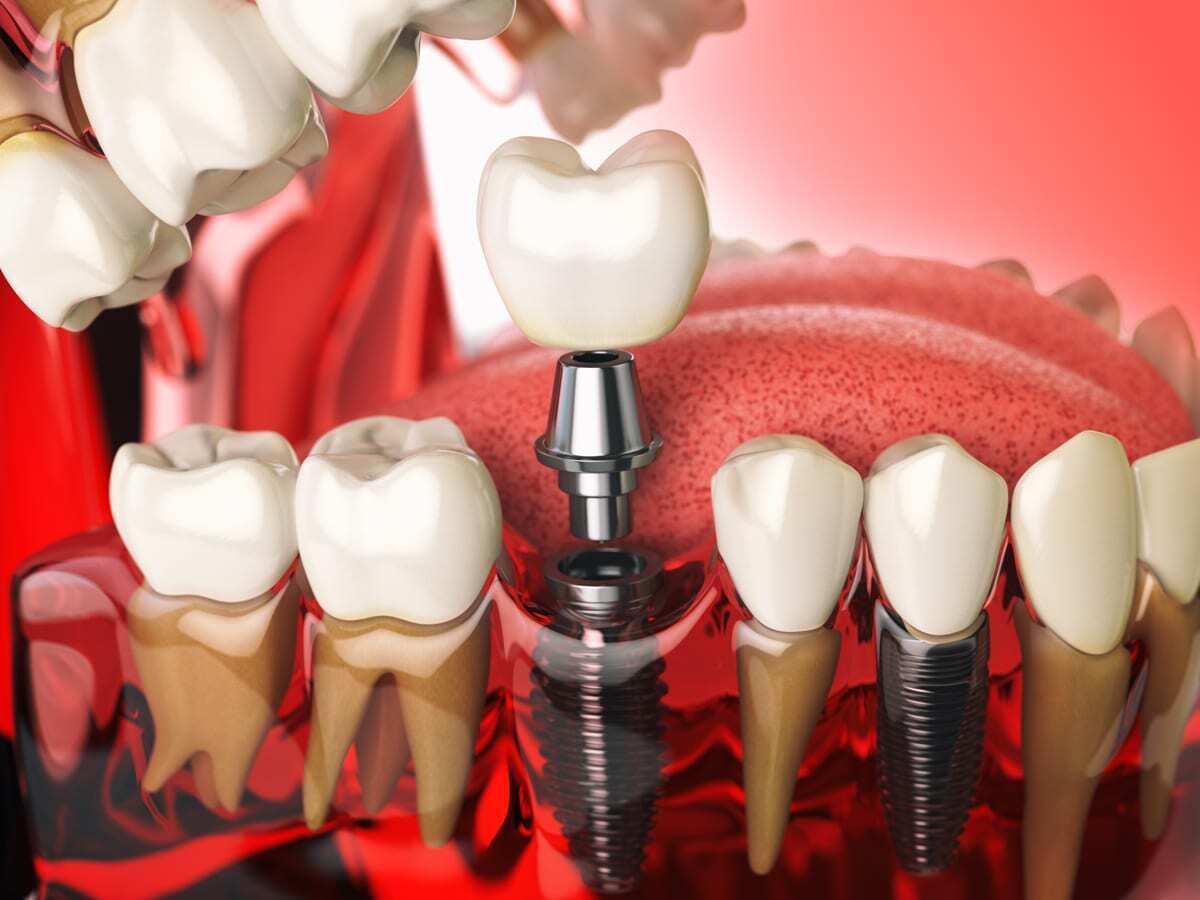
Once osseointegration is complete, you return for the next stage. Dr. Heller attaches a small connector piece called an abutment to the top of the implant post. This component links the implant to your final restoration. The abutment is placed under local anesthesia. Gum tissue then heals around it for one to two weeks. This creates a natural-looking collar of tissue around the base of your new tooth. After healing, impressions of your teeth are taken. These measurements are sent to a dental laboratory. Technicians custom-craft your crown to match the shape, size, and color of your surrounding teeth.
When the crown is ready, Dr. Heller permanently attaches it to the abutment. The result is a restoration that looks and feels completely natural. Most patients say they forget which tooth was replaced.
Life After Your Implant: Long-Term Care in Brooklyn
Dental implants are designed to last a lifetime with proper care. Your new tooth does not decay, but the surrounding gum and bone still need attention. Consistent oral hygiene remains essential after the procedure. Brushing twice daily and flossing around the implant keeps the surrounding tissue healthy. Routine check-ups at Metropolitan Dental Arts allow Dr. Heller to monitor the implant and surrounding teeth over time.
Most Brooklyn patients report high satisfaction with their implants. They eat comfortably, smile confidently, and enjoy improved quality of life. The investment in time and care through each step pays off significantly in the long run.
You deserve a smile that works as hard as you do. Understanding your dental implant journey every step of the way is the first move toward making that happen. Contact us to schedule your appointment with our team.
Frequently Asked Questions
How long does the entire dental implant process take in Brooklyn?
The full process typically takes six to twelve months from consultation to final crown. The longest phase is osseointegration, which allows your jawbone to fuse with the implant. The actual surgical and restorative appointments are relatively brief compared to the healing time.
Is dental implant surgery painful?
Most patients report feeling pressure during placement but not pain, thanks to local anesthesia. Mild soreness and swelling are normal for a few days after surgery. Over-the-counter pain relievers and following Dr. Heller’s post-op instructions make recovery very manageable.
Am I a good candidate for dental implants?
Good candidates have healthy gums, adequate jawbone density, and no uncontrolled systemic conditions that affect healing. Dr. Heller evaluates each patient individually during the consultation. Some patients need bone grafting first before they qualify for implant placement.
Can I get implants if I’ve had bone loss?
Yes, in many cases. Bone grafting can rebuild the jaw to the density needed for a successful implant. Dr. Heller will assess the extent of bone loss using 3D imaging and recommend the appropriate preparatory steps for your specific situation.
Do dental implants look natural?
Absolutely. The final crown is custom-made to match your surrounding teeth in shape, size, and color. Most patients and even dental professionals cannot distinguish the implant from a natural tooth. The result is a seamlessly integrated smile.