
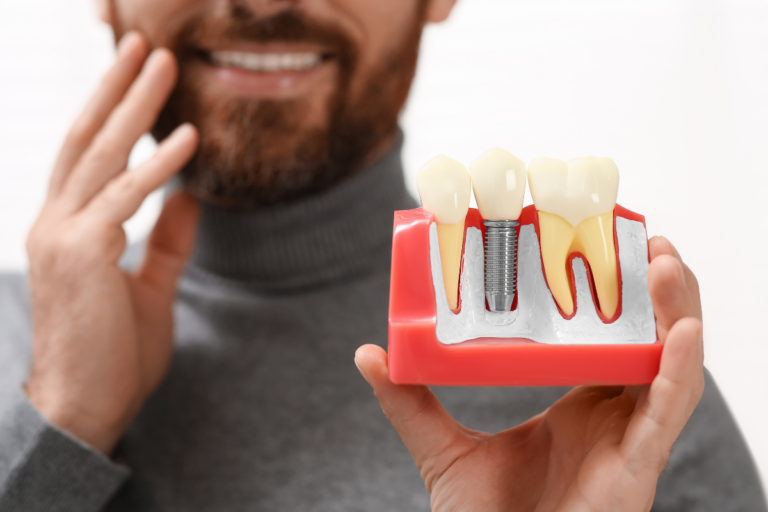
Dental implants restore function and appearance by replacing missing teeth with durable artificial roots. After surgery, however, recovery requires special care. One of the most important factors influencing healing is diet. The foods you eat in the days and weeks following the procedure can affect how well the dental posts bond with the jawbone and how comfortable your recovery feels. Patients undergoing dental implant treatment in Brooklyn are often advised to follow a temporary dietary plan to protect the surgical site and support proper healing.
Living in a vibrant borough like Brooklyn means enjoying a diverse range of food options, from neighborhood bakeries to busy street cafés like the Five Leaves or Martha’s Country Bakery. While these meals may be tempting, the initial recovery period requires extra caution. Avoiding certain foods reduces irritation around the surgical site and helps the fixture stabilize successfully.
Understanding which foods to avoid and why they matter can make the healing process smoother and more predictable.
Why Diet Matters After Your Prosthetic Teeth Surgery?
Implanted teeth surgery involves a titanium post in the jawbone to support a replacement tooth. Over time, the bone gradually bonds with the titanium post through a process called osseointegration. This biological process helps secure the implant firmly in place.
During the early healing phase post your dental implant treatment in Brooklyn, the surrounding tissues remain sensitive. Excess pressure, irritation, or bacterial buildup can interfere with recovery. Eating the wrong foods may place stress on the surgical site or disturb the developing bond between bone and prosthetic teeth.
Following dietary precautions helps reduce swelling, protects the surgical area, and allows proper integration with the jawbone.
What Are The Foods To Avoid After An Implant Surgery?
While many foods are safe to eat during recovery, certain items can slow healing or irritate the surgical area. Avoiding these foods during the first few weeks can help prevent complications.
- Hard And Crunchy Foods
Foods that require significant chewing can place pressure on the surgical site. Hard textures may also disturb stitches or irritate sensitive gum tissue.
Common foods to avoid include:
- Nuts
- Chips
- Popcorn
- Hard breads or crusty rolls
- Raw vegetables such as carrots or celery
These foods can stress the surgical area and increase discomfort during recovery.
- Sticky Foods
Sticky foods can cling to the surgical site, making it difficult to keep the area clean. Residue trapped around your new tooth may allow bacterial accumulation.
Examples include:
- Caramel
- Chewing gum
- Taffy
- Sticky candies
These foods should be avoided until the gums have healed completely.
- Acidic Foods And Beverages
Acidic foods may irritate sensitive gum tissue and increase discomfort during healing. The surgical site may already be inflamed, and acidic substances can worsen irritation.
Foods and drinks to limit include:
- Citrus fruits
- Tomato-based sauces
- Carbonated beverages
- Vinegar-heavy foods
Reducing acidic intake helps create a more comfortable healing environment for the gums.
- Extremely Hot Foods And Drinks
Hot beverages and meals can increase blood flow to the surgical area, which may cause discomfort or swelling. Heat may also disrupt the initial healing process. It is best to skip consuming very hot coffee, tea, or soups immediately after the procedure. Instead, choose room-temperature or lukewarm foods during the early stages of recovery.
- Sugary Snacks And Drinks
Sugary foods promote bacterial growth in the mouth. After surgery, maintaining a clean oral environment becomes especially important to prevent infection.
Limiting sweets such as candies, pastries, and sugary beverages helps reduce bacterial buildup around the operated area. Patients receiving treatment through modern implant dentistry are often advised to follow a balanced diet that supports healing and minimizes irritation.
When Can These Foods Be Reintroduced?
Most patients can gradually reintroduce harder foods as healing progresses. The timeline varies depending on the individual and the complexity of the procedure. During follow-up visits, your dental professional will evaluate the surgical area and confirm when it is safe to return to certain foods.
Many patients ask their dental professional whether they can eat normally after dental implants, especially once the initial discomfort begins to fade. In most cases, normal eating habits can return gradually once the gums heal and the prosthesis becomes stable within the jawbone.
Once the gums and surrounding bone show stable healing, you may slowly return to your normal diet. Reintroducing foods gradually helps ensure the newly implanted tooth remains stable and protected.
The Importance Of Hydration During Recovery
Staying hydrated plays an important role in post-surgery recovery. Drinking water helps maintain moisture in the mouth and supports healthy tissue healing. Proper hydration also helps rinse away bacteria and food particles that could otherwise collect near the surgical site. Choosing water and non-acidic beverages helps maintain a balanced oral environment during recovery.
How Does Proper Oral Care Support Quick Healing?
Diet is only one part of successful recovery post getting artificial tooth roots. Maintaining good oral hygiene also helps protect the surgical area and prevent infection. Some helpful practices local Brooklyn dentists recommend to include are:
- Brushing gently with a soft-bristle toothbrush.
- Rinse with warm saltwater when recommended.
- Avoid smoking during the healing period.
These steps help maintain cleanliness and support healthy gum tissue during recovery.
Protect Your Healing Implants With Smart Dietary Choices
Healing post the surgery is not only about the procedure itself. The right diet, careful oral care, and professional guidance all play a vital role in ensuring long-term success.
At Metropolitan Dental Arts, we focus on providing stress-free dental implant treatment in Brooklyn, guiding patients through every step of recovery. Our team offers clear dietary recommendations, personalized care, and continuous support to help your implants heal comfortably and successfully. If you’re ready to restore your smile with confidence, schedule your consultation with us today and let our team help you achieve lasting results with proper implant care.