
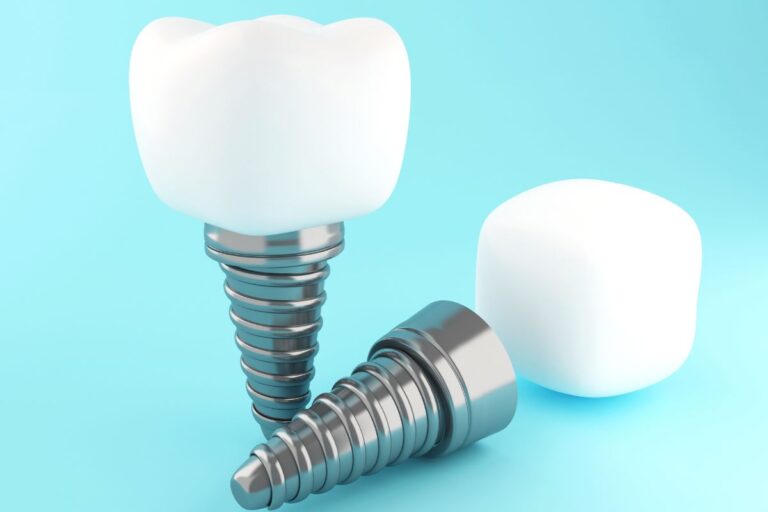
Dental implants have revolutionized the way people approach tooth replacement. Unlike dentures, which can slip or cause discomfort, dental implants are securely anchored into your jaw, providing a stable, long-term solution.
However, many patients wonder, “Can I eat normally after dental implants?” This question is quite common, and the answer depends on the healing process and the steps you take to care for your implants. In this guide, we’ll break down everything you need to know about eating with dental posts, from the healing phase to what foods are safe to enjoy.
How Soon Can You Eat After Getting Dental Implants?
After receiving artificial dental roots, allowing time for your gums and jawbone to heal is essential. Immediately after the procedure, you will experience some swelling and discomfort, which is entirely normal. During the first few days, it’s advisable to stick to soft foods that are easy to chew and gentle on your gums. Think soups, mashed potatoes, scrambled eggs, and smoothies.
It’s important to follow the instructions provided after dental implants in Brooklyn, as different practitioners may have varying recommendations based on your procedure and needs.
While it may be tempting to eat your favorite foods right away, rushing the process can lead to complications and slow down healing.
In the first few weeks, you may also be advised to avoid using the area where the implants were placed to prevent any strain on the healing tissue. Overusing this area can affect the success of the implant’s integration into your jawbone, a process called osseointegration.
Can You Eat Normally After the Initial Healing Period?
As your implants begin to heal and integrate into the bone, you’ll gradually be able to introduce more solid foods into your diet. After about two to three weeks, soft foods like yogurt, pasta, and well-cooked vegetables should be safe. However, it’s important not to rush this phase. The strength of your implants will increase over time as they bond with the bone, but this process can take several months.
Once you’re a few months into the healing period, you can start adding firmer foods back into your meals. Think of foods like baked chicken, tender fruits, and soft bread. Chewing on these will help strengthen your jaw and gums, but you should still be cautious and avoid biting directly into anything that could stress the implant area.
If you’re uncertain about what foods to reintroduce at each stage, consult your dentist.
Foods to Avoid with Dental Implants During the Healing Process
While dental posts provide an excellent long-term solution for replacing missing teeth, following the right eating habits during the healing phase is essential. Some foods can cause problems, delay healing, or even damage the implants if introduced too early.
Here are some foods to avoid after getting dental implants:
- Hard and crunchy foods: Foods like nuts, popcorn, and hard candies can put excessive pressure on your implants during the healing phase, leading to discomfort or damage.
- Sticky foods: Gum, caramel, and chewy candies should also be avoided because they can get stuck in the implant area and irritate the gums.
- Very hot or cold foods: Extreme temperatures can cause sensitivity in your implants, making it uncomfortable to eat.
- Foods that require biting: Avoid biting directly into hard fruits, raw vegetables, or anything that requires a lot of force to break down. This can put stress on your implants and slow healing.
It’s important to note that once your implants have fully healed and integrated, you can enjoy various foods. Your dental posts will be strong and durable enough to handle most foods without any issue.
How Dental Implants Affect Your Eating Experience?
One of the most significant benefits of dental posts over dentures or other alternatives is improving the ability to chew and eat comfortably. Unlike dentures that can shift or slip, implants are anchored securely in your jaw, mimicking the function of natural teeth. Once healed, you won’t have to worry about your implants moving around while you eat. This stability allows you to eat all your favorite foods without hesitation.
At first, it might feel strange as you adjust to the feeling of the implants in your mouth. However, most patients find that within a few weeks, they can chew and speak as comfortably as they did before losing their natural teeth. If you experience discomfort or difficulty eating, don’t hesitate to contact your dentist. They can make adjustments to ensure your implants are functioning optimally.
What About After Full Healing?
Once your artificial tooth roots have fully healed, which can take three to six months, you can return to eating just about anything you like. Whether it’s a crunchy apple, a delicious steak, or your favorite chewy candy, you can eat confidently. The beauty of these dental restorations is that they function just like your natural teeth, making them a long-lasting solution for restoring your smile and ability to eat normally.
During this period, continue practicing good oral hygiene. Regular brushing, flossing, and dental checkups are essential for ensuring the long-term health of your implants.
Return to Normal Eating with Dental Implants
These permanent restorations are a life-changing solution for those who have lost teeth. While the healing process does require some adjustments to your eating habits, the results are well worth the wait. With dental posts, you can return to eating all your favorite foods without worry. The process may take some time, but once your implants have fully healed and integrated, you’ll be able to enjoy the full benefits of this innovative treatment.
If you’re considering dental implants in Brooklyn or anywhere nearby, Metropolitan Dental Arts is here to guide you. We offer personalized care to ensure that your dental implants heal properly and that you return to eating normally in no time. Book an appointment today to start your journey to a healthy, restored smile!