
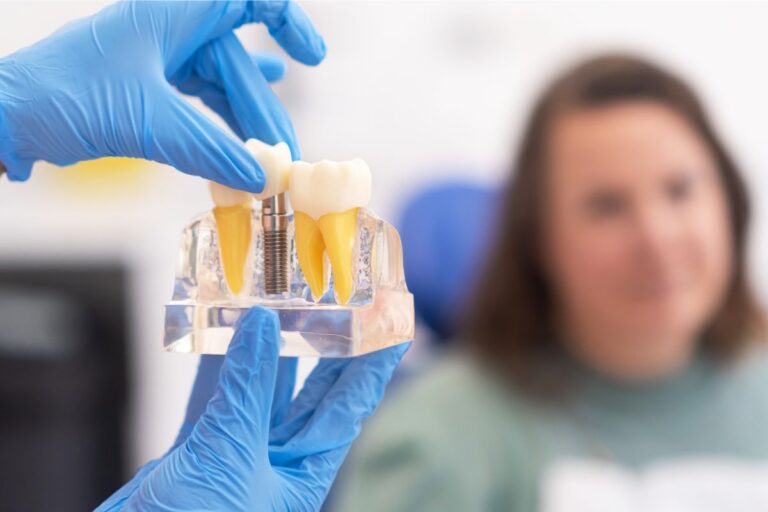
When considering dental implants as a solution for missing teeth, one of the most critical factors often overlooked is the jawbone’s condition. Bone health plays an indispensable role in the success and longevity of tooth replacement procedures. This article explores why maintaining optimal bone quality and quantity is essential before and after receiving dental implants in Brooklyn, providing a comprehensive understanding for those seeking effective restorative options.
Why Is Bone Density Important For Dental Implants Success?
The stability and integration of tooth replacements rely heavily on the jawbone’s density. Adequate bone density ensures the artificial tooth root anchors securely within the jaw, which is made from biocompatible materials. Without sufficient bone, the replacement will become loose or fail. Bone density is the foundation, supporting the mechanical functionality and contributing to the natural look and feel.
Bone loss can occur in patients who have experienced prolonged tooth loss or periodontal disease, resulting in insufficient support. This deterioration poses challenges in achieving osseointegration, where the bone fuses with the implant surface. Therefore, a thorough evaluation of bone health is a prerequisite for anyone considering tooth replacement therapy.
How Does Bone Loss Affect Eligibility For Dental Implants?
Bone loss can arise due to various reasons, such as trauma, infection, or long-term tooth absence. When bone volume diminishes significantly, it reduces the ability to place artificial roots in the ideal location and angle. This situation can compromise the restoration’s function, aesthetics, and durability.
Dental professionals use advanced imaging techniques like cone-beam computed tomography (CBCT) to assess the jawbone’s condition. These scans help determine whether additional procedures, such as bone grafting or sinus lifts, are necessary to rebuild the jawbone and create a stable environment for the implant.
Patients with osteoporosis or other systemic conditions affecting bone metabolism should also be evaluated carefully, as these may impact healing and integration success. Close collaboration between dental specialists and medical providers is essential to ensure safe and effective treatment outcomes.
What Are The Options For Patients With Insufficient Bone?
Fortunately, advancements in dental technology have expanded the options for patients with compromised bone health. Bone grafting remains a common approach to augment deficient areas. This technique involves transplanting bone material- autogenous (from the patient), allogenic (donor), or synthetic to stimulate new bone growth.
Another technique includes sinus augmentation, which elevates the sinus floor to provide additional vertical bone height in the upper jaw. Both methods require healing periods before proceeding with artificial root placement, but they significantly improve candidacy for tooth replacement procedures.
Additionally, newer implant designs and materials are continuously being developed to accommodate varying bone qualities, enhancing the success rates even in challenging cases.
How Can Patients Maintain Healthy Bones For Long-Term Stability?
Maintaining healthy bones is essential before tooth replacement procedures and in the months and years afterward. Strong, well-nourished bone supports the artificial roots and helps prevent complications that could jeopardize the success of the restoration. Patients can take several proactive steps to promote optimal bone health:
- Balanced Nutrition: Ensure sufficient calcium and vitamin D intake through diet or supplements to support bone strength.
- Regular Weight-Bearing Exercise: Activities like walking and resistance training promote bone growth and circulation.
- Avoid Tobacco Use: Smoking hinders bone healing and increases the risks of bone loss.
- Meticulous Oral Hygiene: Proper brushing, flossing, and rinsing prevent infections that damage bone.
- Regular Dental Check-Ups: Early detection of problems aids prompt treatment.
- Follow Post-Operative Care: Adhering to guidelines supports healing and bone regeneration.
By embracing these habits, patients can actively contribute to maintaining the strength and integrity of their jawbone. This is also helpful for enhancing the durability and function of your dental implants in Brooklyn.
Why Is Choosing The Right Dental Professional Important For Bone Assessment?
Selecting an experienced dental specialist is essential for thorough evaluation and treatment planning. Professionals skilled in assessing bone health and performing adjunctive procedures provide personalized care that enhances the chances of successful outcomes.
Numerous clinics in Brooklyn offer comprehensive services that include bone health assessment, advanced imaging, and surgical expertise. Consulting with providers who emphasize bone conditions can save patients from costly complications and improve their satisfaction with their restorative journey. If you are in search, book an appointment with our experts who can help you achieve the smile of your dreams.