
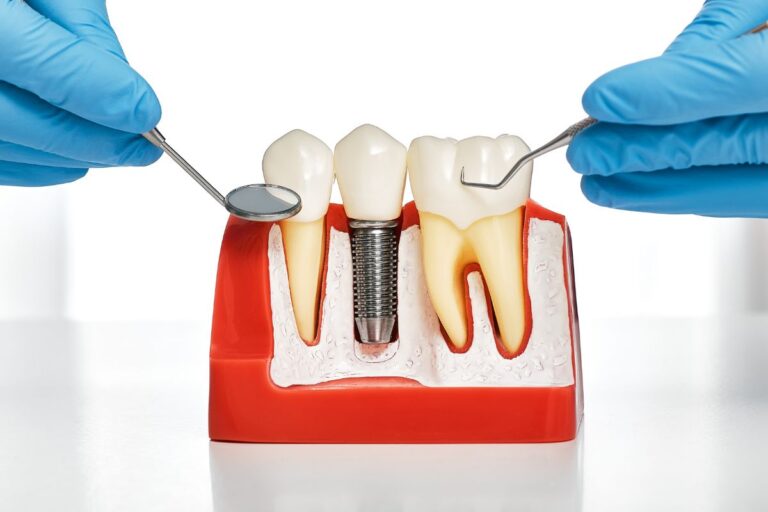
Losing teeth can be tough, but for many residents in this city. Dental implants can be a dependable way to bring back their beautiful smile in a situation like that. If you’re dealing with gum disease, it’s natural to wonder if implants are still an option when your gum health isn’t perfect. This blog will gently walk you through the link between gum disease and restorations. Explore the available treatment choices and helpful steps you can take before deciding on implant dentistry in Brooklyn.
How Does Gum Disease Affect Dental Implants?
Gum disease, also known as periodontal disease, can harm the tissues that support your teeth. If left untreated, it may lead to various issues such as:
- Bone loss around teeth and the jawbone
- Receding gums that expose tooth roots
- Infections that may spread deeper over time
For dental restorations to be successful, it’s important to have a strong jawbone and healthy gum tissue. If gum disease has weakened these areas, implants might not integrate as well, which could lead to complications down the line.
Can You Still Get Dental Implants If You Have Gum Disease?
Absolutely, yes—but only once you’ve received the right treatment. If gum disease is active, your dentist will want to stabilize your oral health before moving forward with implants. They might suggest treatments like deep cleaning and infection control, which help create a strong, healthy foundation for the implants to integrate smoothly and successfully. This ensures long-term stability and prevents recurring gum problems after surgery.
What Treatments Are Recommended Before Implants?
To prepare for dental implants in Brooklyn, dentists often use a combination of therapies:
Scaling and root planing – Deep cleaning below the gumline to remove plaque and tartar
Professional cleaning – Regular maintenance to prevent bacteria buildup
Topical medications – Antimicrobial gels or rinses to control infection
Antibiotics – Oral or local medications to fight stubborn bacteria
Surgery – In severe cases, procedures like gum grafts or bone grafts may be needed.
These treatments ensure the gums and jawbone are strong enough to support implants.
What Happens During an Implant Treatment?
Evaluation & Imaging: Dentists assess gum health, bone structure, and overall oral health.
Treatment of Gum Disease: Infected tissues are treated before implant placement.
Implant Placement: Titanium posts are inserted into the jawbone for stability.
Healing Phase: The bone integrates with the implant in a process called osseointegration.
Abutment & Crown Placement: Finally, a custom crown restores function and aesthetics.
Each step ensures the implant blends naturally with your existing teeth for a lasting result.
Why Is Timely Treatment Important?
Delaying gum disease treatment can lead to several serious consequences. It can cause further bone loss, making implant placement more difficult and increasing the risk of implant failure. Additionally, postponing treatment may result in higher costs due to the need for more advanced procedures. Early intervention not only helps preserve your smile but also simplifies the entire implant process.
Are Dental Implants Worth It After Gum Disease?
Absolutely. Dental restorations look and feel like natural teeth, prevent bone loss and preserve facial structure, and offer long-term durability compared to dentures or bridges. They can also improve confidence and chewing ability. With proper care, implants can last decades—even if gum disease was once a concern.
Take the First Step Toward a Healthier Smile
If you’re facing gum disease and missing teeth, there’s no need to wait. Today’s advanced implant dentistry in Brooklyn provides safe and effective solutions once your gums are in good shape. With timely treatment, expert care, and regular check-ups, you can enjoy a beautiful, confident smile for years to come. Reach out to Metropolitan Dental Arts today to book your consultation and see how dental implants can truly improve your oral health.