
As you get older, changes in your mouth can affect more than your comfort. Dry mouth may make eating, speaking, and swallowing difficult, while gum recession can expose sensitive tooth roots and increase the risk of dental problems. Although these changes are common among older adults, they should not automatically be considered a normal part of aging.
Understanding how dry mouth and gum recession are connected can help you protect your teeth and gums. Regular dental visits and timely gum disease treatment can also help address problems before they lead to more serious complications.
Why Does Dry Mouth Become More Common After 60?
Dry mouth, also called xerostomia, occurs when your mouth does not have enough saliva to stay comfortably moist. Saliva helps wash away food particles, neutralize acids, and protect teeth against decay.
Several factors may contribute to dry mouth after age 60, including:
- Medications: Certain medicines used to manage high blood pressure, allergies, depression, and other conditions can reduce saliva production.
- Medical conditions: Diabetes and some autoimmune conditions may contribute to persistent dry mouth.
- Dehydration: Not drinking enough fluids can make oral dryness worse.
- Cancer treatments: Radiation therapy involving the head and neck may affect the salivary glands.
When saliva production decreases, bacteria and plaque can accumulate more easily. This may increase the risk of tooth decay, bad breath, and gum inflammation.
How Is Dry Mouth Connected to Gum Recession?
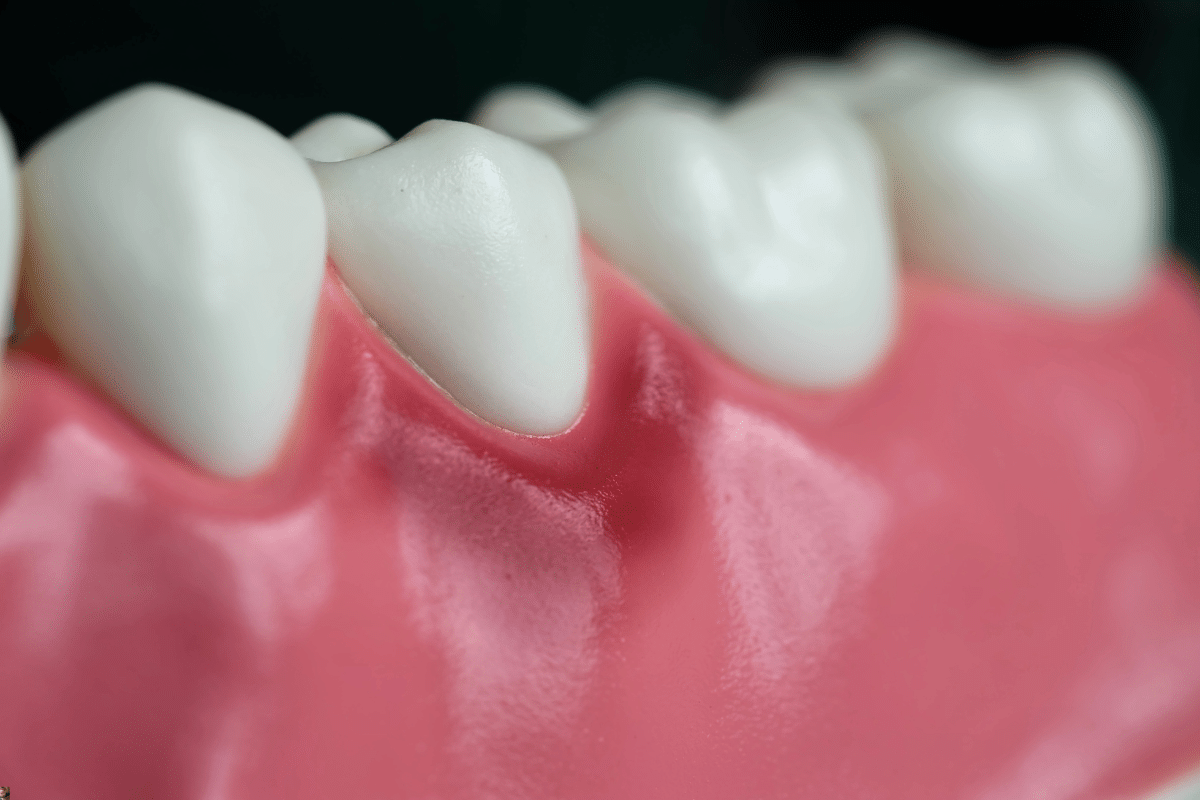
Gum recession occurs when the gum tissue surrounding a tooth pulls back, exposing more of the tooth or its root. It can develop because of periodontal disease, aggressive brushing, thin gum tissue, or other contributing factors. Dry mouth does not directly cause gum recession in every case. However, reduced saliva can make it harder to control plaque and maintain a healthy oral environment. If plaque buildup leads to persistent gum inflammation and periodontal disease, the tissues and bone supporting your teeth may become damaged.
Common signs to watch for include:
- Teeth that appear longer than they used to
- Sensitivity to cold drinks, hot foods, or sweet foods
- Red, swollen, or bleeding gums
- Persistent bad breath
- Changes in the way your teeth fit together
Gum recession can also occur without noticeable pain. That is why routine dental examinations are important, even when your teeth and gums feel relatively comfortable.
Can Gum Recession Be Reversed?
Gum tissue that has already receded generally does not grow back on its own. However, early intervention can help prevent further damage and protect the remaining gum tissue. The right approach depends on what is causing the recession and how much damage has occurred. Your dentist or periodontal specialist may recommend professional plaque removal, improved brushing and flossing techniques, or treatment for periodontal disease. For more advanced recession, a gum graft or another periodontal procedure may be appropriate. These treatments can help cover exposed roots or improve tissue protection in selected cases.
If dry mouth is contributing to your oral health problems, your dentist may also recommend saliva substitutes, sugar-free gum, frequent sips of water, or other measures to manage symptoms. If medication is suspected, consult the prescribing clinician before making any changes.
When Should You Seek Gum Disease Treatment?
Bleeding gums, persistent swelling, gum tenderness, and increasing tooth mobility are reasons to schedule a dental evaluation. These symptoms may indicate periodontal disease, which can progress without causing significant pain in its early stages. Professional gum disease treatment may involve scaling and root planing, a deep-cleaning procedure that removes plaque and hardened deposits from below the gumline. Depending on the severity of the condition, additional periodontal care or ongoing maintenance visits may be needed.
Adults looking for the best periodontal treatment in Brooklyn should consider a practice that evaluates gum health, explains the available treatment options, and develops a care plan based on their individual needs. Early assessment is particularly helpful when gum recession occurs alongside dry mouth, tooth sensitivity, or other changes in oral health.
Protecting Your Teeth and Gums as You Age
A few consistent habits can help reduce the effects of dry mouth and lower your risk of gum problems:
- Brush twice daily with a soft-bristled toothbrush and fluoride toothpaste.
- Clean between your teeth every day using floss or an appropriate interdental cleaner.
- Drink water regularly throughout the day.
- Limit frequent sugary snacks and acidic drinks.
- Ask your dentist about products designed to relieve dry mouth.
- Keep up with regular dental examinations and professional cleanings.
If you wear dentures, clean them as directed and make sure they fit properly. Ill-fitting dentures can irritate oral tissues and require professional adjustment.
Get Help for Changing Gum Health
Dry mouth and gum recession can become more difficult to manage when underlying dental problems go untreated. Recognizing the warning signs and seeking professional care can help preserve your natural teeth and support long-term oral health. With an individualized approach, older adults can address gum problems while managing the factors that contribute to oral dryness.
If you have noticed bleeding gums, exposed tooth roots, or persistent dry mouth, schedule an appointment with Metropolitan Dental Arts in Brooklyn to have your gum health evaluated and discuss appropriate treatment options.