
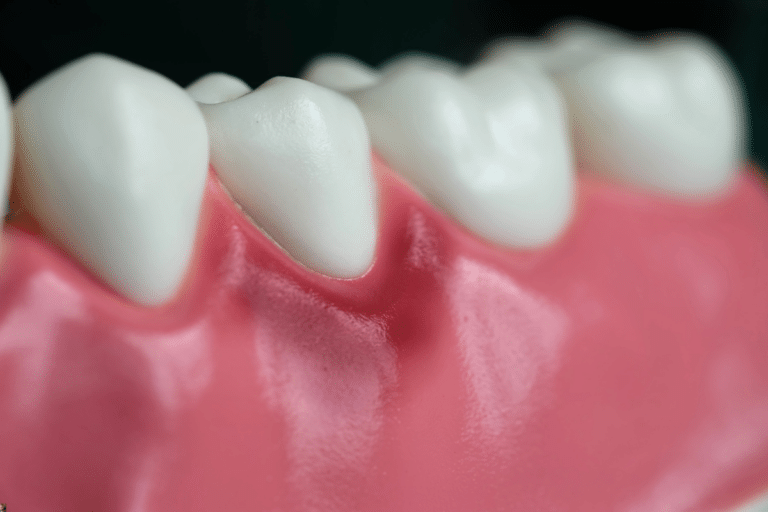
Gingivitis, a mild form of gum disease, is a common condition that can be easily treated. It occurs when bacteria accumulate on the teeth and irritate the gums. However, if left untreated, it can progress to a more serious form of gum disease known as periodontitis.
Symptoms of Gingivitis
- Red and swollen gums: Gums may become red, swollen, and tender.
- Bleeding gums: Gums may bleed easily, especially when brushing or flossing.
- Bad breath: Gingivitis can cause bad breath due to the buildup of bacteria.
- Receding gums: In some cases, the gums may begin to recede, exposing the tooth roots.
Causes of Gingivitis
- Poor oral hygiene: The primary cause of gingivitis is poor oral hygiene, including infrequent brushing, flossing, and not seeing a dentist regularly. Maintaining good oral hygiene can significantly reduce your risk of developing gingivitis.
- Hormonal changes: Hormonal fluctuations, such as those that occur during pregnancy or puberty, can increase the risk of gingivitis.
- Certain medications: Some medications, including oral contraceptives, blood pressure medications, and corticosteroids, can contribute to gum disease.
- Systemic diseases: Conditions such as diabetes and heart disease can weaken the immune system, which is responsible for fighting off infections, including those in the gums. This weakened immune system can increase the risk of gum disease.
- Smoking: Smoking is a significant risk factor for gingivitis and other oral health problems.
The Importance of Early Treatment
Gingivitis is a reversible condition that can be effectively treated if caught early. However, if left untreated, it can progress to periodontitis, a more serious form of periodontal disease that can lead to tooth loss and other health problems.
Experienced dentists and hygienists can help you identify the signs of gingivitis and develop a personalized treatment plan to address your specific needs. This may include a thorough examination, professional cleaning, and personalized advice on improving your oral hygiene.
Treatment Options for Gingivitis
- Professional cleaning: A deep cleaning by a dental hygienist can remove plaque and tartar buildup and help to reduce inflammation in the gums.
- Antibacterial mouthwash: Using an antibacterial mouthwash can help kill bacteria that contribute to gingivitis.
- Improved oral hygiene: Brushing your teeth twice a day with fluoride toothpaste, flossing daily, and seeing your dentist for regular checkups are essential for preventing gingivitis.
- Laser therapy: In some cases, laser therapy can treat gingivitis and reduce inflammation in the gums.
Preventing Gingivitis
- Brush your teeth twice daily: Use fluoride toothpaste and brush your teeth for at least two minutes each time.
- Floss daily: Flossing can help remove plaque and food particles between teeth.
- Seeing your dentist for regular checkups is essential for preventing gingivitis. These checkups help monitor your oral health, allowing your dentist to identify and treat any issues early before they become more serious.
- Quit smoking: Smoking is a significant risk factor for gingivitis and other oral health problems.
- Manage underlying health conditions: If you have diabetes or other systemic diseases, managing these conditions is essential to reduce your risk of gum disease.
cONCLUSION
Gingivitis is a common yet significant early stage of gum disease characterized by inflammation of the gums. Recognizing the telltale signs, such as redness, swelling, and bleeding, is crucial, as this condition is often reversible with diligent oral hygiene practices and professional dental care. Ignoring gingivitis, however, can allow it to progress to the more serious and irreversible periodontitis, ultimately leading to tooth loss. Therefore, maintaining a consistent routine of brushing, flossing, and regular dental check-ups is paramount in preventing and managing gingivitis, safeguarding your long-term oral health, and achieving a confident smile.