
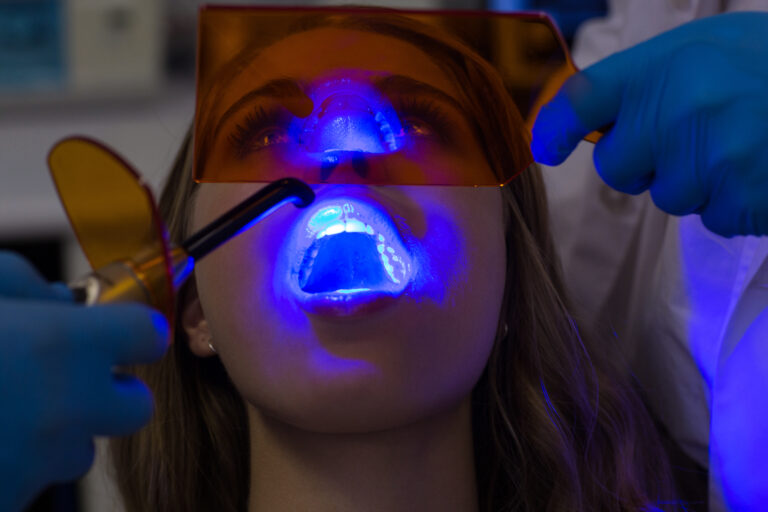
You invested in a brighter smile and it looked amazing. But a few months later, the shine has faded. If this sounds familiar, you are not alone. Your whitening results don’t last forever, and understanding why is the first step toward keeping your smile brilliant longer. Patients across Sunnyside ask us this question regularly at Metropolitan Dental Arts. Dr. Keith J. Heller and our team are here to explain exactly what happens and what truly helps.
How Long Do Whitening Results Actually Last in Sunnyside?
Most professional whitening treatments last between six months and two years. The wide range depends on your lifestyle, oral hygiene routine, and the type of whitening you received. In-office treatments tend to produce stronger initial results. Take-home trays from your dentist can help you maintain brightness over time.
Over-the-counter strips and gels fade faster and are less consistent. They also do not penetrate enamel as effectively as professional-grade formulas. If you whitened at a dental office, you already have a head start on longevity. The real challenge is protecting those results in your daily life.
Think of whitening like a fresh coat of paint. It looks perfect at first, but exposure to certain elements causes it to wear down. The habits you practice every single day determine how quickly that happens. Small changes can add months to your results.
The Biggest Habits That Shorten Your Whitening Results
Certain foods, drinks, and lifestyle choices are the primary enemies of a white smile. Knowing which ones cause the most damage helps you make smarter choices. Your whitening results don’t last forever, but you have more control than you think.
Here are the most common culprits that accelerate staining after whitening:
- Coffee and tea: These contain tannins that bind to enamel and cause yellowing quickly.
- Red wine: Deep pigments in red wine penetrate enamel with repeated exposure.
- Smoking or vaping: Nicotine and tar create stubborn brown and yellow stains.
- Dark sauces and berries: Soy sauce, tomato sauce, and blueberries all leave lasting color deposits.
- Sports drinks and sodas: These are acidic, which softens enamel and makes staining easier.
Smoking is one of the fastest ways to reverse whitening results. Within weeks, tobacco use can undo months of treatment. If quitting is difficult, talk to your doctor. Coffee and wine are harder to eliminate entirely. Most people rely on coffee daily. The key is managing how you consume these drinks, not necessarily cutting them out completely. Small adjustments make a meaningful difference.
Practical Tips That Help Maintain a Whiter Smile
Maintaining your whitening results requires consistent effort. Fortunately, most of these tips are simple to work into your routine. You do not need to overhaul your entire lifestyle, just be strategic.
Follow these proven maintenance strategies to extend your whitening results:
- Use a straw: Drinking coffee, tea, or dark beverages through a straw reduces direct contact with your teeth.
- Rinse right away: After consuming staining foods or drinks, rinse your mouth with water promptly.
- Brush twice daily: Use a whitening toothpaste to slow the buildup of surface stains.
- Floss consistently: Flossing removes plaque between teeth where staining compounds can hide.
- Schedule touch-up treatments: Periodic professional touch-ups keep your shade from slipping too far.
- Avoid staining foods right after whitening: Your enamel is most porous in the 48 hours following treatment.
The first 48 hours after teeth whitening treatment in Brooklyn are especially important. During this period, your enamel is temporarily more porous because of the whitening process. This makes it easier for pigments from food and beverages to penetrate the tooth surface.
Many dentists refer to this period as the “white diet” window. During these two days, it’s best to choose light-colored foods and drinks such as chicken, rice, plain pasta, potatoes, cauliflower, bananas, yogurt, milk, and water. Avoid coffee, tea, red wine, berries, tomato sauce, soy sauce, colored sports drinks, and dark sodas until your enamel has had time to stabilize.
Does Professional Teeth Whitening Really Last Longer?
Yes. Professional teeth whitening performed by your dentist generally produces longer-lasting and more even results than over-the-counter products. Professional whitening treatments use stronger yet carefully controlled whitening agents that safely lift deeper stains from the enamel. Your dentist also customizes the treatment based on your tooth sensitivity, existing restorations, and desired shade, helping you achieve more predictable results.
In addition, your dental team can recommend maintenance plans and provide custom whitening trays that help preserve your smile for years.
When Should You Schedule a Whitening Touch-Up?
Even with excellent oral hygiene, every smile naturally picks up stains over time. Most patients benefit from a professional whitening touch-up every 6 to 12 months, depending on their habits.
You may want to schedule a touch-up sooner if you:
- Drink coffee or tea every day.
- Frequently enjoy red wine.
- Smoke or vape.
- Notice your teeth looking dull or yellow again.
- Have an upcoming wedding, vacation, job interview, or special event.
Regular dental cleanings also help remove surface stains before they become more noticeable, keeping your smile looking brighter between whitening treatments.
Brighten Your Smile with Professional Teeth Whitening
If your smile isn’t as bright as it used to be, professional teeth whitening can help restore your confidence. Whether you’re interested in your first whitening treatment or simply need a touch-up, Metropolitan Dental Arts proudly serves patients from Sunnyside and throughout Brooklyn with personalized cosmetic dental care.
Our team will recommend the right whitening solution for your smile and provide practical guidance to help your results last as long as possible. Schedule your consultation today and enjoy a healthier, brighter smile that keeps you looking your best.