
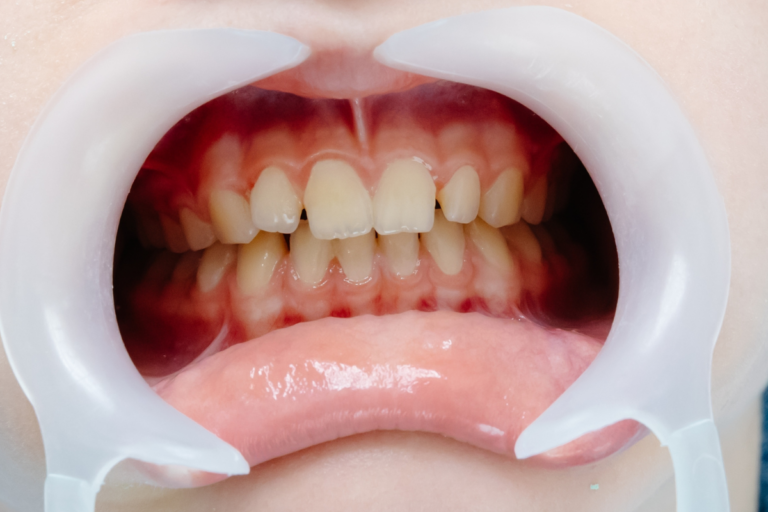
Swollen gums can be uncomfortable, irritating, and sometimes a sign that something more serious is happening beneath the surface. While mild gum irritation may improve with better brushing and flossing, sudden or severe swelling can indicate an infection, dental abscess, gum disease, or another problem that needs prompt attention.
Knowing when swollen gums require urgent care can help you avoid unnecessary pain and prevent a dental problem from becoming more complicated. If you are experiencing significant swelling, pain, bleeding, or signs of infection, an emergency dentist can evaluate the cause and recommend appropriate treatment. For Brooklyn residents, Metropolitan Dental Arts provides prompt emergency dental care for sudden tooth and gum problems, including pain, swelling, dental injuries, and infections.
What Causes Swollen Gums?
Gum swelling can develop for several reasons. Some causes are relatively minor, while others may require immediate dental treatment.
Gum Disease
Gingivitis and periodontitis are common causes of red, swollen, and tender gums. Gingivitis is the early stage of gum disease and may cause bleeding when brushing or flossing. Without treatment, it can progress to periodontitis, which can affect the tissues and bone supporting your teeth.
Dental Abscess
A dental abscess is an infection that can cause a pocket of pus to develop around a tooth or in the gums. Swelling may be accompanied by severe tooth pain, sensitivity, tenderness, a bad taste, or drainage. An abscess should not be ignored because a dental infection can spread if it is left untreated.
Food or Debris Trapped Between Teeth
Food particles or other debris can become lodged between teeth and irritate the surrounding gum tissue. This may cause localized swelling and tenderness. Carefully cleaning between the teeth may help when the irritation is minor, but persistent swelling should be evaluated by a dentist.
Dental Trauma
An injury to the mouth can cause swelling around the gums and teeth. A fall, sports injury, accident, or blow to the face may damage the tooth, gum tissue, or surrounding structures. Dental trauma accompanied by significant pain, bleeding, or a loose or displaced tooth should be assessed promptly.
Irritation From Dental Work or Appliances
A broken filling, crown, orthodontic appliance, or other dental restoration can sometimes irritate the gums. If the area becomes painful or swollen, an emergency dental evaluation in Brooklyn can determine whether the restoration needs to be repaired or adjusted.
When Is Gum Swelling a Dental Emergency?
Not every case of swollen gums requires emergency treatment. However, you should seek prompt dental attention when swelling is sudden, severe, or accompanied by other concerning symptoms.
Contact an emergency dentist if you have:
- Significant or worsening gum swelling
- Severe or persistent tooth pain
- Swelling around a particular tooth
- Pus or drainage from the gums
- A persistent bad taste in your mouth
- Fever or feeling generally unwell
- Facial or jaw swelling
- A loose, broken, or displaced tooth
- Bleeding that does not stop with pressure
- Swelling following an injury
- Difficulty opening your mouth
The combination of pain and swelling can sometimes point to an infection that requires professional treatment. The American Dental Association recommends dental treatment as the priority for many localized dental infections rather than relying on antibiotics alone. Antibiotics may be appropriate when an infection has systemic involvement, such as fever or malaise.
What Should You Do Before Seeing an Emergency Dentist?
If you notice sudden gum swelling, avoid trying to diagnose or treat the underlying problem yourself. Instead, contact a dental office for guidance and an evaluation.
Until you can be seen:
- Gently brush your teeth and keep the area clean.
- Carefully floss to remove trapped food if you can do so comfortably.
- Rinse your mouth gently with warm salt water.
- Avoid squeezing or popping a swollen area.
- Avoid placing aspirin directly against your gums.
- Choose softer foods if chewing is uncomfortable.
- Follow appropriate over-the-counter pain medication directions if needed and if those medications are safe for you.
These measures may provide temporary comfort, but they do not address the underlying cause of significant swelling.
What Can an Emergency Dentist Do for Swollen Gums?
The first step is determining why the gums are swollen. At Metropolitan Dental Arts, an emergency visit may include an examination and diagnostic imaging when needed to identify the source of the problem. The practice provides same-day emergency appointments for concerns such as pain, swelling, dental injuries, and other urgent oral health problems.
Depending on the diagnosis, treatment may involve cleaning and periodontal care, treating an infected tooth, addressing a damaged restoration, draining an infection, or providing other appropriate dental treatment. The goal is not simply to reduce the swelling. Treating the underlying cause can help relieve discomfort and protect your teeth, gums, and overall oral health.
Why Prompt Treatment Matters
It can be tempting to wait and see whether swollen gums improve on their own, particularly when the discomfort is manageable. However, delaying care can allow an infection or other dental problem to become more difficult to treat. This is especially important when swelling is accompanied by severe pain, fever, facial swelling, or other signs of infection. Prompt dental care can help identify the problem early and determine the appropriate treatment.
If swelling extends into the face or neck or you have trouble breathing or swallowing, seek emergency medical attention immediately. These symptoms can indicate a potentially serious infection that requires urgent medical care.
Where Can Brooklyn Patients Get Emergency Dental Care?
Dental emergencies rarely happen at a convenient time. A sudden toothache, swollen gums, broken tooth, or dental injury can interfere with work, family responsibilities, and everyday life.
Metropolitan Dental Arts provides trusted emergency dentistry in Brooklyn for patients who need prompt evaluation and care. The practice is located at 380 Union Ave., Brooklyn, NY 11211, and offers same-day emergency appointments when available. The office also provides an emergency exam that includes an X-ray of the problem area for eligible patients.
Having access to an emergency dentist can make it easier to address sudden dental problems before they become more serious.
Don’t Ignore Sudden Gum Swelling
Swollen gums may be caused by something as simple as irritation, but they can also signal gum disease, an infection, dental trauma, or another condition requiring professional care. Paying attention to accompanying symptoms can help you recognize when it is time to seek urgent treatment.
If your gums are suddenly swollen, painful, bleeding, or accompanied by signs of infection, contact Metropolitan Dental Arts for an evaluation. Getting the right treatment promptly can help relieve discomfort and protect your oral health. Schedule your appointment today!
FAQs
1. Are swollen gums considered a dental emergency?
Swollen gums are not always a dental emergency, but sudden or severe swelling can indicate an infection, dental abscess, gum disease, or injury. If swelling is accompanied by severe pain, pus, fever, or facial swelling, contact an emergency dentist promptly.
2. When should I see an emergency dentist for swollen gums?
You should see an emergency dentist when gum swelling is severe, worsening, or accompanied by significant pain, bleeding, pus, fever, facial swelling, or a loose or damaged tooth. Prompt treatment can help prevent the problem from becoming more serious.
3. Can a tooth infection cause swollen gums?
Yes. A tooth infection can cause localized swelling around the affected tooth. Other symptoms may include persistent tooth pain, sensitivity, a bad taste, pus, or swelling in the face or jaw. A dental evaluation is important to determine the cause.
4. What can I do for swollen gums until I see a dentist?
Keep the area clean by gently brushing and flossing, and consider rinsing with warm salt water. Avoid squeezing or popping swollen areas. These steps may provide temporary relief but do not replace professional dental treatment.
5. Can swollen gums go away on their own?
Mild gum irritation may improve with proper oral hygiene, but persistent or worsening swelling should not be ignored. Swelling caused by an infection, abscess, or advanced gum disease generally requires professional treatment.