
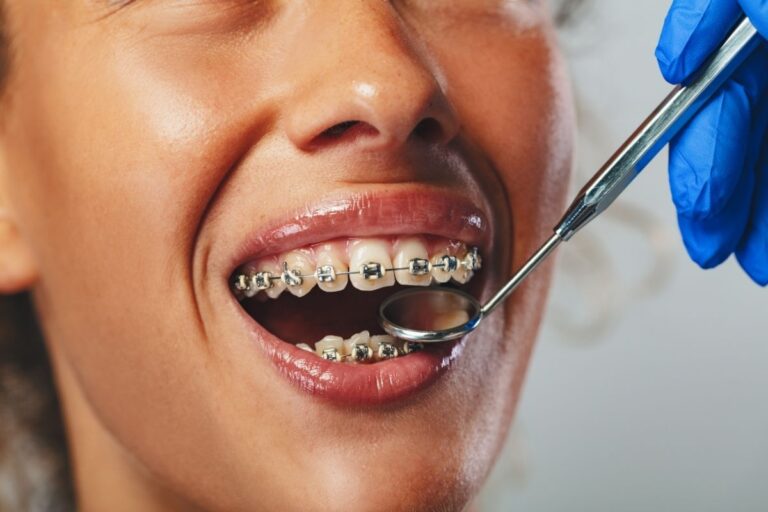
Braces are more than a set of brackets and wires. They are a step-by-step plan designed to shape your smile with care, precision, and close supervision. When these orthodontic appliances fit correctly, teeth move in a safe, controlled direction that protects your bite and your long-term oral health. But this perfect fit doesn’t just happen on its own. It comes from detailed planning, hands-on adjustments, and clear guidance from your orthodontic provider.
At the start of treatment, many people wonder how the orthodontist keeps everything aligned. This is where the attention and support from an orthodontist in Brooklyn play a major role. With the right approach, tooth aligners become a system that works gently and consistently throughout the entire journey.
How Do Orthodontists Prepare Your Smile Before Placing Braces?
Before a single bracket touches your tooth, the orthodontic professional studies your mouth as a whole. They look at tooth angles, spacing patterns, gum health, and the way your upper and lower teeth meet. These details tell them how the aligners should be placed and how much pressure your teeth can handle.
Digital scans, photos, and X-rays help create a map of your smile. This map is used to plan bracket placement and treatment steps with accuracy. When the foundation is strong, the braces work more smoothly, and your long-term dental care becomes easier to maintain.
How Are Brackets Positioned for a Precise Fit?
Bracket placement is the most important stage of the entire process. Each one has a specific height, angle, and position that is chosen based on your tooth shape. No two smiles are the same, and the orthodontist uses tools and markers to make sure every bracket lines up exactly where it needs to be.
A Brooklyn orthodontist checks this placement from several angles to avoid even tiny errors. A bracket positioned a little too high or too low can alter how a tooth moves, affecting the entire plan. Precision also helps shape the expected time span for Orthodontic Treatment, because the more accurate the placement, the smoother the movement.
How Do Orthodontic Professionals Check Wire Fit and Make Adjustments?
After placing the brackets, the orthodontist adds the archwire, which guides the teeth. During each follow-up visit, they check whether the wire sits comfortably in each bracket slot. They may adjust bends, change the wire type, or tighten certain areas to keep the movement balanced.
These adjustments are gentle but important. They help reshape your bite and ensure the aligners continue to work at every stage. The orthodontist also smooths any sharp spots so the inside of your mouth stays comfortable between visits.
How Is Progress Monitored Throughout Treatment?
Monitoring is one way orthodontists ensure the orthodontic appliances continue to fit correctly. Teeth do not move at the same speed, and sometimes they rotate or shift in ways that require small changes. Progress checks help our orthodontist in Brooklyn see how the braces are working and whether any adjustments are needed.
They check for changes in spacing, bite improvement, tooth position, and how your mouth responds to pressure. If movement slows or becomes uneven, they adjust a wire or reposition a bracket. These refinements help keep your smile on track and prevent delays.
What Suggestions Help Patients Maintain a Perfect Fit?
Even the most precise aligners need the right support at home. Your orthodontist may remind you to avoid biting into hard foods, chewing on ice, or eating anything sticky that could remove brackets. Clean aligners move teeth more consistently, so brushing and flossing with care are essential parts of your routine.
You may also be asked to wear rubber bands. Wearing them on time is a key part of bite correction. Small daily habits have a big impact on your results and help support ongoing dental care throughout the treatment period.
How Do Orthodontists Refine the Fit as Teeth Begin to Shift?
As teeth move, the shape of your smile changes. Spaces open, angles shift, and your bite begins to settle. This is the phase when the orthodontist makes mid-treatment adjustments to fine-tune alignment. An orthodontic professional may change the wire thickness, adjust bracket angles, or add elastics to guide your teeth into their final positions.
These refinements shape the finishing touches of your smile. Each minor adjustment contributes to a balanced bite and helps your braces complete their job with precision.
Bringing Your Treatment Together With Precision and Care
The perfect fit of aligners comes from the careful work your orthodontist performs at every visit—planning, placing, adjusting, and refining. Every step helps protect your teeth and support a safe, predictable treatment journey. When you trust a dedicated dental clinic, you receive steady guidance, clear instructions, and ongoing care from the beginning until the final stage of treatment. Book your visit if you are ready for orthodontic support that feels personal, steady, and reassuring at Metropolitan Dental Arts and take the next step toward a confident smile.