Early Detection Makes All the Difference
Oral cancer is far more treatable when it’s caught early, but in its earliest stages, it often doesn’t cause any pain or obvious symptoms. That’s exactly why an oral cancer screening is built into every routine visit at Metropolitan Dental Arts rather than something patients have to request separately. Patients throughout Williamsburg, Greenpoint, and the wider Brooklyn area receive this screening as a standard part of their cleaning and exam, with no extra step or added time in the chair. It’s a simple habit that can make an outsized difference if something is ever found.
Schedule Your Screening and ExamWhat an Oral Cancer Screening Looks For
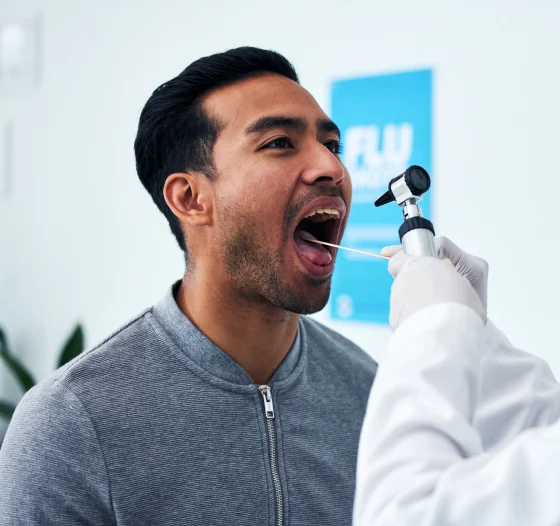
During a screening, the dentist examines your lips, cheeks, tongue, the roof and floor of your mouth, and the back of your throat for anything unusual. That includes lumps, sores that haven’t healed, patches of white or red tissue, and any noticeable swelling or discoloration. The dentist may also gently feel the tissue in your mouth, jaw, and neck to check for irregularities that aren’t visible on the surface. Because many of these changes are painless in the early stages, a trained eye during a routine visit is often the first thing to catch them. The entire process typically takes just a couple of minutes.
Signs Worth Bringing Up Between Visits
While routine screenings are the best line of defense, it’s worth knowing what to watch for on your own between appointments.
- A sore or ulcer in the mouth that hasn’t healed within two weeks
- A lump, thickening, or rough spot on the lips, gums, or inside the cheeks
- White or red patches on the gums, tongue, or lining of the mouth
- Persistent numbness, pain, or tenderness anywhere in the mouth or face
- Difficulty chewing, swallowing, or moving the jaw or tongue
None of these signs automatically mean something serious, but they’re worth having checked rather than waiting for your next scheduled visit.
What to Expect During Your Screening
An oral cancer screening is quick and completely painless, and most patients barely notice it’s happening as part of their regular visit. Here’s what the process involves.
01. Visual Examination
The dentist looks closely at your lips, cheeks, gums, tongue, and the roof and floor of your mouth, checking for any discoloration, sores, or unusual texture.
02. Checking the Throat and Tonsils
The back of your mouth and throat are also examined, since changes here aren’t always visible without a closer look.
03. Physical Palpation
Using gentle pressure, the doctor feels the tissue of your jaw, neck, and the floor of your mouth to check for lumps or swelling that might not be visible.
04. Reviewing Any Findings
If anything unusual is noticed, we explain what was found and discuss next steps, which may include monitoring the area or a referral for further evaluation.
05. Back to Your Regular Visit
If nothing concerning is found, which is true for the vast majority of patients, the screening wraps up, and your appointment continues as normal.
Why We Screen at Every Visit
Oral cancer can affect anyone, including patients with no history of tobacco or alcohol use, which are the risk factors most commonly associated with it. Building a screening into every routine visit means it’s never something a patient has to remember to ask for or worry they’re overreacting by requesting. It also means any changes in your mouth are being tracked over time by the same team, rather than relying on an isolated look during an occasional visit.
For patients with a higher personal or family risk, our dentists can also discuss how often additional monitoring might be worthwhile. Consistency is what makes early detection actually work, and it’s why this step is never treated as optional.
Schedule Your Exam and Screening
An oral cancer screening is already included with your routine visit, so there’s no extra step needed on your part. Book online or call our dental office in Brooklyn to schedule your next cleaning and exam.
Book OnlineFrequently Asked Questions About Oral Cancer Screenings
No. An oral cancer screening at Metropolitan Dental Arts is a quick visual and physical exam that causes no discomfort and is usually completed during a routine dental visit.
Most patients are screened during routine cleanings and exams, often every six months. This allows the Metropolitan Dental Arts team to check for changes regularly without requiring a separate appointment.
Possible warning signs include a sore that does not heal within two weeks, red or white patches, unexplained lumps, persistent numbness, or ongoing pain in the mouth or throat. These symptoms do not always indicate cancer, but they should be evaluated promptly.
Yes. Tobacco and alcohol use are major risk factors, but oral cancer can affect people without a history of either. Routine oral cancer screenings are important for adults throughout Williamsburg, Greenpoint, Bushwick, and nearby Brooklyn communities.
The dentist will explain what was noticed and discuss the appropriate next step. This may involve monitoring the area, scheduling a follow-up exam, or referring you to a medical specialist for further evaluation.
Oral cancer screenings are often included as part of a standard dental exam and may be covered under routine preventive benefits. Our team can help patients at Metropolitan Dental Arts review their specific insurance coverage.
Yes. If you notice a sore that is not healing, a lump, a color change, or another concern between visits, contact our Williamsburg dental office to schedule an exam.
Risk may increase with tobacco use, heavy alcohol use, HPV exposure, prolonged sun exposure to the lips, and age. However, anyone can develop oral cancer, which is why Metropolitan Dental Arts includes routine screenings as part of preventive dental care.