
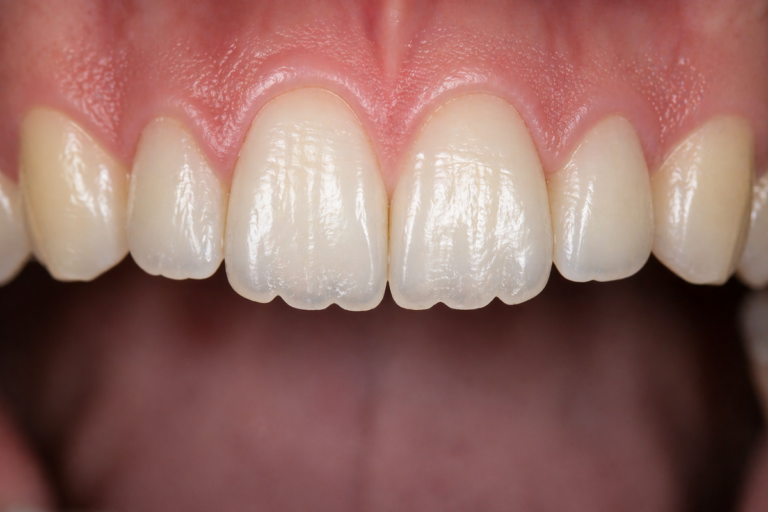
When you look closely at your front teeth, you may notice small bumps or ridges along their edges. If you have never noticed them before, it is understandable to wonder whether they are signs of chipped enamel, tooth damage, or another dental problem. In many cases, these small bumps are mamelons, a completely normal feature of tooth development. Mamelons are most commonly visible when permanent front teeth first erupt, but they can sometimes remain well into adulthood.
For some adults, retained mamelons are simply a natural characteristic of their teeth. For others, their appearance may make them feel self-conscious about their smile. Understanding why mamelons occur and when treatment may be appropriate can help you decide whether you need dental care or simply reassurance.
What Are Mamelons?
Mamelons are small, rounded projections that appear along the biting edges of permanent front teeth, particularly the incisors. Permanent front teeth develop from several growth areas. As the tooth forms and eventually erupts through the gums, these areas can create three small bumps along the edge. These bumps are known as mamelons.
They are a normal part of tooth anatomy and are not caused by:
- Tooth decay
- Weak enamel
- Poor oral hygiene
- Gum disease
- Tooth damage
In children and teenagers, mamelons often become less noticeable over time. Everyday activities such as biting and chewing create natural contact between the upper and lower front teeth, gradually smoothing the edges. However, this natural wear does not happen to everyone.
Are Mamelons Normal on Adult Teeth?
Yes. Mamelons on adult teeth are usually completely normal. Some adults naturally retain these small ridges because their front teeth have not experienced enough contact or friction to wear them down. This can happen for several reasons, including differences in bite alignment or the way the upper and lower teeth come together.
Retained mamelons do not automatically mean that something is wrong with your teeth. They also do not typically cause pain or increase your risk of cavities. However, if you are unsure whether the bumps on your teeth are mamelons, having them examined by a dentist is a good idea. A professional evaluation can distinguish normal tooth anatomy from a chip, crack, excessive wear, or another dental concern.
Why Do Some Adults Still Have Mamelons?
Mamelons usually become smoother as teeth experience normal daily wear. When they remain visible during adulthood, there may be less contact between the front teeth.
Several factors can contribute to this.
Limited Contact Between Front Teeth
If your upper and lower front teeth do not regularly touch when you bite and chew, there may not be enough natural friction to smooth the mamelons.
Bite Alignment
Certain bite patterns can change how your front teeth contact one another. An open bite, for example, may prevent the upper and lower incisors from meeting normally.
Previous Orthodontic Treatment
Changes in tooth alignment after orthodontic treatment can sometimes make the shape of the front teeth more noticeable. Mamelons that were previously less visible may become easier to see once the teeth have been repositioned.
Natural Tooth Development
Sometimes, there is simply nothing abnormal about the way the teeth developed. Some people retain visible mamelons throughout adulthood without experiencing any functional problems.
Can Mamelons Be a Sign of a Bite Problem?
Not necessarily. Most adults with mamelons do not have an underlying dental problem. However, retained mamelons can sometimes prompt a dentist to take a closer look at how the teeth fit together.
For example, if the front teeth do not meet properly, our trusted dentist in Brooklyn, may evaluate whether an open bite or another alignment concern is affecting normal tooth contact. This does not mean that everyone with mamelons needs orthodontic treatment. Your dentist will consider your bite, tooth alignment, oral health, and individual concerns before recommending any treatment.
A comprehensive dental examination can help determine whether the mamelons are simply a cosmetic characteristic or whether they are connected to a functional concern.
Mamelons vs. Chipped Teeth: How Can You Tell the Difference?
Mamelons are sometimes mistaken for chipped teeth, especially when they are noticed suddenly.
There are some important differences.
| Feature | Mamelons | Chipped Tooth |
|---|---|---|
| Cause | Natural tooth development | Trauma, biting forces, or wear |
| Shape | Usually rounded and uniform | Often irregular or jagged |
| Teeth affected | Often several front teeth | Usually one tooth |
| Pain | Generally painless | May cause sensitivity or discomfort |
| Treatment | Often unnecessary | May require restorative treatment |
If one front tooth suddenly develops a rough edge after an accident, biting something hard, or experiencing trauma, do not assume it is a mamelon. A dental evaluation can determine whether the tooth has been chipped or fractured.
Do Mamelons Need to Be Removed?
Usually, no. If your teeth are healthy, your bite functions properly, and you are comfortable with the appearance of your smile, there may be no reason to change the mamelons. However, some adults choose cosmetic treatment because they prefer a smoother or more uniform appearance.
Your treatment options may include:
Enamel Contouring
Minor enamel contouring can smooth uneven edges and create a more balanced appearance. Because this involves reshaping natural enamel, it should only be performed after a dentist determines that doing so is safe and appropriate.
Dental Bonding
Dental bonding can be used to reshape or enhance the appearance of individual teeth. A tooth-colored composite material is applied to the tooth and carefully shaped to create the desired contour.
At Metropolitan Dental Arts, tooth bonding is one of the cosmetic options available for patients with chipped, damaged, or misshapen teeth.
Porcelain Veneers
If mamelons are part of a broader concern involving tooth shape, color, spacing, or proportions, porcelain veneers may be considered.
Veneers can cover the visible front surfaces of teeth and create a more consistent appearance. They are generally better suited to patients seeking broader smile improvements rather than simply removing a few small mamelons.
Orthodontic Treatment
If retained mamelons are associated with a bite or alignment concern, orthodontic treatment may be discussed. Correcting the underlying bite can sometimes be more appropriate than simply changing the appearance of the tooth edges.
When Should You See a Dentist About Mamelons?
Mamelons themselves usually do not require treatment. However, you should schedule an examination if you are uncertain about what you are seeing or if you notice a change in your teeth.
Consider seeing your dentist if you experience:
- A sudden change in tooth shape
- A sharp or rough tooth edge
- Tooth sensitivity
- Pain when biting
- Difficulty chewing
- A tooth that appears chipped or cracked
- Concerns about the appearance of your smile
A dentist can examine the tooth and determine whether the feature is a normal mamelon or something that requires treatment.
Cosmetic Dental Treatment for Mamelons and Uneven Teeth
For adults who are primarily concerned about the appearance of mamelons, cosmetic dentistry can offer conservative ways to create a smoother, more balanced smile. The right approach depends on the amount of reshaping needed and the condition of your teeth. Some patients may need nothing more than minor contouring, while others may benefit from bonding or veneers if they have additional cosmetic concerns. If you are considering cosmetic dental treatment, a consultation is an important first step. Your dentist can evaluate your enamel, bite, tooth proportions, and overall smile before recommending an option.
At Metropolitan Dental Arts, patients in Brooklyn can explore cosmetic options including dental bonding, porcelain veneers, teeth whitening, and other personalized smile treatments. The practice focuses on creating results that complement the patient’s natural smile rather than applying the same approach to everyone.
Conclusion
Mamelons on adult teeth are usually nothing to worry about. They are a natural part of tooth development and may remain visible when the front teeth do not experience enough natural wear to smooth them down. If you are happy with your smile and your teeth function normally, treatment may not be necessary. But if you are unsure whether you are seeing mamelons, a chipped tooth, or another dental concern, an examination can provide clarity.
And if the appearance of your teeth is affecting your confidence, modern cosmetic dental treatment can offer several ways to improve tooth shape and create a more balanced smile. The best treatment is the one that protects your oral health while addressing your individual smile goals. Schedule your appointment today!
Frequently Asked Questions
Do mamelons go away naturally?
In children and teenagers, mamelons often become less noticeable as normal biting and chewing create natural wear. In some adults, however, they remain visible because the front teeth do not experience enough contact to smooth them.
Are mamelons a sign of damaged teeth?
No. Mamelons are a normal developmental feature of permanent front teeth. They are different from chips or cracks caused by trauma, grinding, or other forms of tooth damage.
Can I remove mamelons at home?
No. Never file, sand, or reshape your teeth yourself. Removing enamel at home can permanently damage the tooth and potentially cause sensitivity or other dental problems. Any tooth reshaping should be performed by a qualified dental professional.
Can cosmetic dentistry remove mamelons?
Yes, depending on your teeth and overall smile goals. A dentist may consider conservative enamel contouring, dental bonding, or other cosmetic treatments when appropriate.
Do mamelons affect biting or chewing?
Usually, no. Mamelons themselves generally do not interfere with normal chewing. However, if the front teeth do not meet correctly, your dentist may evaluate whether an underlying bite or alignment issue is present.
Which teeth usually have mamelons?
Mamelons are most commonly found on permanent front teeth, particularly the incisors. They are generally not found on molars because those teeth develop with different shapes and biting surfaces.