
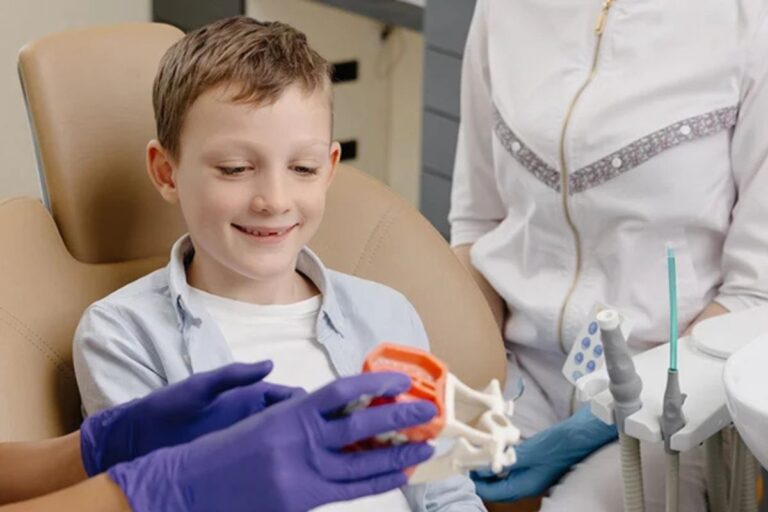
Many parents assume that because baby teeth eventually fall out, they do not need much attention. However, baby teeth play a much bigger role in your child’s health than many people realize. They help children chew comfortably, speak clearly, and guide permanent teeth into the correct position. Ignoring a cavity or injury in a baby tooth can lead to pain, infection, and future dental problems.
If you’re unsure whether your child’s baby tooth needs treatment, visiting a pediatric dentist is the best way to get the right answers. At Metropolitan Dental Arts, we provide compassionate dental care for kids and help Brooklyn families protect healthy smiles from infancy through the teenage years.
Why Baby Teeth Are More Important Than You Think
Although baby teeth are temporary, they have lasting effects on your child’s oral development. They serve several essential purposes during the early years of life.
Baby teeth help children:
- Chew food properly for healthy nutrition
- Learn to speak and pronounce words clearly
- Maintain space for incoming permanent teeth
- Support healthy jaw development
- Build confidence with a healthy smile
When a baby tooth is lost too early because of decay or injury, nearby teeth may shift into the empty space. This can make it harder for permanent teeth to erupt correctly and may increase the need for orthodontic treatment later.
When Does a Baby Tooth Need Treatment?
Not every baby tooth problem requires the same approach, but delaying treatment is rarely the best option. Our trusted pediatric dentist in Brooklyn can determine whether the tooth can be saved or if another treatment is more appropriate.
Common situations that require dental treatment include:
Cavities
Tooth decay is one of the most common childhood health conditions. Even a small cavity can become larger over time if left untreated.
Early treatment can:
- Prevent tooth pain
- Stop decay from spreading
- Preserve the baby tooth until it naturally falls out
Depending on the severity, your child’s dentist may recommend a filling or a pediatric crown.
Tooth Pain or Sensitivity
If your child complains that a tooth hurts while eating or drinking, it should never be ignored. Pain often signals that decay has reached deeper layers of the tooth or that an infection is developing. Prompt treatment helps relieve discomfort while protecting surrounding teeth and gums.
Dental Injuries
Children are active, and accidents happen. A fall on the playground or a sports-related injury can chip, crack, loosen, or even knock out a baby tooth. Even if the damage appears minor, it is important to have the tooth examined. Early evaluation helps determine whether treatment is needed and ensures the permanent tooth underneath has not been affected.
Infection or Swelling
Swollen gums, facial swelling, or a small pimple near the tooth may indicate an infection. These symptoms require immediate dental attention because untreated infections can spread and affect your child’s overall health.
What Happens If a Baby Tooth Is Not Treated?
Some parents hope the tooth will simply fall out before it causes problems. Unfortunately, untreated decay often worsens with time.
Ignoring dental treatment can lead to:
- Persistent toothaches
- Difficulty eating
- Trouble sleeping
- Dental abscesses
- Premature tooth loss
- Damage to developing permanent teeth
- Higher treatment costs later
Receiving timely dental care for kids can often prevent these complications and keep treatment simpler.
Common Treatments for Baby Teeth
Every child has unique dental needs, so treatment recommendations depend on the condition of the tooth and your child’s age.
A pediatric dentist may recommend:
Tooth-Colored Fillings
Small to moderate cavities can often be repaired with durable, natural-looking fillings that restore the tooth’s function.
Pediatric Dental Crowns
When decay is extensive, a crown may be placed over the baby tooth to protect it until it naturally falls out.
Pulp Therapy
If the inner portion of the tooth becomes infected but the tooth can still be saved, pulp therapy may help preserve it.
Tooth Extraction
In some cases, removing a severely damaged or infected baby tooth is the healthiest option. If necessary, your dentist may recommend a space maintainer to help preserve room for the permanent tooth.
How Parents Can Help Prevent Baby Tooth Problems
Prevention remains the best way to avoid dental treatment whenever possible.
Healthy habits include:
- Brushing twice daily with fluoride toothpaste
- Flossing once teeth begin touching
- Limiting sugary snacks and drinks
- Drinking plenty of water
- Scheduling regular dental checkups
- Encouraging healthy eating habits
Routine preventive visits allow your child’s dentist to identify concerns before they become more serious.
When Should Your Child First Visit the Dentist?
The American Academy of Pediatric Dentistry recommends scheduling a child’s first dental visit by their first birthday or within six months after the first tooth appears. Starting dental visits early helps children become comfortable with the dental office while giving parents valuable guidance on brushing, nutrition, teething, and cavity prevention. Regular visits also allow the dental team to monitor growth and development throughout childhood.
Protect Your Child’s Smile Early
Baby teeth may be temporary, but the role they play in your child’s development is lasting. Treating cavities, injuries, and infections early helps preserve oral health, supports proper growth, and reduces the risk of future complications.
If your child is experiencing discomfort or it’s time for a routine visit, scheduling an appointment with a trusted pediatric dentist in Brooklyn can help keep their smile healthy today and set the foundation for strong permanent teeth tomorrow. Metropolitan Dental Arts is proud to provide compassionate, comprehensive dental care for children throughout the Brooklyn community.
FAQs
1. Do baby teeth really need dental treatment if they are going to fall out?
Yes. Baby teeth help your child chew, speak, and hold space for permanent teeth. Treating cavities or injuries early can prevent pain, infection, and future alignment problems.
2. How do I know if my child needs to see a pediatric dentist?
If your child has tooth pain, sensitivity, swelling, a chipped tooth, visible cavities, or has experienced a dental injury, it’s a good idea to schedule a visit with a pediatric dentist. Regular checkups every six months are also recommended.
3. What happens if a cavity in a baby tooth is left untreated?
An untreated cavity can grow larger, causing pain, infection, difficulty eating, and even premature tooth loss. It may also affect the development and positioning of permanent teeth.
4. Can a pediatric dentist fill cavities in baby teeth?
Yes. A pediatric dentist can restore baby teeth with tooth-colored fillings or other appropriate treatments, depending on the extent of the decay. Saving the tooth is often the preferred option whenever possible.
5. When does a baby tooth need to be removed?
A baby tooth may need to be extracted if it is severely decayed, badly damaged, or infected beyond repair. Your dentist will only recommend removal when it is the healthiest option for your child.
6. At what age should my child first visit a pediatric dentist?
Children should have their first dental visit by their first birthday or within six months after their first tooth erupts. Early visits help establish healthy habits and allow dentists to monitor oral development.
7. How can parents help prevent cavities in baby teeth?
Parents can reduce the risk of cavities by brushing their child’s teeth twice a day with fluoride toothpaste, flossing daily, limiting sugary foods and drinks, encouraging water consumption, and scheduling routine dental checkups.