
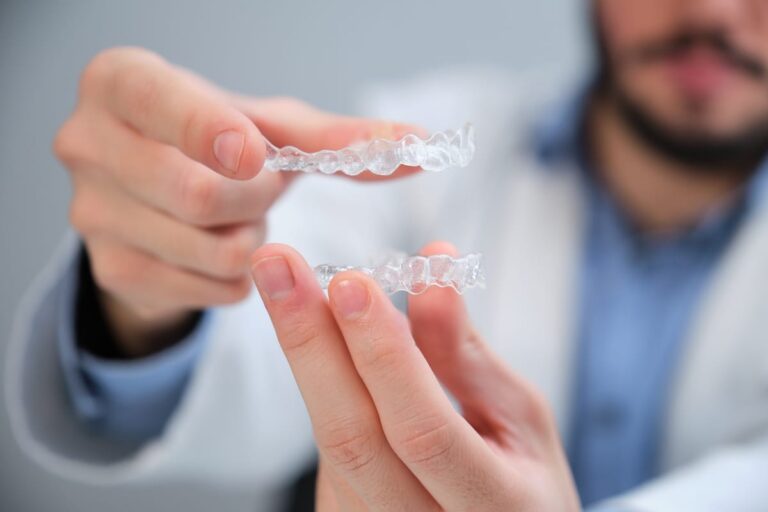
If you’ve been researching clear aligners, you’ve probably noticed that pricing varies sometimes significantly. Understanding what really drives your clear aligner cost is the first step toward making a confident, informed decision. At Metropolitan Dental Arts, Dr. Keith J. Heller believes every patient deserves a transparent explanation before committing to treatment. This breakdown covers the key factors that shape the total investment in your smile.
Why Clear Aligner Costs Vary So Much
Clear aligner treatment is not a one-size-fits-all solution. Each patient’s mouth is unique, and the complexity of your case is the single biggest driver of cost. A patient with mild spacing issues will need far fewer aligners than someone correcting a significant bite problem. Beyond complexity, the brand and technology used also influence pricing. Some systems offer more precise digital planning tools, which can improve outcomes but may carry a higher price point. Dr. Heller uses a thorough diagnostic process to determine which approach suits your specific needs.
Location matters too. Dental practices in metropolitan areas like Brooklyn tend to reflect higher operating costs. That said, quality care in Brooklyn is accessible and understanding what you’re paying for makes all the difference.
Case Complexity: The Biggest Cost Factor in Your Clear Aligner Treatment
Case complexity is the foundation of any clear aligner cost breakdown. Mild cases like minor crowding or small gaps typically require fewer trays and less treatment time. More involved cases, such as significant overbites, underbites, or rotations, demand more precision and more aligners. Dr. Heller evaluates each patient using digital X-rays and 3D imaging. This allows him to map out every movement your teeth need to make. The more movements required, the more aligners are needed and that directly affects your overall investment.
Some patients also have skeletal issues that aligners alone cannot fully correct. In those cases, additional treatment planning is required. Knowing your case complexity upfront helps set realistic expectations from the start.
- Mild cases: Minor crowding or small gaps, fewer trays needed
- Moderate cases: Multiple teeth require movement, mid-range aligner count
- Complex cases: Bite correction or significant rotation, more aligners and time
- Combined treatment: May involve other dental work alongside aligners
Number of Aligners and Treatment Duration
Each set of aligners moves your teeth a small, precise amount. The total number of trays in your treatment plan directly reflects how much tooth movement is needed. More trays mean a longer treatment duration and a higher overall cost. A straightforward case might involve as few as 10–20 sets of aligners. A complex full-mouth correction could require 40 or more. Dr. Heller outlines the estimated tray count during your consultation so you understand exactly what’s involved. Treatment duration also affects how often you visit the office for progress checks. Regular monitoring ensures your teeth are tracking correctly. These appointments are typically included in your overall treatment plan at Metropolitan Dental Arts.
Refinements: What They Are and Why They Matter
Even with precise digital planning, teeth don’t always move exactly as predicted. Refinements are additional aligners created mid-treatment to fine-tune your results. They are a normal and expected part of many clear aligner journeys. Some providers include a set number of refinements in the original treatment fee. Others charge separately for each round. It’s important to ask about this upfront so you’re not surprised by additional costs later in your treatment.
At Metropolitan Dental Arts, Dr. Heller discusses the refinement policy during your initial consultation. Transparency matters; you should never feel blindsided by unexpected fees during your smile transformation.
- Refinements correct minor tracking issues during treatment
- They may extend your treatment timeline by a few weeks or months
- The need for refinements varies by individual case
- Ask whether refinements are included or billed separately before you begin
Additional Factors That Influence Your Total Investment
Beyond complexity and aligners, a few other elements can influence your total cost. Pre-treatment dental work is one example. If you have cavities, gum issues, or old restorations that need attention, those must be addressed before aligner treatment begins. Retainers are another often-overlooked expense. Once your active treatment ends, retainers keep your teeth in their new positions. Failing to wear them can cause teeth to shift back, potentially requiring retreatment. For families considering clear aligners for younger patients, it’s worth noting that teen-specific aligner systems exist. These are designed with developing mouths in mind. If your child needs orthodontic guidance, our pediatric dentistry team can help determine the right timing and approach.
Many patients also combine aligner treatment with cosmetic dentistry services like teeth whitening for a complete smile refresh. Bundling services sometimes offers better overall value than pursuing treatments separately.
How to Get a Clear and Accurate Cost Estimate
The only way to get an accurate cost estimate is through a proper consultation. A general online quote cannot account for your unique dental anatomy, case complexity, or treatment goals. An in-person evaluation is the only reliable starting point. During your consultation at Metropolitan Dental Arts, Dr. Heller will review your digital scans, discuss your smile goals, and walk you through a personalized treatment plan. You’ll leave with a clear picture of what treatment involves and what it will cost no guesswork.
Brooklyn patients appreciate this straightforward, educational approach. The goal is to empower you to make the best decision for your smile and your life. Understanding what really drives your clear aligner cost in Williamsburg helps you plan with confidence and avoid surprises. Dr. Keith J. Heller and the Metropolitan Dental Arts team are here to guide you every step of the way. Book Now to schedule your appointment with our team.
Frequently Asked Questions
What is the biggest factor that affects clear aligner cost?
Case complexity is the primary driver. The more tooth movement required, the more aligners are needed, which increases both treatment time and overall cost. A thorough consultation with Dr. Heller will clarify where your case falls on the complexity scale.
Are refinements always included in the treatment price?
Not always. Some clear aligner providers include a set number of refinement rounds in the base fee, while others charge separately. It’s essential to ask about the refinement policy before you begin treatment so you can plan accordingly.
Do I need any pre-treatment dental work before starting clear aligners?
It depends on your current oral health. Issues like untreated cavities or gum disease must be resolved before aligner treatment begins. Dr. Heller will identify any pre-treatment needs during your initial evaluation at Metropolitan Dental Arts.
How long does clear aligner treatment typically take in Williamsburg?
Treatment duration varies based on case complexity and the number of aligners required. Mild cases may wrap up in several months, while more complex cases can take a year or longer. Your personalized treatment plan will include a realistic timeline estimate.
Can teenagers use clear aligners?
Yes. There are aligner systems specifically designed for teen patients, which account for still-developing teeth. Our Pediatric Dentistry team can help determine whether a younger patient is a good candidate and when the right time to begin treatment would be.