
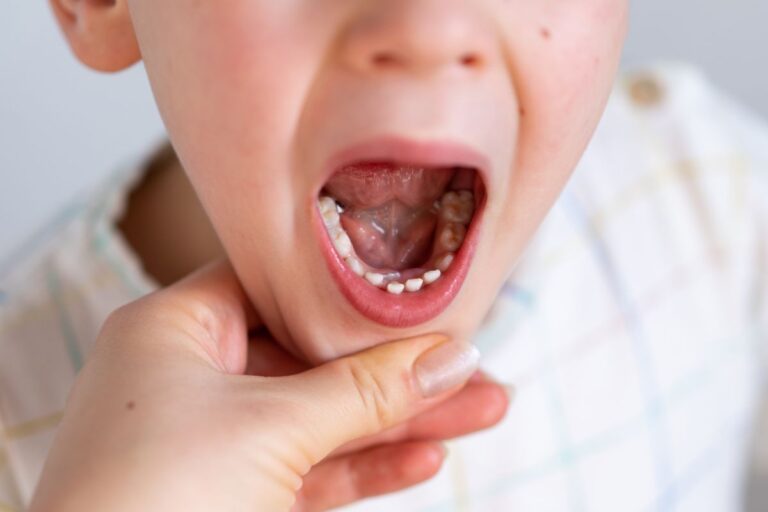
Watching your child grow comes with countless milestones, from their first smile to their first steps and eventually their first day of school. Dental development has its own set of important milestones, too. Knowing when baby teeth typically appear, when your child should first see a pediatric dentist, and when permanent teeth begin to emerge can help you stay ahead of potential problems. You may have heard of the “Rule of 7” in pediatric dentistry, which uses age seven as a memorable point for thinking about children’s dental development.
While it can be a helpful way for parents to remember certain stages, it should not be treated as a strict clinical rule. Every child’s teeth develop at their own pace. For parents in Brooklyn, establishing a dental home early can make it easier to monitor your child’s oral development, prevent cavities, and address concerns before they become more complicated.
7 Important Dental Milestones Every Parent Should Know
1. Around 6 to 12 Months: The First Tooth Appears
Most children begin developing their first teeth during infancy, although the exact timing can vary considerably. Once that first tooth appears, it is important to begin caring for it. Before teeth erupt, parents can gently wipe their baby’s gums with a clean, soft cloth. Once teeth emerge, use a small, soft-bristled toothbrush and an age-appropriate amount of fluoride toothpaste. This is also the time to plan your child’s first dental visit if you have not already done so.
The goal is not simply to check whether a tooth has appeared. An early appointment gives a pediatric dentist an opportunity to evaluate your child’s oral development and help you establish healthy habits from the beginning.
2. By Age 1: Establish a Dental Home
Your child’s first birthday is an important dental milestone. By this point, your child should have had their first dental examination, even if they only have a few teeth. The appointment can give parents an opportunity to ask questions about brushing, feeding habits, fluoride, thumb sucking, pacifiers, and the risk of early childhood cavities. A dental home also provides a consistent place where your child’s oral health can be monitored as they grow.
For Brooklyn families, finding a trusted pediatric dentist in Brooklyn who can provide ongoing care means your child’s dental team can become familiar with their individual development rather than addressing problems only when something hurts.
3. Ages 2 to 3: Build Strong Brushing Habits
As toddlers become more independent, they may want to brush their own teeth. Letting them participate is a good way to build confidence, but they still need parental assistance and supervision. Children should generally brush twice a day with fluoride toothpaste. Parents should pay particular attention to areas that young children may miss, including the back teeth.
This stage is also important for developing healthy eating habits. Frequent exposure to sugary foods and drinks can increase the risk of tooth decay. Routine dental visits allow a pediatric dentist to monitor your child’s teeth while reinforcing these habits in a way that is appropriate for their age.
4. Ages 3 to 5: Protect Primary Teeth
By the preschool years, many children have most or all of their primary teeth. It can be tempting to think that cavities in baby teeth are not very important because those teeth will eventually fall out. However, primary teeth play important roles in chewing, speaking, maintaining space, and guiding the developing permanent teeth. Untreated decay can cause pain, infection, difficulty eating, and other complications.
A pediatric dentist can identify early signs of tooth decay and recommend preventive or restorative treatment when appropriate. Depending on your child’s individual needs, preventive care may include professional fluoride treatments, regular examinations, and dental sealants.
5. Ages 5 to 6: Prepare for Permanent Teeth
As children approach school age, their mouths begin entering another major stage of development. Baby teeth may start becoming loose as permanent teeth develop underneath them. Children may also begin losing their front baby teeth around this period, although the timing varies. Parents should continue helping their children maintain good brushing habits while paying attention to changes in the mouth.
If a tooth seems unusually loose, a permanent tooth appears before a baby tooth falls out, or your child’s teeth appear crowded or out of position, mention the concern during the next dental visit. Monitoring these changes is one of the reasons regular dental examinations are important throughout childhood.
6. Around Age 6: Watch for the First Permanent Molars
One of the most significant dental changes around age six is the arrival of the first permanent molars. These teeth erupt behind the baby teeth and are not replacements for them. Because they are permanent teeth, protecting them from decay is especially important. The grooves and pits on the chewing surfaces of molars can sometimes collect food and bacteria, making them difficult to clean thoroughly.
Depending on your child’s cavity risk and the characteristics of their teeth, a dentist may recommend dental sealants as part of a preventive care plan. AAPD guidance includes sealant placement among preventive services that may be considered according to individual needs. Parents should make sure children understand that these new molars need the same careful brushing as their other teeth.
7. Around Age 7: Evaluate Tooth and Jaw Development
This is where the original “7 at 7” concept becomes particularly useful. Around age seven, a child’s mouth has usually undergone enough development for a dentist to evaluate how the teeth are erupting and how the bite is developing. This does not mean that every seven-year-old needs braces or orthodontic treatment.
Instead, an examination can help identify concerns such as:
- Significant crowding
- Crossbite
- Developing bite problems
- Unusual eruption patterns
- Problems with spacing
- Jaw development concerns
- Teeth that may have difficulty erupting properly
AAPD guidance includes monitoring developing malocclusions and adjusting care according to the individual child’s development and needs. If a concern is identified, your dentist can determine whether monitoring is appropriate or whether an orthodontic evaluation would be beneficial.
Why the Rule of Seven Matters?
This regulation allows parents and dental professionals to work together to prevent problems before they become serious. Following this timeline makes you more likely to avoid complications like overcrowding, improper bite development, and unnecessary treatments later in life.
Moreover, for families in Brooklyn, establishing good habits early on is crucial. Teaching your child to brush with fluoride toothpaste twice daily, limiting sugary snacks, and drinking fluoridated water contribute to strong, healthy teeth. Remember, supervision is key, especially for children under six, as they build their brushing skills at this age.
Tips for Supporting Early Dental Health
For Infants
- Wipe gums with a soft cloth in the morning and before bed
- Use a small soft-bristled brush once teeth erupt
- Schedule a dental checkup by their first birthday
For Children
- Brush twice daily using fluoride toothpaste
- Monitor and assist brushing until brushing skills improve
- Talk to your dentist about sealants and fluoride treatments
For All Ages
- Stick to a daily oral hygiene routine
- Avoid frequent sugary snacks and drinks
- Visit the dentist regularly for cleanings and checkups
- Encourage hydration with tap water that contains fluoride
- Monitor for signs of gum bleeding or discomfort, and consult your dentist if issues arise
Pediatric Dental Care for Brooklyn Families
For Brooklyn parents, choosing the right dental home is about more than finding a convenient appointment. You want a dental team that understands how children’s oral health changes from infancy through adolescence. Metropolitan Dental Arts provides pediatric dental care for children and teens, including preventive examinations, fluoride treatments, sealants, fillings, and other age-appropriate services. The practice’s pediatric dental team focuses on helping children feel comfortable while monitoring their developing teeth and oral health.
Dr. Abhinav Sinha serves as a pediatric dentist at Metropolitan Dental Arts and has extensive experience in pediatric dental medicine, including care for children with special healthcare needs and complex oral rehabilitation. For families looking for a trusted pediatric dentist in Brooklyn, establishing care early can give your child a consistent dental team to turn to as their smile develops.
Give Your Child’s Smile a Healthy Start
Dental development does not follow an exact calendar. Some children get their first tooth earlier, while others reach certain milestones later. What matters most is knowing what to watch for and maintaining regular professional dental care throughout childhood. From the first tooth to the first permanent molars and the developing bite around age seven, each stage gives parents an opportunity to protect their child’s oral health.
If you are looking for a pediatric dentist in Brooklyn, Metropolitan Dental Arts provides comprehensive pediatric dental care in a welcoming environment designed to help children feel comfortable. Schedule an appointment to give your child a strong foundation for a healthy smile.
FAQs
When should my child first see a pediatric dentist?
Your child should have their first dental examination when the first tooth appears and no later than their first birthday. Early dental care allows the dentist to assess oral development, identify cavity risks, and provide parents with personalized guidance.
Is it normal for a baby’s first tooth to appear after seven months?
Yes. Seven months should not be treated as a strict deadline for the first tooth. Children develop at different rates, and tooth eruption can vary. What matters is beginning appropriate dental care when teeth appear and scheduling the first dental visit by age one.
How often should my child see a pediatric dentist?
The appropriate schedule depends on your child’s oral health, cavity risk, age, and individual needs. Many children receive routine dental examinations approximately every six months, while some children may need visits more frequently. Your child’s dentist can recommend an appropriate schedule.
When do children get their first permanent molars?
The first permanent molars commonly begin erupting around age six. These teeth are important to protect because they remain in the mouth for life. Your child’s dentist can assess whether preventive measures such as sealants may be appropriate.
Does my seven-year-old need an orthodontic evaluation?
Not necessarily. Around age seven can be a useful time to evaluate tooth eruption, bite development, spacing, and other orthodontic concerns. If your child’s dentist identifies a potential problem, they can recommend whether an orthodontic evaluation is appropriate.
What are signs that my child should see a pediatric dentist sooner?
Persistent tooth pain, swelling, visible decay, dental injuries, sensitivity, bleeding, difficulty chewing, or concerns about tooth eruption are all reasons to contact your child’s dentist rather than waiting for a routine appointment.