

Periodontal disease, or gum disease, is a serious oral health condition that affects millions of people and can lead to bone loss, tooth loss, and other health problems if left untreated. For many patients in Brooklyn, the early stages of gum disease can be managed with non-surgical treatments like deep cleaning or scaling. But as the disease progresses, these options may no longer be enough to stop the damage.
If you’re noticing ongoing symptoms such as bleeding gums, loose teeth, or gum recession, it may be time to explore surgical options to control the disease and restore your oral health. Acting early can help prevent further complications and protect not only your smile but your overall well-being.
What is Periodontal Disease?
An infection of the gums and the tissues that support the teeth is known as periodontal disease. It starts with plaque buildup, which hardens into tartar if not removed by regular brushing and flossing. Tartar harbors harmful bacteria that can irritate the gums, leading to gingivitis (the earliest stage of gum disease).
If not treated at this stage, gingivitis can progress to periodontitis, causing severe damage to the gum tissue and bone that support the teeth. Common signs include bad breath, gum inflammation, and tooth sensitivity. If left unchecked, periodontal disease can result in tooth loss and other systemic health problems.
Can Surgery Help in Treating Periodontal Disease?
Surgery may become viable when non-surgical treatments fail to control gum disease. In advanced cases, surgery may be needed to access deep pockets of infection and repair the damage caused by the disease.
While surgery may seem daunting, it offers significant benefits:
- Halts disease progression: Effectively stops periodontal disease from worsening.
- Prevents complications: Reduces the risk of further complications like tooth loss or systemic infections.
- Targets hard-to-reach areas: Addresses pockets that are difficult to clean with traditional methods.
- Provides a fresh start: Offers a clean slate for maintaining good oral health.
The Goals of Periodontal Surgery are:
- Reducing pocket depth: Deepens the gum pockets, promoting healthy tissue growth.
- Eliminating infection: Removes bacteria and promotes healing.
- Tackling bacterial hotspots: Targets areas where bacteria thrive.
Important to note:
- Surgery is not a cure: While it can significantly slow down the disease, it doesn’t eliminate it entirely.
- Prevention is key: Even after surgery, maintaining good oral hygiene and regular dental check-ups is essential.
Post-Surgery Care for Long-Term Success
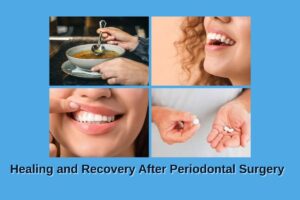
Following the post-operative care instructions of your dentist after surgery is critical to ensuring proper healing and long-term success. Maintaining excellent oral hygiene habits, such as brushing and flossing, along with regular dental visits, will help prevent the recurrence of gum disease. It’s also essential to follow a balanced diet and avoid habits like smoking. It can interfere with the ability to heal your body.
Patients who undergo surgery should be aware that regular maintenance and follow-up care are crucial to ensuring effective treatment. Your dentist or periodontist will guide you on how to care for your gums post-surgery. It may recommend specific tools like interdental brushes or water flossers to keep your gums clean and healthy.
Managing Expectations for Recovery
- Recovery time: Most patients can resume normal activities within a few days, but complete recovery may take several weeks.
- Expected symptoms: Swelling and minor discomfort are common during healing.
- Post-surgery care: Follow your dentist’s guidelines for managing symptoms.
- Soft diet: Stick to a soft diet to avoid irritating the surgical site.
- Rest: Avoid strenuous activities to promote healing.
- Medications: Take prescribed medications as directed.
- Oral hygiene: Maintain good oral hygiene habits to prevent infection and promote healing.
- Regular check-ups: Schedule regular dental check-ups to monitor your gums and ensure the disease doesn’t return.
- Long-term benefits: With proper care, periodontal surgery can help you retain your natural teeth for years to come.
Final Thoughts on Surgery for Periodontal Disease
While surgery isn’t usually the first step in treating periodontal disease, it can be a powerful option for managing advanced cases. Surgical care can remove deep-seated infection, encourage tissue regeneration, and give your gums the best chance to heal and stay healthy. If non-surgical methods haven’t been enough, it may be time to discuss surgical options with your dentist.
Here in Brooklyn, we’re committed to helping patients protect their oral health and prevent further damage—because the sooner you take action, the better your chances for a healthy, lasting smile.
Consult a dentist to determine the best action and regain control of your gum health. Surgery could be the key to stopping gum disease and protecting your smile for the future. Reach out to Metropolitan Dental Arts today to discuss your treatment options.