
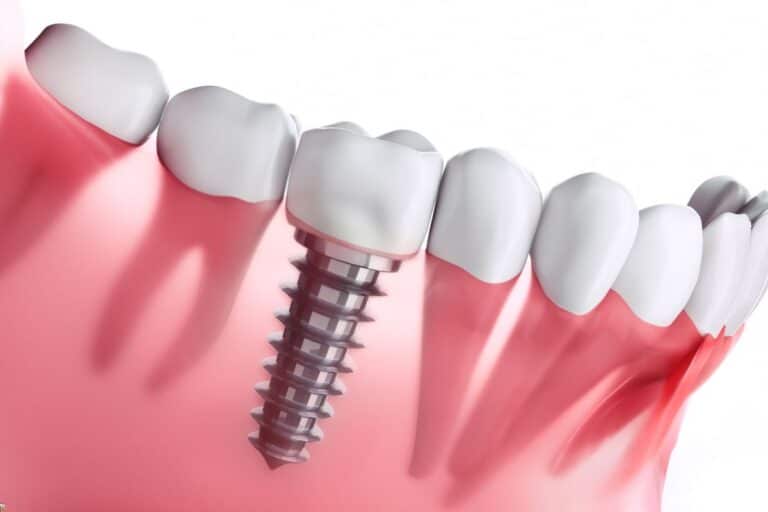
Dental implants are one of the most trusted solutions for replacing missing teeth, offering a natural look and long-lasting results. For patients here in Brooklyn, one important decision is whether to choose immediate dental implants placed right after tooth extraction or delayed implants, which are done after the area has fully healed. Understanding the pros and cons of each option can help you work with your dentist to choose the approach that’s best for your smile, your lifestyle, and your long-term oral health.
What Are Immediate Dental Implants?
Immediate dental implants are placed right after a tooth extraction, often during the same visit. This method eliminates the need for multiple surgeries and allows for a quicker restoration of your smile. Sometimes, a temporary crown is placed immediately, providing functional and aesthetic benefits until the permanent crown is ready.
Pros of Immediate Dental Implant Placement
Here are the perks of placing implants immediately.
Faster Treatment Time
Immediate implants reduce the overall treatment time since they are placed during the same appointment as the extraction. This can shorten the healing process and allow you to enjoy a restored smile much sooner.
Prevention of Bone Loss
When a tooth is extracted, the surrounding bone can begin to deteriorate over time. Immediate implants help preserve bone density by stimulating the jawbone, minimizing the risk of future bone loss.
Quicker Restoration of Functionality
With an immediate implant placement in Brooklyn, you don’t have to wait months for your new tooth. You can regain normal chewing and speaking functions immediately, enhancing your quality of life.
Fewer Surgical Procedures
By combining tooth extraction and implant placement into one procedure, patients avoid undergoing multiple surgeries. This reduces overall discomfort, healing time, and costs associated with separate treatments.
Cons of Immediate Dental Implant Placement
Expect the following consequences from this implant placement technique:
Higher Risk of Implant Failure
Immediate implants have a slightly higher risk of failure because they rely on the condition of the surrounding bone at the time of extraction. If there isn’t enough bone for support, the implant may not integrate well.
Not Suitable for Everyone
Immediate implants aren’t an option for everyone. If you have gum disease, infection, or insufficient bone density, your dentist may recommend delaying implant placement to ensure better results.
Possible Need for Bone Grafting
Even with immediate placement, some patients may require bone grafting to ensure the implant has enough support. This adds complexity to the procedure and can extend healing time.
What Are Delayed Dental Implants?
Delayed dental implants involve placing the implant several months after the tooth extraction. This method allows time for the extraction site to heal and the bone to regenerate before the implant is placed. It is often recommended when there is an infection or insufficient bone at the extraction site.
Pros of Delayed Dental Implant Procedure
You can enjoy these benefits by delaying implant placement.
Higher Success Rate
Delayed implants often have a higher success rate by allowing the extraction site to fully heal. This gives the bone time to recover and ensures a more stable environment for the implant.
Better Bone Integration
Since the bone has time to regenerate after extraction, delayed implants tend to integrate more securely with the jawbone. This improves the long-term stability and durability of the implant.
Fewer Complications
Patients with conditions such as infection, bone loss, or gum disease may benefit from delaying implant placement. Waiting allows for a more controlled and predictable outcome, minimizing the chances of complications.
Cons of Delayed Dental Implant Placement
There are certain limitations when you choose a delayed implant procedure.
Longer Treatment Timeline
The major drawback of delayed implants is the extended treatment time. After extraction, you may need to wait several months before the implant can be placed, prolonging the entire restoration process.
Need for Temporary Solutions
While waiting for your dental implant, you may need a temporary solution like a removable denture or a bridge to fill the gap. This adds an additional step to the process, requiring extra care and adjustments.
Multiple Surgical Procedures
Delayed implants require two separate surgeries. One for the extraction and another for the implant placement. This means a longer recovery period and potentially more discomfort during the healing process.
Factors to Consider When Getting Implants for You
Before choosing between immediate and delayed implant placement, consider the following factors:
Bone Health: The condition of your jawbone plays a crucial role in determining the best approach. If you have sufficient bone density, immediate placement might be an option. For patients dealing with bone loss, delayed placement with bone grafting may be necessary.
Overall Oral Health: Gum disease, infections, and other oral health issues can affect the success of an implant. Your dentist will evaluate your overall dental health to decide whether immediate or delayed placement is the safer choice.
Time Constraints: If you’re looking for a quicker solution, immediate implants have a shorter treatment timeline. However, if long-term success is your priority and you’re willing to wait, delayed placement might be the ideal option.
Choosing the Right Option
Choosing between immediate and delayed dental implants comes down to your oral health, lifestyle, and what matters most to you. Immediate implants can deliver faster results, while delayed implants typically offer stronger long-term success and integration. At our Brooklyn practice, we take the time to evaluate your needs, explain your options, and guide you toward the solution that best fits your smile goals, so that you can enjoy lasting function, comfort, and confidence. Schedule a consultation with Metropolitan Dental Arts; it will help you determine the best course of action based on your specific needs.