
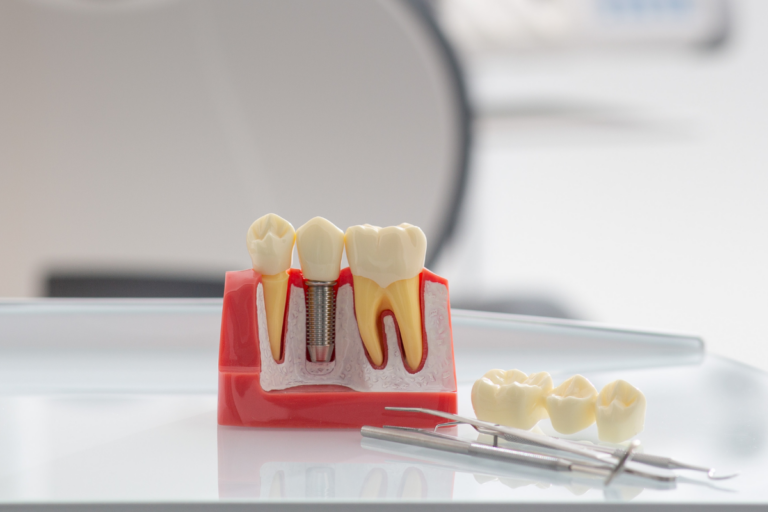
Some level of soreness after getting dental implants is completely normal, and most patients move through the first few days without any serious issues. But how do you know when that discomfort crosses a line? If you’re recovering from implant placement and wondering whether what you’re feeling is just part of the healing process or a sign that something needs attention, this guide walks you through exactly what to expect and when it’s time to pick up the phone and call your dentist.
What’s Normal After Dental Implant Placement?
Your mouth just went through a surgical procedure. Your body responds the way it always does, with inflammation, tenderness, and some swelling. That’s not a problem; that’s healing at work.
In the first 24 to 72 hours following implant placement, most patients experience mild to moderate soreness around the implant site, some swelling in the gum tissue and sometimes the cheek, minor bleeding that tapers off within the first day, jaw stiffness if the surgery involved the back teeth, and in some cases, light bruising on the gum or surrounding skin.
This discomfort is typically manageable with over-the-counter pain relievers like ibuprofen, and it should steadily improve with each passing day. By the end of the first week, most patients feel significantly better. The bone integration process, called osseointegration, continues quietly over the next several months and is something you generally won’t feel at all.
Pain That Signals a Problem
There is a real difference between healing discomfort and pain that is telling you something is wrong. Knowing which is which can make a meaningful difference in how quickly you get the right care.
1. Pain That Gets Worse Instead of Better
Healing pain follows a predictable pattern. It peaks around day two or three, then gradually fades. If your pain is intensifying after day four or five, or if it suddenly spikes after a period of improvement, that is worth a call to your dentist. This pattern can indicate infection, a loose implant, or nerve involvement that needs to be evaluated.
2. Persistent Throbbing or Pulsing Sensation
A deep, throbbing pain that doesn’t respond to over-the-counter medication can be a sign of infection or excessive pressure on the implant site. This is not something to wait out on your own.
3. Swelling That Spreads or Won’t Go Down
Localized swelling for the first two to three days is normal. However, if the swelling is spreading toward your neck, the floor of your mouth, or under your eye, seek care immediately. Similarly, swelling that peaks and stays the same past day five, or continues to worsen, needs to be evaluated by your dental provider.
4. Fever Following the Procedure
A low-grade fever right after surgery is not immediately alarming. A fever above 101°F, especially one that develops a few days after the procedure, is a sign that your body may be fighting an infection and needs prompt attention.
5. Numbness That Lingers
Some temporary numbness from the anesthetic is expected right after surgery. However, if numbness or tingling in your lip, chin, or tongue persists beyond 24 hours, it could indicate nerve proximity or irritation. Report this to your dentist right away rather than waiting for your next scheduled visit.
6. Movement or Looseness at the Implant Site
A properly placed implant should not move at any point during healing. Any sensation of rocking or shifting at the implant site, regardless of how far along you are in recovery, means something needs to be assessed. Early intervention in these situations dramatically improves outcomes.
What Is Implant Failure and How Common Is It?
Dental implant treatment in Brooklyn carries a very high success rate, typically above 95% when performed by an experienced provider. That said, complications can occur, and the most serious is implant failure, where the titanium post does not fuse properly with the jawbone.
Early failure generally happens within the first few months and is often tied to infection, inadequate bone density, or smoking. Late failure can occur years after placement and is usually linked to gum disease around the implant, ongoing bone loss, or physical trauma. Recognizing warning signs early and attending all scheduled follow-up visits are your two most effective tools for preventing either type of failure.
Peri-Implantitis: What It Is and Why It Matters
One of the most significant long-term risks following dental implant placement is peri-implantitis, an inflammatory condition that affects the gum tissue and bone surrounding the implant. It develops in a pattern similar to how gum disease develops around natural teeth, most often triggered by plaque buildup at the base of the implant crown.
Signs of peri-implantitis include red, swollen, or bleeding gums around the implant, visible bone loss that shows up on X-rays, increasing pocket depth measured during a dental exam, and persistent bad taste or breath that doesn’t resolve. When caught early, the condition can often be managed effectively. Left untreated, it leads to bone loss severe enough to compromise the implant entirely.
Recovery Habits That Make a Difference
The choices you make during the healing period have a direct impact on how smoothly things go. Avoiding smoking is one of the most important steps you can take, since it significantly impairs blood flow and raises the risk of implant failure. Sticking to soft foods during the first week, rinsing gently with warm salt water after the first 24 hours, and refraining from probing the implant site with your tongue or fingers all help protect the area as it heals.
If your dentist prescribed antibiotics, take the full course as directed, even if you start feeling better before it’s finished. And treat your follow-up appointments as a required part of the process, not optional checkboxes. These visits are how your provider confirms that osseointegration is progressing as it should and that there are no early signs of complications.
Conclusion
Recovering from dental implant placement takes patience, but it should never involve escalating pain or symptoms that feel out of proportion to what you were told to expect. Understanding what falls within the normal range of healing and what signals a need for professional attention puts you in a much stronger position throughout the process. With proper care, attentive follow-up, and a dental provider you trust, the vast majority of patients go on to enjoy the results of their implants for many years. If a question or concern ever comes up during your recovery, no matter how minor it seems, reaching out to your dentist is always the right place to start.
Have questions about your implant recovery or thinking about taking the first step toward replacing a missing tooth? Metropolitan Dental Arts in Brooklyn provides experienced, personalized care at every stage of the implant process. Whether you are exploring your options or are already in recovery and need guidance, the team is here to make sure you feel informed and confident. Visit us or call the office to request your appointment.