
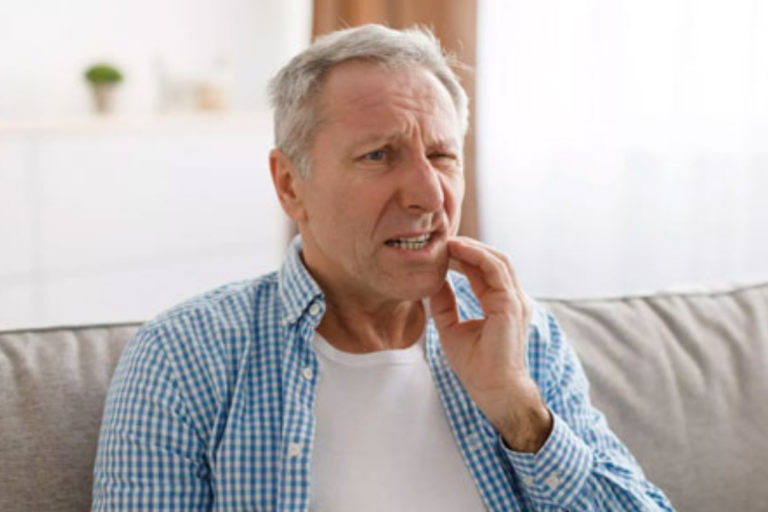
Dental emergencies can happen unexpectedly, from a chipped tooth during a sports game to a sudden toothache caused by an untreated cavity. When you’re in pain or discomfort, it’s important to seek immediate help from a professional for emergency dental treatment. Your oral health depends on how well you manage the situation before and after receiving urgent dental care.
If you’re in need of prompt care, look no further than Metropolitan Dental Arts. Our team of proficient dentists provides quality care in Brooklyn when a dental emergency strikes. Whether you’re dealing with a knocked-out tooth, cracked enamel, or a severe toothache, we’re here to help. Schedule your appointment today and let us guide you through the healing process.
Nevertheless, in this blog, we will explore which foods you should eat and avoid after a dental emergency to promote healing and prevent further complications.
Why Your Post-Emergency Diet Actually Matters
According to a June 2025 CDC National Center for Health Statistics Data Brief, tooth disorders accounted for an annual average of nearly 1.94 million emergency department visits across the United States between 2020 and 2022. That is an enormous number of people managing acute oral pain, and the majority of them return home without clear guidance on what to eat next. That gap in education can extend recovery time, trigger new infections, or cause further damage to already compromised teeth and soft tissues.
After a dental emergency, your mouth is in a state of active trauma. Whether you have experienced a knocked-out tooth, a broken filling, a dental abscess, a fractured crown, or a severe toothache, the soft tissue and bone surrounding the affected area are inflamed and vulnerable. Your diet is part of your treatment plan.
The Green List: What to Eat After a Dental Emergency
- Soft, room-temperature foods are your best friends. The goal is to keep chewing pressure to a minimum and avoid anything that introduces bacteria, irritants, or extreme temperatures to an already sensitive area.
- Yogurt and smoothies are ideal in the first 24–48 hours. Plain, unsweetened Greek yogurt is especially beneficial; it is packed with protein for tissue repair and contains probiotics that help maintain a healthy oral microbiome. If you are someone who frequents Sahadi’s on Atlantic Avenue for Mediterranean groceries, reach for the labneh or plain whole-milk yogurt over flavored, sugar-heavy varieties.
- Mashed potatoes and soft-cooked vegetables are satisfying and gentle. Mashed sweet potatoes, in particular, are rich in Vitamin A, which supports the regeneration of mucous membranes in the mouth. Soft-steamed carrots, zucchini, and spinach are also excellent choices.
- Eggs in any soft preparation, scrambled, poached, or soft-boiled, deliver high-quality protein and zinc, both essential for wound healing. They are also easy to find at any of Brooklyn’s iconic weekend brunch spots if you are trying to eat out while recovering.
- Cold foods like ice cream or cold compresses (externally applied) can reduce swelling immediately after trauma, but stick to plain flavors with no chunky mix-ins, nuts, or hard candy pieces.
- Broths and soups, especially bone broth, are rich in collagen and minerals that support gum tissue. Keep them lukewarm, not hot, and avoid crunchy toppings like croutons or fried shallots.
- Bananas, avocados, and soft-cooked oatmeal round out your soft-food toolkit. Bananas are rich in potassium and easy to eat without pressure; avocados provide healthy fats that reduce inflammation. A warm (not hot) bowl of oatmeal is a far better morning choice than a bagel from your favorite spot on Flatbush, at least for a few days.
The Red List: Foods to Strictly Avoid
This is where many patients unknowingly set back their own recovery, especially in a borough as food-obsessed as ours.
- Hard, crunchy, or chewy foods are the most immediate risk. Pizza crust, sesame bagels, chips, raw carrots, hard pretzels, and anything that requires significant bite force can dislodge temporary restorations, further crack a compromised tooth, or tear healing soft tissue. If you are craving a classic New York slice after your emergency dental treatment in Brooklyn, order a personal pan and skip the crispy edges until you get the all-clear from your dentist.
- Very hot or very cold foods and beverages directly stimulate exposed nerves and can intensify pain significantly. A hot cup of coffee from your usual diner or an iced cold brew might be comforting in theory, but they can worsen nerve sensitivity and increase inflammation. Stick to room temperature or lukewarm options.
- Acidic foods and drinks like citrus juices, tomato-based sauces, vinegar-dressed salads, and sodas erode already-weakened enamel and irritate inflamed gums. Brooklyn’s vibrant restaurant scene, from the tangy ceviche at Red Hook Crab House to the marinated meats at local Korean spots, can wait until after you have healed.
- Sugary foods and drinks deserve a special mention. Sugar feeds the oral bacteria responsible for infection. If you are dealing with an abscess or any form of bacterial infection following a dental emergency, a candy bar, sweetened iced tea, or even a generous drizzle of honey on your oatmeal can worsen the situation. When patients seek urgent dental care, one of the first recommendations our team makes is to eliminate added sugar from the diet until the infection is resolved.
- Alcohol is also a hard no post-emergency, particularly if antibiotics or prescription pain relievers have been prescribed. Alcohol can reduce the effectiveness of antibiotics, promote bleeding, and slow tissue healing considerably.
- Sticky or gummy foods like caramels, gummies, dried fruit, and peanut butter are notorious for pulling out temporary crowns and loosening already mobile teeth. Avoid these until your dental professional confirms your restoration is permanent and fully set.
Special Considerations Based on the Type of Emergency
The right post-emergency diet also depends on what specifically happened to your tooth or gum.
- Knocked-out or re-implanted tooth: Stick to an extremely soft diet for at least two weeks. No chewing on the affected side.
- Dental abscess: Anti-inflammatory foods like turmeric, ginger tea (lukewarm), and leafy greens may provide mild relief alongside prescribed antibiotics. Avoid sugar entirely.
- Cracked or broken tooth: Avoid any food that requires significant bite pressure on the broken side. Thermally sensitive foods should be avoided until the tooth is fully restored.
- Lost filling or crown: Treat the area as exposed and sensitive. Avoid acidic and extreme-temperature foods, and chew on the opposite side.
If you are unsure about what is safe to eat for your specific situation, the team at Metropolitan Dental Arts is here to help. Our dental practitioners offer personalized post-procedure dietary guidance as part of every emergency visit. For those requiring ongoing care, we offer same-day crowns using our Planmeca FIT technology, in-office 3D printing for surgical guides, and digital intraoral scanning, resulting in faster, more precise restorations that considerably reduce the window of dietary restriction.
Knowing when to call a professional matters just as much as knowing what to eat. If you experience swelling that spreads to your jaw, neck, or eye, difficulty breathing or swallowing, or a fever alongside dental pain, these are signs of a spreading infection that requires immediate medical attention, not just a soft-food diet. These symptoms go beyond standard urgent dental care and may require hospitalization. By seeking immediate care, you can learn how fast an emergency dentist can treat severe tooth pain.
Prioritize Your Recovery After a Dental Emergency
A dental emergency can be a stressful and painful experience, but with the right food choices and proper care, you can promote healing and minimize discomfort. By following your dentist’s instructions, avoiding harmful foods, and embracing healing options, you can recover quickly and effectively. If you’ve experienced a dental emergency, don’t wait to seek urgent dental care. At Metropolitan Dental Arts in Brooklyn, our experienced team, led by Dr. [Name], is dedicated to providing personalized care to guide you through your recovery process.
If you need emergency dental treatment in Brooklyn, contact our office today to schedule an appointment and take the first step toward recovery. Don’t let a dental emergency keep you from enjoying a healthy, pain-free smile!