
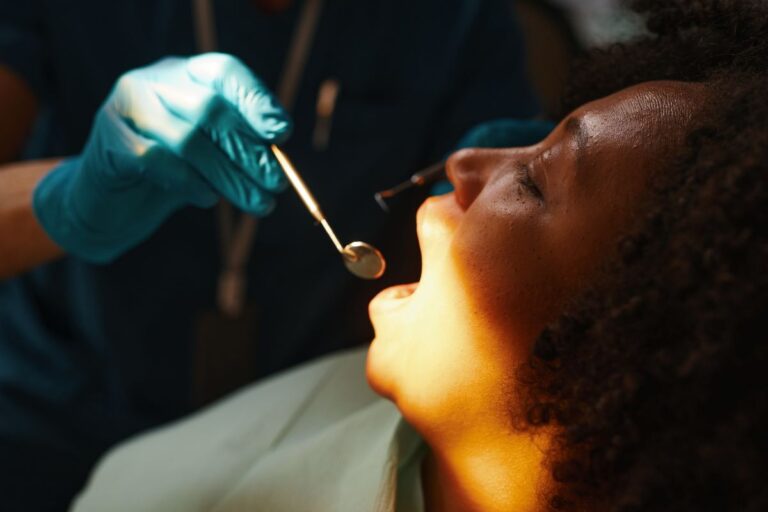
Visiting the dentist can cause anxiety for many people many. Whether it’s fear of pain or a general unease about dental procedures, this can prevent individuals from receiving the care they need. Fortunately, sedation dentistry offers solutions to help you feel calm and comfortable during your dental visits. In Brooklyn, patients can choose from several options tailored to their needs. Let’s take a closer look at the different types of options used by dentists and how they can make your experience more comfortable.
Types of Sedation in Dentistry
Sedation dentistry includes various options to help you relax during your dental treatment. Each type has its benefits, and your dentist will recommend the most appropriate one based on your needs, the type of procedure, and your comfort level. The three primary types of calming dental techniques are nitrous oxide, oral, and IV sedation. Below, we provide a detailed explanation of each one.
Nitrous Oxide: The “Laughing Gas”
Nitrous oxide, commonly known as “laughing gas,” is one of the most popular and mild options used in dentistry. It’s often used for patients with mild anxiety or those undergoing routine dental procedures. Nitrous oxide is given via a small mask that fits over your nose. As you breathe in the gas, you’ll begin to feel relaxed and slightly euphoric, allowing the dentist to perform the necessary treatment.
The great thing about nitrous oxide is that it’s fast-acting and wears off quickly. This means you can drive yourself home after the procedure without any lingering effects. For Brooklyn residents, this is an ideal option if you need to manage dental anxiety and get back to your daily activities quickly.
Benefits of Nitrous Oxide:
- Fast onset and quick recovery
- Minimal side effects
- Ideal for mild dental anxiety
- You can drive home after the procedure
Oral Sedation
Oral sedation involves taking a prescribed pill before your dental appointment. This medication is typically taken about an hour before the procedure. It helps to relax you and make you feel drowsy. Depending on the dosage, it can range from mild relaxation to deeper calming effects, where you may be awake but feel very relaxed or even slightly groggy.
Unlike nitrous oxide, the effects of oral sedation last longer. This means you will need someone to drive you home after your appointment. It is often recommended for patients with moderate anxiety or those undergoing procedures that may take longer.
Benefits of Oral Sedation:
- Effective for moderate dental anxiety
- Long-lasting relaxation
- Perfect for more involved procedures
- You may need someone to drive you home
IV Sedation
IV sedation, or intravenous calming techniques, is the most profound form used in dentistry. It is delivered directly into your bloodstream, providing an intense state of relaxation. Unlike oral sedation, the effects of this method can be adjusted throughout the procedure. Your dentist can administer more sedatives if needed to ensure you stay comfortable.
It is typically used for longer or more complex dental procedures, such as tooth extractions, dental implants, or extensive restorative work. Because of the deeper level of calming effects, patients often experience little to no memory of the procedure afterward. This option is great for patients who have severe dental anxiety or need extensive treatment.
Benefits of IV Sedation:
- Deep sedation for complex procedures
- Adjustable dosage for comfort
- Excellent for severe dental anxiety
- You’ll have little to no memory of the procedure
Reasons When a Dental Practitioner Suggests Sedation Dentistry
Is it right for you? Here are a few signs that you should consider oral sedation dentistry:
- High anxiety or fear of dental procedures: If visiting the dentist makes you overly anxious or fearful, oral sedation may help ease your nerves.
- Difficulty sitting still: Some patients find it challenging to stay still during dental treatments. These calming techniques can help.
- Long or complex procedures: For treatments that take a longer time, it can ensure you remain comfortable throughout.
- A strong gag reflex: If you have a sensitive gag reflex that interferes with dental treatment, it can help manage it.
Your Path to Comfortable Dentistry with Us
Whether you’re experiencing dental anxiety or simply looking for a more relaxed dental visit, we are here to help. Our sedation dentistry in Brooklyn offers a range of options to suit your individual needs. From mild nitrous oxide to advanced oral or IV sedation, you can find a solution to stay comfortable during your procedure.
At Metropolitan Dental Arts, we understand that every patient’s comfort is a priority. If you are considering sleep dentistry for your next dental visit, contact us to schedule a visit today. Explore your options and choose the best solution for your needs.