

Excitement abounds when kids lose their first tooth. A series of fly-ins from the tooth fairy results in a little extra spending money and lifetime memories. The visits start to wind down by age 12 when most of the adult teeth have emerged. Wisdom teeth may even move into place a few years later, although many teenagers benefit from having these third molars removed.
A focus on prevention has helped more people keep their teeth throughout their lives than ever before. In 1960, nearly half of adults between the ages of 65-74 had lost all of their teeth. In 2012, the number of people experiencing complete tooth loss had plummeted to just over 13%. This equates to millions of additional lives that benefit from natural chewing with their own teeth.
The Silent Battle
While general dental health has improved in the U.S. population, many people struggle to maintain their teeth. The Centers for Disease Control released a retrospective study in 2012 that highlighted these facts:
- Among adults between the ages of 20-64, 91% had experienced tooth decay, and 27% had untreated tooth decay.
- Adults between the ages of 40 and 64 were twice as likely to have lost all their teeth (67%) compared with those between the ages of 20 and 39 (34%).
- About 20% of adults aged 65 and older had untreated tooth decay

Education, access to care, and improved treatment options have reduced the number of people afflicted with dental problems. Yet too many people continue to suffer from cavities and gum disease. In fact, tooth decay ranks as the most prevalent childhood disease in the U.S. Cavities result from harmful oral bacteria usually passed from mother to child. Without preventive intervention, the destructive process marches into the new adult teeth during the teen years.
Gum disease is another bacterial affliction that dramatically increases the risk of tooth loss over time. About 30% of the population battles gum disease, and it’s the number one reason adults lose their teeth. Just one missing tooth can disrupt the complex function of chewing, stress the remaining teeth, and lead to more fractured or missing teeth.
What Can You Do?
Widespread public health measures have helped improve general dental health across the country, although not always without controversy. Water fluoridation, professionally sealing grooves in molars, and school outreach programs make up part of the preventive formula. But there’s no substitute for individuals who emphasize their own wellness. Consistent oral hygiene habits and a periodic routine with a dental team lead to results that are hard to beat.
While everyone knows they should brush and floss, a personalized strategy that weighs your history, health, age, and budget leads to the most effective results. Some of the options that we may blend to create an individual’s plan include:
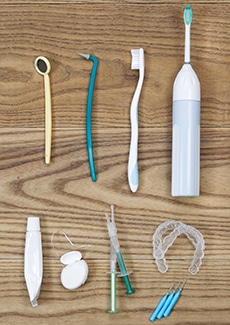
- Daily doses of Xylitol, a natural sweetener
- Prescription anti-bacterial rinses
- Professional application of varnishes to harden teeth
- Prescription-strength toothpaste
- Waterpik use with or without water additives
- Custom trays to apply medicines at home
- Saliva stimulants
- Analysis of current medications affecting your mouth
Many patients want to keep their teeth throughout every stage of life, but they’re not sure how to accurately control the complex biology that frequently leads to dental disease. Short and long-term care plans consider many critical factors, from saliva volume and pH to general health and medications.
Age-related changes are inevitable, but tooth loss doesn’t have to be part of the process. We help patients maintain their teeth for a lifetime of wellness. A personalized strategy for dental health can be created with ongoing monitoring and coaching by our team. Enjoy years of comfortable chewing, a brilliant smile, and the confidence that comes with it!
Conclusion
While the statistics highlight the ongoing battle against dental disease, advancements in prevention and personalized care offer a powerful message of hope: you can strive to keep your teeth for a lifetime. By adopting consistent oral hygiene habits, collaborating with a dedicated dental team to develop tailored strategies and receive regular monitoring, and understanding the factors that impact your oral health, you can significantly reduce your risk of tooth loss. Age-related changes may be inevitable, but with proactive effort and informed care, a lifetime of comfortable chewing and confident smiles is a realistic and achievable goal.