
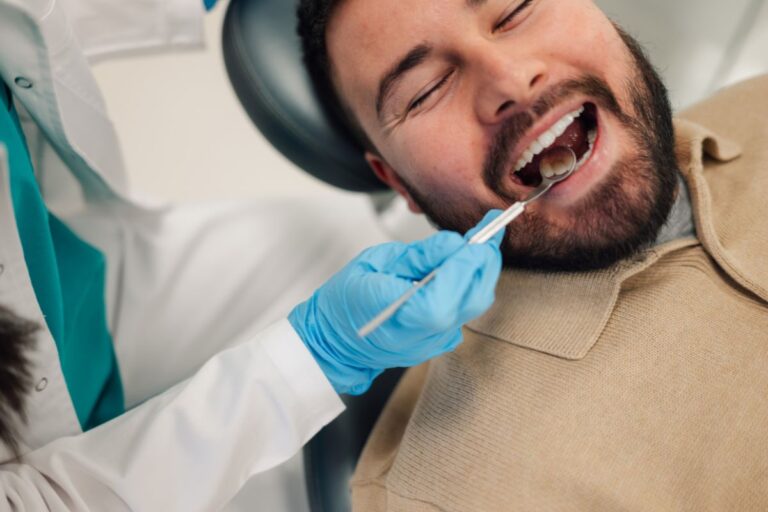
If you’ve ever woken up in the middle of the night with a throbbing toothache or cracked a tooth biting into something unexpected, you already know that dental pain doesn’t follow a schedule. An emergency dentist is trained to handle sudden, painful, or potentially serious dental situations right away, while a regular dentist focuses on planned, preventive, and routine care. Knowing which one you need can mean the difference between saving a tooth and losing it permanently. Getting to the right provider quickly is what matters most when things go wrong.
What Does a Regular Dentist Do?
A general dentist is your long-term dental health partner. You visit them for scheduled checkups, professional cleanings, cavity fillings, X-rays, and cosmetic work. These appointments are planned in advance because there is no immediate threat to your oral health, and the focus is on keeping things that way.
Regular dentists build a complete picture of your dental history over time. They catch small problems before they grow into bigger ones. Think of them as your primary care physician for your mouth. Routine care is where they truly shine, from monitoring gum health and placing crowns to fitting night guards and discussing orthodontic options.
The key limitation is that most general dental offices have restricted after-hours availability and are not always set up to handle high-stress, time-sensitive situations like a knocked-out tooth, a severe abscess, or a fractured jaw.
What Sets an Emergency Dentist Apart?
Our emergency dental provider in Brooklyn is trained and equipped to handle urgent dental care needs immediately, often on the same day, including evenings and weekends. The entire workflow of an urgent dental practice is built around rapid assessment and fast pain relief.
Here is what makes emergency dental care distinctly different from a routine visit.
Same-Day Availability
Emergency dental offices prioritize walk-ins and same-day appointments. When you are in severe pain or have sustained oral trauma, waiting two weeks for an open slot simply is not an option.
Pain Management as the First Priority
The immediate goal during an emergency visit is to relieve your pain and stabilize the situation. Whether that means performing a root canal to address an infected nerve or splinting a loose tooth, the approach is quick and decisive.
Advanced Diagnostic Tools On-Site
Emergency dental providers typically have digital X-rays and sometimes cone beam CT imaging available right away. This allows them to accurately diagnose what is happening without any unnecessary delay.
Broad Scope of Treatment
From emergency dental treatment for a cracked molar to re-implanting a knocked-out tooth, emergency dentists handle procedures that go well beyond what a typical scheduled appointment covers. The goal is always to preserve your tooth and your health in the shortest time possible.
Common Dental Emergencies That Need Immediate Attention
Not every toothache requires an emergency visit, but certain situations should never wait. Here are conditions where calling an emergency dentist right away is the right call.
A knocked-out permanent tooth is one of the most time-sensitive situations in all of dentistry. Re-implantation has the best chance of success when the tooth is placed back within 30 minutes of the injury. A severe toothache that wakes you up or makes it impossible to eat, talk, or concentrate is another clear signal that something is seriously wrong and should not be ignored.
A dental abscess with visible facial swelling, fever, or difficulty swallowing requires urgent dental care because oral infections can spread beyond the mouth if left untreated. A broken or fractured tooth with exposed nerves, a lost crown causing sharp pain, soft tissue injuries inside the mouth that keep bleeding, and a tooth that has become loose or completely displaced after trauma all fall into the category of genuine dental emergencies.
If you are unsure whether your situation qualifies, it is always better to call ahead. At Metropolitan Dental Arts, we walk you through your symptoms over the phone and advise you on the next appropriate steps.
When Your Regular Dentist Is the Right Choice
Not every dental concern is a crisis, and it helps to know when a scheduled appointment is the better route.
Mild tooth sensitivity that comes and goes, a small chip with no pain and no sharp edges, cosmetic concerns like surface staining or minor spacing issues, routine fillings or crowns that are not causing discomfort, and annual checkups or professional cleanings are all situations that belong at your general dentist’s office.
This distinction matters because showing up at an emergency clinic for a non-urgent issue may mean a longer wait and higher out-of-pocket costs. On the other side, waiting on a genuine emergency can result in tooth loss, a spreading infection, or significantly more complex treatment down the line.
A Quick Comparison: Emergency vs Regular Dental Care
| Factor | Regular Dentist | Emergency Dentist |
| Appointment Type | Scheduled in advance | Same-day or walk-in |
| Primary Focus | Prevention and routine care | Pain relief and stabilization |
| Availability | Standard business hours | Extended hours and weekends |
| Common Treatments | Cleanings, fillings, exams | Extractions, root canals, trauma care |
| Urgency Level | Low to moderate | High |
Conclusion
Understanding the difference between a regular dentist and an emergency dentist helps you make smarter, faster decisions when something goes wrong. Routine care keeps dental emergencies from happening in the first place, but when they do occur, knowing where to go and acting quickly can save your tooth, stop an infection from spreading, and get you out of pain faster than you might expect.
Prompt care almost always leads to better outcomes and lower costs than delayed treatment, and that holds true whether you are dealing with sudden trauma or pain that has been quietly building for days. Call the office to book your appointment or ask about same-day availability.