
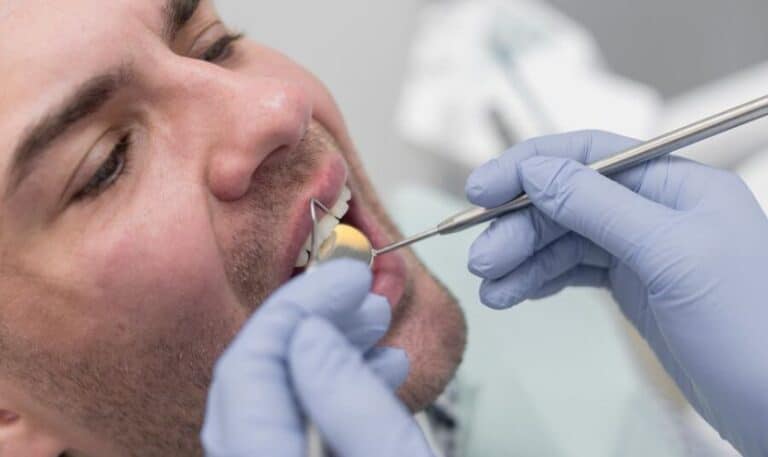
One can eat after a few hours of getting a temporary crown. However, avoiding chewing on the temporary crown is crucial, as it can dislodge or damage the underlying tooth. Stick to soft foods and chew on the opposite side of your mouth to minimize stress on the temporary crown.
What is a Temporary Crown?
Getting a temporary crown is an essential step in restoring a damaged or decayed tooth. While it’s not a permanent solution, a temporary crown plays a crucial role in protecting your tooth until the permanent crown is ready.
Guideline Post a Temporary Crown
In this blog, we’ll explore the timeline and tips for eating after getting a temporary crown to ensure your dental work remains intact and you experience minimal discomfort.
What to Do in the First Few Hours After Getting a Temporary Crown?
After receiving a temporary crown, it’s essential to allow some time for the cement to set. Dental professionals typically recommend waiting at least 30 minutes to an hour before eating. This period allows the adhesive to harden, ensuring the temporary crown stays securely in place. During this time, avoiding food and drink is best to prevent dislodging the crown.
What to Do in the First 24 Hours After Getting a Temporary Crown?
Your mouth might still be sensitive in the first 24 hours after your temporary crown placement. Anesthetics used during the procedure can cause numbness, making it easy to accidentally bite your tongue or cheek. For this reason, sticking to soft foods is advisable. Yogurt, mashed potatoes, scrambled eggs, and smoothies are excellent options. They are easy to chew and less likely to cause discomfort or damage to the crown.
Additionally, when you eat, try to chew on the opposite side of your mouth from where the temporary crown is located. This helps minimize pressure on the new crown and reduces the risk of it becoming loose.
Are There Any Foods to Avoid After Getting a Temporary Crown?
While your temporary crown is in place, certain foods and habits should be avoided to prevent any issues:
- Sticky Foods: Chewing gum, caramels, and other sticky foods can pull at the temporary crown and potentially dislodge it.
- Hard Foods: Hard candies, nuts, and crunchy foods can put too much pressure on the crown, causing it to break or become loose.
- Chewing on Non-Food Items: Habits like chewing on pens, fingernails, or ice can be detrimental to your temporary crown.
- Sugary Foods and Drinks: While sugary treats won’t directly harm the crown, they can contribute to decay around the area, complicating the permanent crown placement.
What to Do in the Days Following the Procedure?
As days go by and your mouth adjusts to the temporary crown, you can gradually reintroduce more solid foods into your diet. However, it’s essential to continue being cautious. Here are some tips to help you adjust:
- Cut Food into Smaller Pieces: Cutting food into smaller, manageable pieces reduces the need for excessive chewing and lowers the risk of damaging the crown.
- Chew Slowly and Gently: Taking your time while eating can help you avoid putting undue stress on the temporary crown.
- Maintain Good Oral Hygiene: Keeping the area clean is vital. Brush gently around the crown, and consider using a soft-bristled toothbrush. Flossing is important, but be careful not to pull up on the floss around the temporary crown; instead, slide it out to prevent dislodging the crown.
How to Deal with Discomfort
It’s common to experience discomfort or sensitivity after getting a temporary crown. Over-the-counter pain relievers can help manage any pain. If you notice persistent pain or swelling, or if the crown feels loose or falls out, contact your cosmetic dentist immediately. They can provide guidance and, if necessary, recement the crown.
What is the Process for a Permanent Crown?
Temporary crowns are designed to last a short period, usually a few weeks, until your permanent crown is ready. Once your permanent crown is placed, you can confidently resume normal eating habits. The permanent crown will be more durable and custom-fitted to your tooth, providing better protection and comfort.
Conclusion
In summary, after receiving a temporary crown, it’s important to wait at least 30 minutes to an hour before eating and to stick to soft foods for the first 24 hours. Gradually reintroduce more solid foods as you adjust, but always be cautious to protect your temporary crown. Following these guidelines and maintaining good oral hygiene ensures your temporary crown remains secure and transitions smoothly to your permanent crown.