
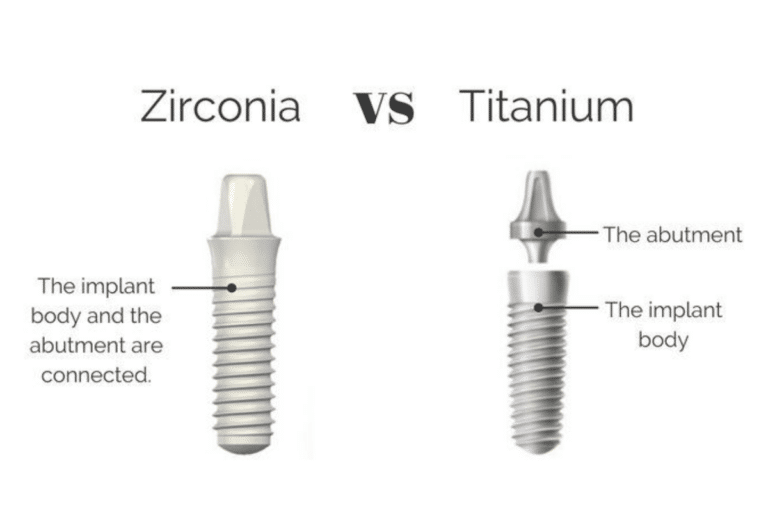
Dental implants have truly revolutionized the field of dentistry, offering a durable and aesthetically pleasing solution for missing teeth. When you’re considering dental implants, remember that one of the most crucial decisions you’ll make is the type of material used for the implant posts. The two most common materials used for dental implants are titanium and zirconia.
Dental Implants in Brooklyn are popular for individuals seeking to restore their smiles and improve their oral health. Both titanium and zirconia implants offer unique advantages and disadvantages.
Titanium Dental Implants
Titanium is the most widely used material for dental implants. It is biocompatible, meaning it is well-tolerated by the body and has a low risk of rejection. Titanium implants are highly durable and can last many years with proper care.
Advantages of Titanium Implants:
- Biocompatibility: Titanium is highly biocompatible, reducing the risk of rejection.
- Durability: Titanium implants are solid and durable, making them long-lasting.
- Osseointegration: A process where the implant fuses with the surrounding bone tissue, is a critical factor in the success of dental implants. Titanium implants are known for forming a solid bond with the bone, ensuring a stable and secure foundation for the replacement teeth.
- Versatility: Titanium implants can be used in various dental situations, including single-tooth replacements, multiple-tooth replacements, and full-arch restorations.
Zirconia Dental Implants
Zirconia is a ceramic material that is becoming increasingly popular for dental implants. It is also biocompatible and has a low risk of rejection. Zirconia implants are known for their aesthetic appeal, as they are white and can blend seamlessly with natural teeth.
Advantages of Zirconia Implants:
- Aesthetics: Zirconia implants are white and can match the appearance of natural teeth.
- Biocompatibility: Zirconia is biocompatible and has a low risk of rejection.
- Strength: Zirconia is a strong and durable material, making it suitable for dental implants.
- Metal-free: For patients who prefer metal-free dental restorations, zirconia implants are an excellent option.
Choosing the Right Material
The best material for dental implants will depend on your needs and preferences. Factors to consider include:
- Allergies: If you have any allergies to metals, zirconia may be a better choice.
- Aesthetics: If you are concerned about the appearance of your dental implants, zirconia, due to its white color, may be a better option.
- Cost is a significant factor in the choice of Dental Implants: Generally, zirconia implants may be slightly more expensive than titanium implants. However, the exact cost difference can vary depending on the specific dental practice and the individual patient’s needs.
- Dental situation: The specific dental situation, such as the number of missing teeth and the condition of your jawbone, will also influence the choice of material.
Both titanium and zirconia are excellent materials for dental implants. The best choice for you will always depend on your individual needs and preferences. By working with a qualified dentist, you can select the dental implant material that will provide you with a beautiful and functional smile, tailored to your unique situation.