
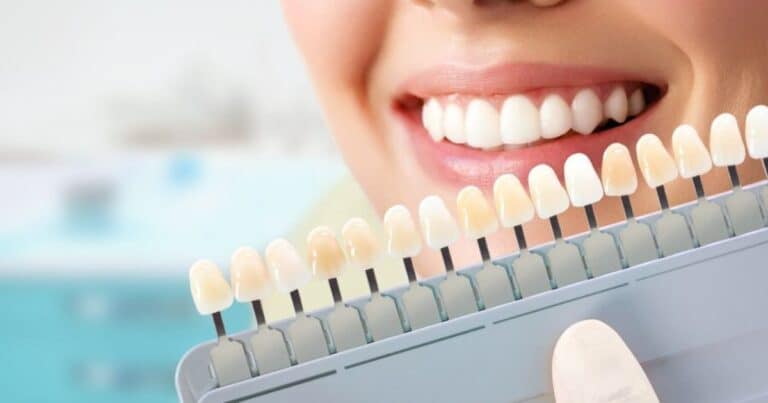
A radiant smile can significantly boost your confidence and enhance your overall appearance. If you’re seeking a way to achieve a perfect, lasting smile, veneers might be the ideal solution. Veneers offer a versatile and effective approach to correcting various dental imperfections. In this blog, we’ll explore the benefits of veneers and how they can transform your smile.
What Are Veneers?
Veneers are thin, custom-made shells designed to cover the front surface of your teeth. Typically made from porcelain or composite resin, veneers are crafted to match the natural color of your teeth. They are bonded to the teeth to improve their appearance, providing a durable and aesthetically pleasing solution to various dental issues.
What are the Benefits of Veneers?
Veneers provide a significant cosmetic enhancement by concealing imperfections such as stains, chips, gaps, and minor misalignments, resulting in a brighter, more uniform, and aesthetically pleasing smile. Beyond appearance, they can also provide a degree of protection to the underlying tooth surface.
1. Natural Appearance
One of the most significant advantages of veneers is their natural appearance. Porcelain veneers, in particular, closely mimic the light-reflecting properties of natural teeth, ensuring a seamless blend with your existing teeth. This natural look can make it difficult for others to distinguish between your veneers and your natural teeth.
2. Durability
Veneers are known for their durability. Porcelain veneers, especially, are resistant to stains and can last 10-15 years with proper care. Composite resin veneers, while not as long-lasting as porcelain, can still provide a durable solution for 5-7 years. This longevity makes veneers a worthwhile investment for those seeking a long-term solution to dental imperfections.
3. Stain Resistance
Porcelain veneers are highly resistant to coffee, tea, red wine, and smoking stains. This quality helps maintain your smile’s bright, white appearance over time. While practicing good oral hygiene and avoiding excessive consumption of stain-causing substances is essential, veneers can significantly reduce the need for frequent whitening treatments.
4. Minimally Invasive Procedure
The process of getting veneers is minimally invasive compared to other dental procedures. Typically, only a small amount of enamel (about 0.5 mm) needs to be removed from the front surface of the teeth to make room for the veneers. This preservation of natural tooth structure makes veneers an attractive option for those looking to enhance their smile without extensive dental work.
5. Versatility
Veneers can address a wide range of dental issues, including:
- Discolored Teeth: Veneers can cover teeth that are severely stained or discolored, providing a bright, white smile.
- Chipped or Broken Teeth: Veneers can restore the appearance of chipped or broken teeth, making them look whole and healthy again.
- Misaligned or Irregularly Shaped Teeth: Veneers can correct minor alignment issues and improve the shape of teeth, creating a more uniform and aesthetically pleasing smile.
- Gaps Between Teeth: Veneers can close small gaps between teeth, providing a more cohesive and attractive smile.
What is the Veneer Process Step by Step? Cosmetic Dentist Explains
Dr. Keith J. Heller, our cosmetic dentist, outlines the process of getting veneers as follows:
- Consultation: The first step is a consultation with your dentist to discuss your goals and determine if veneers are the right option for you. Your dentist will examine your teeth, take X-rays, and possibly make impressions of your mouth and teeth.
- Preparation: During the preparation phase, your dentist will remove a small amount of enamel from the front surface of your teeth to make room for the veneers. This step is essential for ensuring a natural look and a proper fit.
- Impressions: After preparing your teeth, your dentist will take impressions of them, which will be used to create your custom veneers. These impressions are sent to a dental laboratory, where the veneers are crafted.
- Bonding: Once your veneers are ready, your dentist will place them on your teeth to check their fit and color. After making any necessary adjustments, the veneers are bonded to your teeth using a special adhesive. A curing light is then used to harden the adhesive, securing the veneers in place.
- Final Adjustments: After the veneers are bonded, your dentist will make any final adjustments to ensure a perfect fit and comfortable bite. You may be asked to return for a follow-up visit to ensure that the veneers are functioning correctly and that you are happy with the results.
Conclusion
Veneers offer a transformative solution for those seeking to enhance their smile. With their natural appearance, durability, stain resistance, and versatility, veneers can address various dental imperfections and improve your smile.
In conclusion, veneers offer a remarkable array of benefits, from dramatically enhancing the aesthetics of your smile by correcting imperfections in color, shape, and alignment
to providing a layer of protection for damaged teeth. This versatile cosmetic solution can boost your confidence, improve your oral function, and offer a relatively quick path to achieving the smile you’ve always desired. For those seeking to unlock these transformative benefits and achieve a radiant, natural-looking smile, be sure to consult with a skilled cosmetic dentist in Brooklyn to explore whether veneers are the right option for you.