
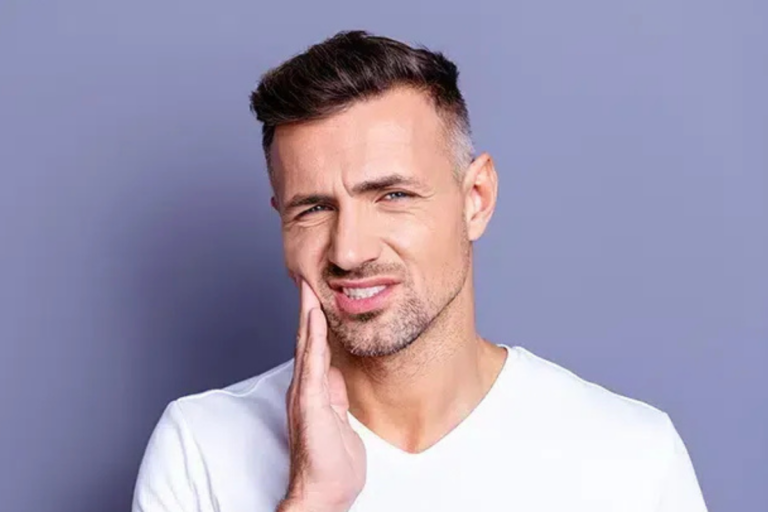
A loose tooth after an accident should not be ignored, even if it does not hurt much. A fall, sports injury, car accident, or blow to the face can damage the structures that hold a tooth in place. Seeing an emergency dentist promptly gives the dentist an opportunity to assess the injury, check for hidden damage, and determine whether the tooth needs stabilization or other treatment.
Why Can a Tooth Become Loose After an Injury?
Your teeth are supported by ligaments, bone, and surrounding gum tissue. A sudden impact can stretch or damage these supporting structures, causing a tooth to feel loose or move when you bite. In some cases, the tooth may have been pushed slightly out of its normal position. This type of dental trauma can occur without a visible crack or major chip. The nerve and blood supply inside the tooth can also be affected by an injury, which means problems may not always be obvious immediately. The American Association of Endodontists recommends that an injured tooth receive prompt examination because neighboring teeth can also have unnoticed damage.
When Does a Loose Tooth Need Emergency Dental Care?
A loose tooth following trauma deserves prompt attention, particularly when you also notice:
- Pain when biting or touching the tooth
- Bleeding around the tooth or gums
- Increased sensitivity to hot or cold
- Swelling around the injured area
- A tooth that appears shifted or pushed out of position
- A chipped, cracked, or fractured tooth
- Difficulty closing your mouth normally
- Damage to the lips, gums, or other soft tissues
Dental trauma involving a loose or displaced tooth is considered an urgent dental concern because early assessment can help guide treatment and protect the tooth.
What Will an Emergency Dentist Check?
During an emergency dental treatment in Brooklyn, the dentist will examine the injured tooth and the surrounding tissues. Depending on the injury, dental X-rays or other imaging may be used to look for problems that cannot be seen during a visual examination. The dentist may evaluate whether the tooth has moved, whether the supporting structures have been damaged, and whether the pulp inside the tooth may have been affected. This information helps determine whether the tooth can heal on its own or requires treatment.
For certain injuries, a dentist may use a flexible splint to stabilize the affected tooth while the supporting tissues heal. The appropriate treatment depends on the type and severity of the trauma.
What Should You Do Before Your Appointment?
Until you can see a dentist, avoid chewing on the injured side and do not repeatedly wiggle the loose tooth to check whether it is still moving. Choose softer foods if you need to eat, and keep the area clean without applying unnecessary pressure. If the injury has caused significant bleeding, swelling, facial trauma, or difficulty breathing, seek emergency medical attention. A hospital emergency department may be appropriate for serious facial or medical injuries, while a dentist is needed to diagnose and treat the dental injury itself.
Getting Emergency Dental Treatment in Brooklyn
For someone dealing with a loose tooth after an accident, getting examined quickly can make the next steps much clearer. Metropolitan Dental Arts provides emergency dental care in Brooklyn for dental injuries, loose or partially dislodged teeth, severe tooth pain, broken restorations, and other urgent concerns. The practice offers same-day emergency appointments when available and uses dental imaging to evaluate problems following an injury.
Located at 380 Union Ave. in Brooklyn, Metropolitan Dental Arts provides comprehensive dental care with multiple dental specialties available within the practice. Contact us immediately at +17022138788.
Conclusion
A tooth that becomes loose after an injury may have more damage than you can see or feel. Prompt evaluation allows a dentist to identify the type of trauma, assess the supporting structures, and determine whether stabilization or additional treatment is needed. Rather than waiting for pain or other symptoms to develop, having an injured tooth checked promptly is a practical step toward protecting your natural smile.
If you have a loose tooth after an accident or dental injury, schedule an emergency dental evaluation with Metropolitan Dental Arts to have the tooth properly assessed.
FAQs
Can a loose tooth tighten back up after an injury?
A mildly loose tooth may stabilize as the tissues supporting it heal, but this depends on the severity and type of injury. A dentist should evaluate the tooth to determine whether it needs stabilization or additional treatment.
Should I see an emergency dentist for a loose tooth after an accident?
Yes. A tooth that becomes loose after an accident should be evaluated promptly, even if the pain is minimal. The injury may have affected the tooth root, supporting tissues, or surrounding bone.
Can a tooth be loose without being cracked?
Yes. An injury can damage the periodontal ligament and other supporting structures without causing a visible crack. Dental X-rays may be needed to identify damage that cannot be seen during an examination.
What should I do if my tooth is loose after getting hit in the mouth?
Avoid touching or repeatedly moving the tooth, and avoid chewing on that side of your mouth. Keep the area clean and arrange a dental examination as soon as possible.
Can an injured loose tooth be saved?
In many cases, an injured tooth can be preserved, depending on the extent of the damage. Treatment may include stabilizing the tooth, monitoring it during healing, or addressing damage to the tooth’s nerve or surrounding structures.
How quickly should I get emergency dental treatment for a loose tooth?
It is best to have the tooth assessed as soon as possible after the injury. Prompt evaluation can help identify damage early and determine whether immediate treatment is necessary.