
Missing teeth can affect much more than your smile. They can make eating difficult, change the way you speak, and even impact your confidence. Fortunately, modern dentistry offers reliable solutions that restore both function and appearance. Two of the most common options are dental implants and dental bridges.
If you’re considering dental implant treatment, understanding the differences between these two treatments can help you make an informed decision. At Metropolitan Dental Arts, our team takes the time to evaluate your oral health, discuss your goals, and recommend the option that best suits your needs. As a trusted dental implant provider, we believe every patient deserves a personalized treatment plan that delivers lasting results.
Understanding Dental Implants
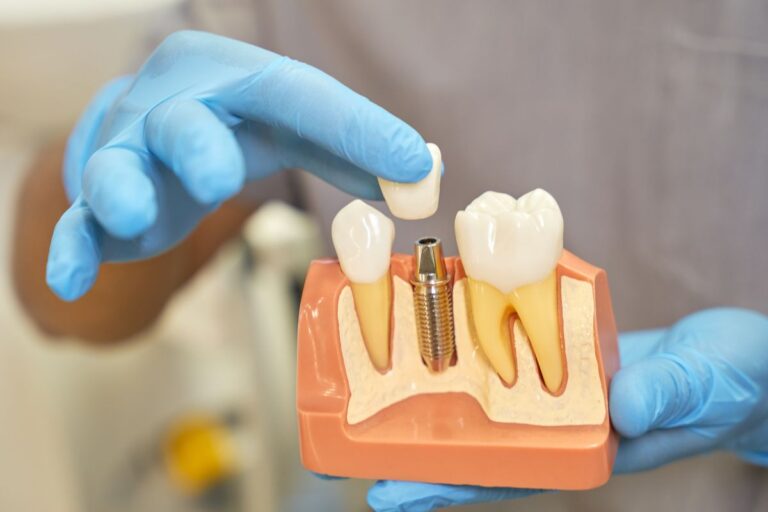
Dental implants are artificial tooth roots made from biocompatible titanium. They are surgically placed into the jawbone, where they fuse naturally with the bone through a process called osseointegration. Once healing is complete, a custom-made dental crown is attached to the implant, creating a replacement tooth that closely resembles a natural one.
Unlike removable appliances, dental implants become a permanent part of your smile. They are designed to restore chewing ability, improve appearance, and help preserve the jawbone.
What Is a Dental Bridge?
A dental bridge replaces one or more missing teeth by anchoring an artificial tooth between two healthy teeth or dental implants. Traditional bridges rely on neighboring teeth for support, which means those teeth must be reshaped before crowns are placed over them. Dental bridges have been used successfully for many years and remain an effective treatment for patients who may not be ideal candidates for dental implants.
Dental Implants vs. Dental Bridges: What’s the Difference?
Although both treatments replace missing teeth, they work differently and offer distinct advantages.
Appearance
Both dental implants and bridges can be customized to match the color, shape, and size of your natural teeth. When completed by an experienced dental team, either option can provide a beautiful, natural-looking smile.
Dental implants often deliver the most realistic result because they emerge from the gum tissue just like a natural tooth without relying on adjacent teeth for support.
Longevity
One of the biggest advantages of dental implants is their long-term durability. With proper oral hygiene and regular dental checkups, implants can last for decades and often remain functional for a lifetime.
Dental bridges are also durable, but they generally need replacement after 10 to 15 years due to normal wear or changes in the supporting teeth.
Jawbone Health
When a tooth is lost, the jawbone in that area no longer receives stimulation during chewing. Over time, this can lead to bone loss. Dental implants stimulate the jawbone in much the same way as natural tooth roots, helping maintain bone density and facial structure.
Traditional dental bridges replace the visible portion of the tooth but do not replace the root, so they cannot prevent bone loss beneath the missing tooth.
Protecting Healthy Teeth
One important consideration is the effect each treatment has on neighboring teeth. To place a traditional bridge, healthy teeth on either side of the gap are reshaped to support dental crowns. While this creates a stable restoration, it permanently alters otherwise healthy teeth.
Dental implants are self-supporting and do not depend on adjacent teeth. This allows healthy teeth to remain untouched while replacing the missing tooth independently.
Comfort and Stability
Dental implants feel remarkably similar to natural teeth because they are securely anchored within the jawbone. Patients can eat, speak, and smile confidently without worrying about movement.
Bridges are also fixed in place and provide excellent stability. However, since they rely on neighboring teeth for support, they may not provide the same natural feel as an implant.
Daily Care and Maintenance
Both dental implants and bridges require excellent oral hygiene. Dental implants can be brushed and flossed just like natural teeth. Maintaining healthy gums around the implant is essential for long-term success.
Dental bridges also require daily brushing and flossing, but cleaning underneath the artificial tooth often requires special floss threaders or interdental cleaning tools to remove trapped food and plaque.
Which Option Is Right for You?
The best solution depends on several factors, including:
- Your overall oral health
- The condition of your jawbone
- The number of missing teeth
- Your budget
- Your long-term goals
- Your personal preferences
Patients with adequate jawbone density who want a long-lasting solution often benefit from dental implants. Those seeking a faster treatment or who are not candidates for implant surgery may find a dental bridge to be an excellent alternative.
At Metropolitan Dental Arts, we carefully evaluate every patient’s smile before recommending treatment. Whether you need to replace a single tooth or multiple missing teeth, we’ll help you understand your options and choose the treatment that best fits your lifestyle.
Why Many Patients Choose Dental Implants For Missing Tooth
As more patients look for durable, natural-looking tooth replacement solutions, dental implants continue to grow in popularity. They provide exceptional stability, preserve jawbone health, and restore confidence in everyday activities like eating, speaking, and smiling.
Choosing dental implant treatment in Brooklyn means investing in a solution designed to protect your long-term oral health while delivering outstanding aesthetics. Working with an experienced dental implant provider ensures your treatment is carefully planned using advanced technology and customized to your unique needs.
Restore Your Smile
If you’re missing one or more teeth, you don’t have to settle for a smile that limits your confidence or comfort. At Metropolitan Dental Arts, we offer personalized tooth replacement solutions designed to restore both function and appearance. As a trusted dental implant provider, our team is committed to helping patients achieve healthy, lasting smiles with advanced dental implant treatment in Brooklyn. We’ll explain every option, answer your questions, and create a treatment plan tailored to your goals.
Schedule your consultation with us today and discover which tooth replacement option is right for your smile.