Sensitive Teeth All of a Sudden? Causes You Shouldn't Ignore
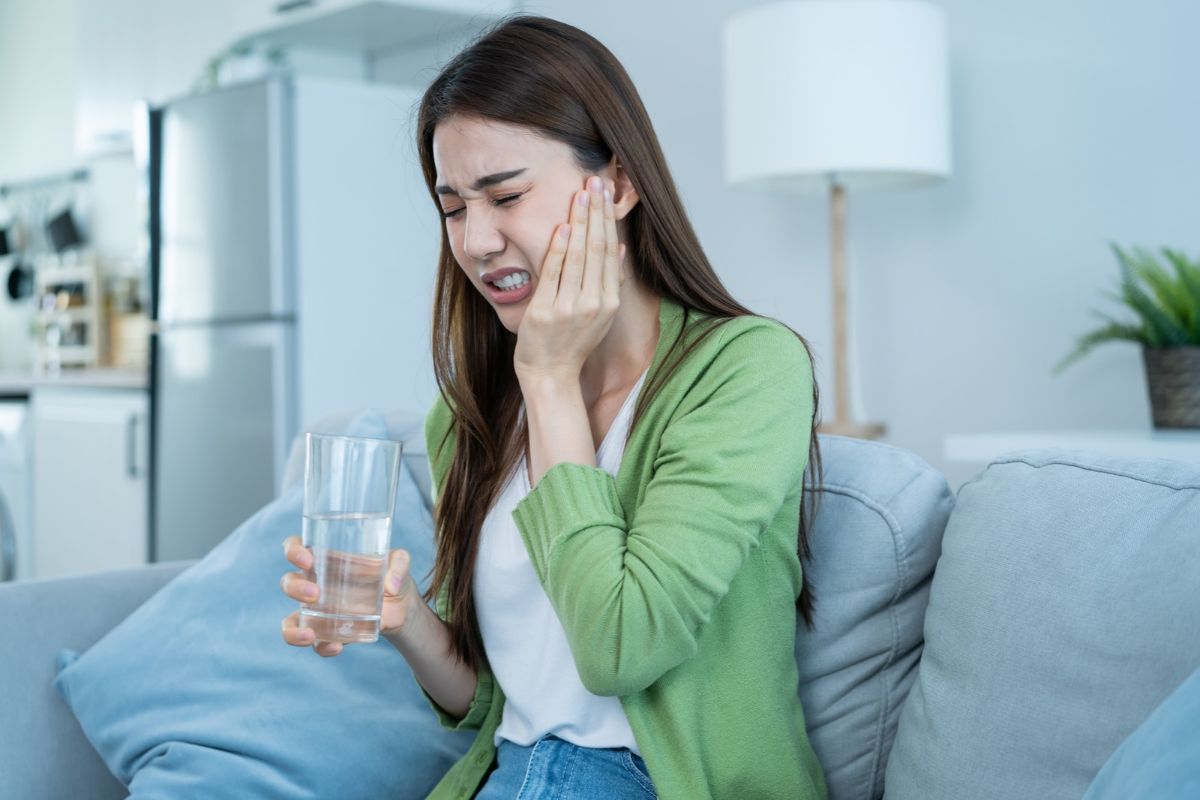
Have you ever taken a sip of ice-cold water and felt a sudden, sharp zing shoot through your teeth? Maybe your morning coffee suddenly feels uncomfortable, or eating something sweet causes a sensation you never experienced before. If your teeth have become sensitive out of nowhere, you're probably wondering what's going on.
Tooth sensitivity is fairly common, but a sudden change shouldn't be brushed off. It can happen because of worn enamel, gum recession, tooth decay, or even a small crack you haven't noticed. Sometimes, the discomfort is temporary. Other times, it's your mouth's way of telling you something needs attention.
The good news is that most causes of tooth sensitivity can be identified and treated. Let's explore why your teeth might suddenly feel sensitive, which warning signs deserve attention, and what you can do to protect your smile.
What Does Sudden Tooth Sensitivity Feel Like?
Tooth sensitivity, also called dentin hypersensitivity, usually feels like a quick, sharp sensation in one or more teeth. It often happens when something cold, hot, sweet, acidic, or even a rush of cold air comes into contact with the tooth.
Underneath your tooth's protective enamel is a layer called dentin. Dentin contains tiny channels that connect toward the nerve inside the tooth. When enamel wears down or gums pull away, these channels can become exposed. External triggers can then cause discomfort.
You might notice sensitivity when:
Drinking cold water or hot coffee.
Eating ice cream or sugary treats.
Brushing or flossing near the gumline.
Breathing in cold outdoor air.
Eating citrus fruits or acidic foods.
If the sensation is new, persistent, or getting worse, it's worth finding out what's causing it rather than simply avoiding your favorite foods.
7 Common Causes of Sudden Tooth Sensitivity
Not all tooth sensitivity has the same explanation. The location, intensity, and timing of the discomfort can offer clues about what's happening.
1. Worn-Down Tooth Enamel
Enamel is the hard outer layer that protects your teeth from everyday wear and temperature changes. However, frequent exposure to acidic foods, soda, sports drinks, or stomach acid can gradually weaken it.
Brushing too aggressively can also contribute to enamel wear over time. Once enamel becomes thin, the underlying dentin is more exposed, making your teeth more reactive to temperature changes.
2. Gum Recession
Have you noticed that your teeth look slightly longer than they used to? Gum recession may be the reason.
When gum tissue pulls away from the teeth, it exposes the roots. Unlike the crown of your tooth, the root doesn't have a protective enamel covering. This makes it more vulnerable to sensitivity.
Gum recession can develop because of gum disease, aggressive brushing, genetics, or other factors.
3. A New Cavity or Tooth Decay
Sometimes, sudden sensitivity is an early warning sign of a cavity. As bacteria break down tooth structure, the damage can move through the enamel and reach the dentin.
You may experience discomfort when eating sweets or drinking something cold. A cavity doesn't always cause constant pain, especially in its earlier stages, so don't assume everything is fine just because the sensation comes and goes.
4. Cracked or Chipped Teeth
A small crack can be difficult to spot in the mirror, but it may cause noticeable discomfort. You might feel a sharp sensation when biting down or releasing pressure after chewing.
Cracks can develop from chewing hard foods, grinding your teeth, accidents, or everyday wear. Even a minor fracture deserves attention because it can worsen if left untreated.
5. Teeth Grinding or Clenching
Do you wake up with a sore jaw or a dull headache? You might be grinding or clenching your teeth, particularly during sleep.
This habit, known as bruxism, puts repeated pressure on your teeth. Over time, it can wear down enamel, cause small fractures, and leave teeth feeling unusually sensitive.
6. Recent Dental Treatment
Sometimes, sensitivity appears after a dental cleaning, filling, crown placement, or whitening treatment. This doesn't automatically mean something went wrong.
Teeth can temporarily become more reactive after certain procedures. However, discomfort should gradually improve. If it persists, becomes severe, or gets worse, contact your dental office for an evaluation.
7. Acid Reflux and Frequent Acid Exposure
Stomach acid can travel into the mouth during acid reflux, gradually wearing away tooth enamel. Frequent vomiting can have a similar effect.
Acidic drinks and foods, including citrus juices and soda, can also contribute to enamel erosion. If sensitivity develops alongside frequent acid exposure, addressing the underlying cause is important.
Why You Shouldn't Ignore Sudden Tooth Sensitivity
It's easy to assume that sensitive teeth are just a minor inconvenience. You might switch to lukewarm drinks or avoid ice cream and hope the problem disappears.
But here's the thing: sensitivity is sometimes an early sign of an underlying dental problem. A cavity, cracked tooth, or gum disease can become more complicated without proper care.
Ignoring the symptoms may lead to deeper decay, worsening gum problems, or damage that requires more extensive treatment. If one particular tooth suddenly becomes sensitive, especially when biting or chewing, it's worth having it examined.
Where Can You Get Help for Sensitive Teeth in Brooklyn, NY?
If sudden tooth sensitivity is making it difficult to enjoy your favorite foods and drinks, a dental evaluation can help identify the cause and determine the right treatment.
At Metropolitan Dental Arts, we provide complete dental care in Brooklyn, NY, and surrounding neighborhoods, including Greenpoint, Williamsburg, Bushwick, Carroll Gardens, Bedford-Stuyvesant, and Clinton Hill.
Whether you're dealing with enamel erosion, gum recession, cavities, or unexplained tooth discomfort, our team can evaluate your concerns and discuss appropriate treatment options.
If you live in Brooklyn or the surrounding areas, visit our dental office at 380 Union Ave, Brooklyn, NY 11211, United States
If you're searching for a dependable dentist brooklyn, we're here to help you maintain a healthy, comfortable smile with dental care suited to your needs.
How Can You Reduce Tooth Sensitivity at Home?
While home care won't fix every underlying cause, a few everyday changes can help reduce discomfort and protect your teeth.
Here are some practical steps to try:
Switch to a desensitizing toothpaste: Look for products containing potassium nitrate or stannous fluoride. These ingredients can help reduce sensitivity with regular use.
Use a soft-bristled toothbrush: Brush gently using small circular motions instead of scrubbing back and forth.
Avoid excessive acidic foods and drinks: Cut back on soda, citrus juices, and other highly acidic options that can contribute to enamel erosion.
Don't brush immediately after acidic meals: Rinse with water first and wait about 30–60 minutes before brushing.
Use fluoride toothpaste: Fluoride helps strengthen enamel and protect against tooth decay.
Wear a night guard if recommended: If you grind your teeth while sleeping, a professionally recommended night guard may help protect them from excessive pressure.
These habits can make a difference, but persistent sensitivity still needs professional attention.
When Should You See a Dentist?
Occasional sensitivity after eating something particularly cold or acidic may not be a major concern. However, sudden or unexplained discomfort deserves attention, especially if it doesn't improve.
Schedule a dental appointment if you experience:
Sensitivity that lasts longer than a few days.
Sharp pain when biting or chewing.
Sensitivity affecting just one tooth.
Visible chips, cracks, or dark spots.
Receding gums or bleeding while brushing.
Pain that lingers after eating or drinking something hot or cold.
If you develop severe pain, facial swelling, fever, or signs of a dental abscess, seek urgent dental care. Difficulty breathing or swallowing requires immediate emergency medical attention.
Final Thoughts: Don't Let Sensitive Teeth Catch You Off Guard
Sudden tooth sensitivity can have several causes, ranging from worn enamel and gum recession to cavities and cracked teeth. While changing your toothpaste or brushing habits may offer some relief, it's important to understand what's actually triggering the discomfort.
You don't have to wait until a sensitive tooth becomes a painful one. Getting it checked early can help prevent further damage and make treatment more straightforward.
If your teeth have suddenly become sensitive, schedule an examination with Metropolitan Dental Arts. Taking care of a small concern today can help keep your smile healthy and comfortable for years to come.










 , etc) and always had fantastic experiences. Great dentists, great hygienists, and a super-awesome office staff.



 #nycdentist #explorepage #metropolitandentalarts #williamsburgbrooklyn



 Book your appointment today and finish the year with a healthy, beautiful smile!


 Book an appointment with Dr. Heller with the link in our bio

