Crooked teeth are often seen as a cosmetic concern. Maybe you've noticed overlapping front teeth in photos, or you feel a little self-conscious when smiling. While appearance is one reason people consider straightening their teeth, there's something else worth thinking about: how crooked teeth affect your oral health.
Misaligned teeth can do more than change the look of your smile. Depending on their position and how your upper and lower teeth fit together, they can make brushing and flossing harder, contribute to uneven tooth wear, and sometimes affect your bite and jaw comfort.
The good news? Not everyone with crooked teeth needs orthodontic treatment, but understanding the potential risks can help you make informed decisions about your dental health.
Let's take a closer look at what happens when teeth aren't properly aligned and when it might be time to consider treatment.
What Causes Crooked Teeth?
Crooked teeth, also known as dental malocclusion, develop when teeth don't line up properly or the upper and lower jaws don't fit together as they should.
Some people notice crowding during childhood, while others experience shifting or changes in alignment as adults. There's no single cause, and genetics often play an important role.
Common reasons include:
Genetics: Jaw size, tooth size, and inherited dental characteristics can influence how teeth develop and fit together.
Early loss of baby teeth: Losing primary teeth too soon can allow neighboring teeth to shift into spaces meant for permanent teeth.
Thumb sucking: Prolonged thumb sucking or pacifier use during childhood can affect tooth and jaw development.
Missing teeth: When a tooth is lost, nearby teeth may gradually move into the empty space.
Wisdom teeth: Changes associated with wisdom teeth can affect the back of the mouth, although they aren't considered a proven cause of general dental crowding.
Jaw development: Differences in upper and lower jaw growth can contribute to an overbite, underbite, or other alignment concerns.
Whether your teeth have always been crooked or have gradually shifted over time, a dental evaluation can help determine whether the alignment is affecting your oral health.
6 Ways Crooked Teeth Can Affect Your Oral Health
Not every crooked smile creates dental problems. However, significant crowding or bite misalignment can make certain oral health issues more likely.
1. Increased Risk of Tooth Decay
One of the biggest challenges with crowded teeth is keeping them clean.
When teeth overlap or sit too close together, food particles and plaque can collect in tight spaces that are difficult to reach with a toothbrush. Even regular brushing may not remove all the buildup.
Over time, plaque bacteria produce acids that weaken tooth enamel and contribute to cavities.
If you frequently notice food getting stuck between certain teeth, crowded alignment could be making your daily cleaning routine more challenging.
2. Greater Risk of Gum Disease
Plaque doesn't just affect your teeth. It can also irritate the gums.
When bacteria accumulate around crowded or overlapping teeth, the gums may become inflamed. You might notice redness, tenderness, or bleeding when brushing and flossing.
If plaque isn't removed consistently, gingivitis can progress into periodontitis, a more serious form of gum disease that damages the tissues and bone supporting your teeth.
Straightening crowded teeth may make oral hygiene easier, but professional cleanings and good daily habits remain essential.
3. Uneven Tooth Wear
Your teeth are designed to work together when you bite and chew. When they're misaligned, certain teeth may experience more pressure than others.
This uneven force can gradually wear down enamel, flatten biting surfaces, or contribute to small chips and cracks.
You may notice that some teeth look shorter or feel different when you bite down.
A dentist can assess your bite and determine whether the alignment is contributing to excessive wear.
4. Jaw Discomfort and Bite Problems
Crooked teeth sometimes occur alongside bite problems, such as overbites, underbites, and crossbites.
Depending on the underlying alignment and jaw function, an uneven bite may contribute to discomfort when chewing or placing pressure on certain teeth.
Some people also experience jaw tension or muscle fatigue. However, crooked teeth aren't automatically the cause of temporomandibular joint (TMJ) disorders, which can have several contributing factors.
If you regularly experience jaw pain, clicking, or difficulty opening your mouth, it's worth discussing these symptoms with our Brooklyn dentist.
5. Difficulty Flossing and Brushing Properly
Let's be honest: cleaning tightly packed teeth can be frustrating.
A toothbrush may struggle to reach certain surfaces, while traditional floss can be difficult to maneuver between overlapping teeth. Missing these areas regularly allows plaque to build up.
Over time, poor plaque removal can increase your risk of cavities, gum inflammation, and persistent bad breath.
The goal isn't just to have straight teeth. It's to have teeth you can clean effectively every day.
6. Speech and Chewing Difficulties
In some cases, significant tooth or jaw misalignment can affect how your teeth come together when speaking or eating.
Certain people may have difficulty pronouncing specific sounds, while others find chewing less comfortable because their teeth don't meet properly.
These issues depend on the type and severity of the misalignment. Not everyone with crooked teeth experiences speech or chewing problems.
Where to Get Your Teeth Evaluated in Brooklyn, NY
If you've noticed crowded teeth, an uneven bite, or difficulty keeping certain areas clean, a dental evaluation is a good place to start.
At Metropolitan Dental Arts, we provide complete dental care in Brooklyn, NY, and surrounding neighborhoods, including Greenpoint, Williamsburg, Bushwick, Carroll Gardens, Bedford-Stuyvesant, and Clinton Hill.
Whether you're concerned about crooked teeth, gum health, cavities, or changes in your bite, our team can assess your oral health and discuss suitable treatment options.
If you live in Brooklyn or the surrounding areas, visit our dental office at 380 Union Ave, Brooklyn, NY 11211, United States.
Can Crooked Teeth Be Fixed?
Yes! Several treatment options can improve tooth alignment, depending on your dental needs, age, and the complexity of the misalignment.
Common options include:
Traditional Braces: Metal or ceramic brackets and wires gradually move teeth into better positions. Traditional braces suitable for many types of alignment and bite problems.
Clear Aligners: Removable, transparent trays gradually shift teeth. Invisalign clear aligners are a popular option for adults and teens who prefer a less noticeable treatment.
Retainers: These devices help maintain tooth positions after orthodontic treatment. They don't generally correct significant crowding on their own.
An orthodontic evaluation can help determine which option is appropriate. Your dentist may also recommend treating existing cavities or gum disease before beginning orthodontic treatment.
How Can You Keep Crooked Teeth Healthy?
Even if you're not ready for orthodontic treatment, you can take steps to protect your teeth and gums.
Brush twice daily with fluoride toothpaste.
Floss every day, paying extra attention to overlapping areas.
Consider an interdental brush or water flosser if traditional floss is difficult to use.
Schedule regular dental checkups and professional cleanings.
Limit sugary snacks and frequent sweetened drinks.
Don't ignore bleeding gums, persistent bad breath, or recurring cavities.
Consistency matters. A good oral hygiene routine can help reduce plaque buildup, even when your teeth aren't perfectly aligned.
Final Thoughts: Straight Teeth Are About More Than Appearance
Crooked teeth don't automatically mean poor oral health, but significant crowding and bite problems can make dental care more challenging. From plaque buildup and gum disease to uneven tooth wear, alignment issues are worth paying attention to.
If you're concerned about your teeth, don't focus only on how your smile looks. Consider how comfortably you chew, how easily you can clean your teeth, and whether you're experiencing recurring dental problems.
A professional evaluation can help you understand whether treatment is necessary or whether maintaining your current alignment with good preventive care is enough. Schedule your dental evaluation with our Brooklyn dentist today!
Taking care of your smile today can make a difference in your oral health for years to come.
Frequently Asked Questions
Q 1. Can crooked teeth cause cavities?
A: Yes. Crooked or crowded teeth can create tight spaces where food particles and plaque accumulate. These areas may be difficult to clean with regular brushing and flossing, increasing the risk of tooth decay. Maintaining good oral hygiene and scheduling regular dental cleanings can help protect your teeth.
Q 2. Do crooked teeth increase the risk of gum disease?
A: They can. When teeth overlap or sit too close together, plaque may build up around the gumline. This can lead to gum inflammation, bleeding, and eventually more serious gum disease if left untreated. Proper cleaning and professional dental care are important for maintaining healthy gums.
Q 3. Can crooked teeth cause jaw pain or headaches?
A: In some cases, misaligned teeth and bite problems may contribute to uneven pressure when chewing or jaw discomfort. However, headaches and jaw pain can have several causes, including teeth grinding and TMJ disorders. A dental evaluation can help identify possible contributing factors.
Q 4. Is it necessary to straighten crooked teeth if they don't hurt?
A: Not always. Some people have crooked teeth without experiencing any dental problems. However, severe crowding or bite misalignment can make cleaning difficult and increase the risk of certain oral health issues. A dentist can determine whether orthodontic treatment would benefit your oral health.









 , etc) and always had fantastic experiences. Great dentists, great hygienists, and a super-awesome office staff.


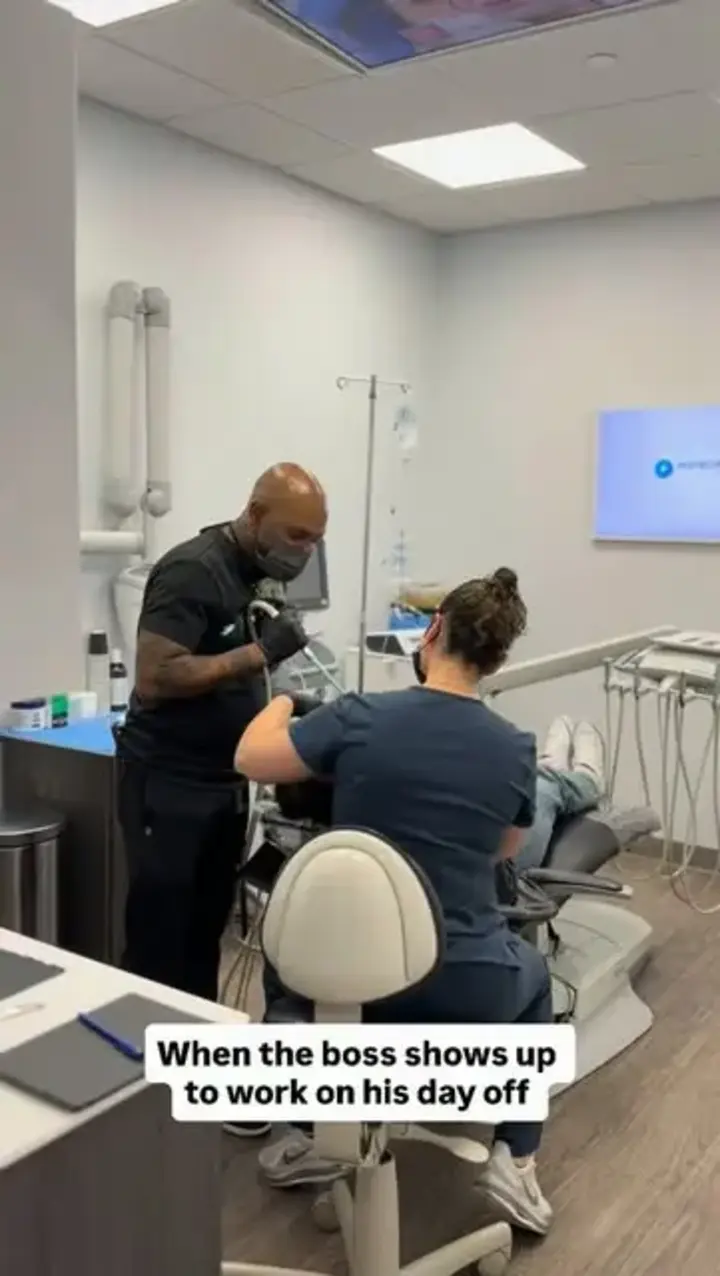

 #nycdentist #explorepage #metropolitandentalarts #williamsburgbrooklyn



 Book your appointment today and finish the year with a healthy, beautiful smile!

 Book an appointment with Dr. Heller with the link in our bio

